關於糧船灣
About High Island
糧船灣簡介
Introduction of Leung Shuen Wan (High Island)
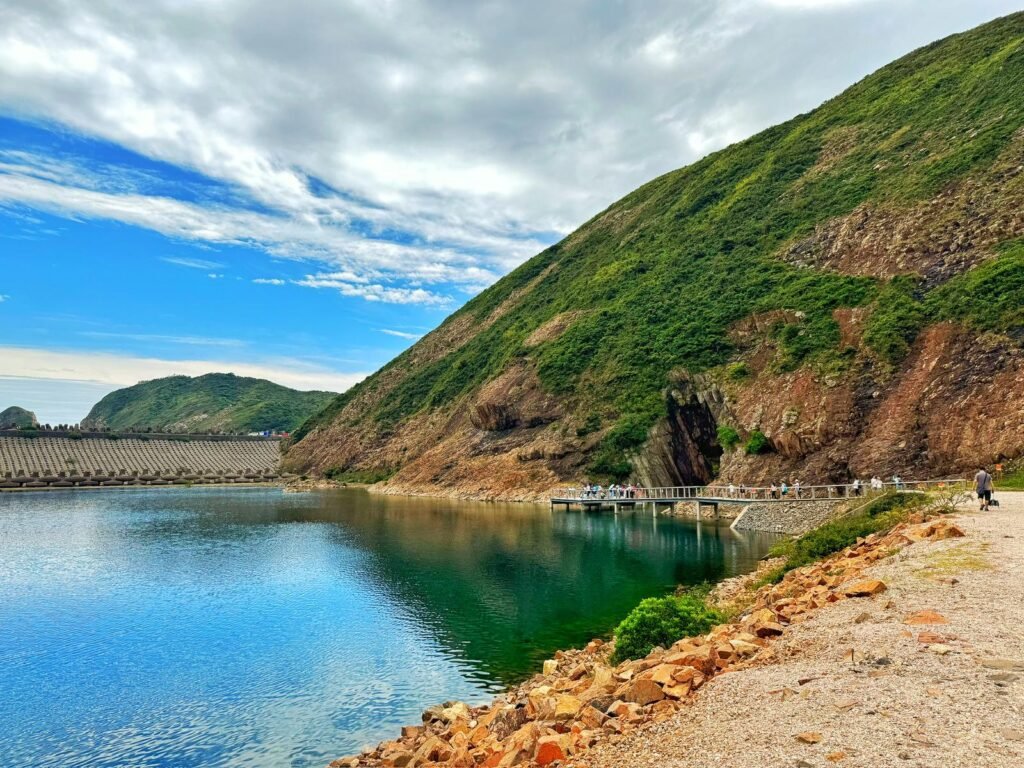
Leung Shuen Wan is a bay area located in the eastern part of Sai Kung, Hong Kong. Surrounded by hills on three sides and opening to the sea on the other, it has long served as a natural typhoon shelter. It is said that the bay earned its name because it was a harbor where merchant ships replenished their supplies of grain and water, with records of human habitation dating back to the Qing Dynasty. Residents historically made a living through fishing and farming, forming typical fishing and Hakka communities.
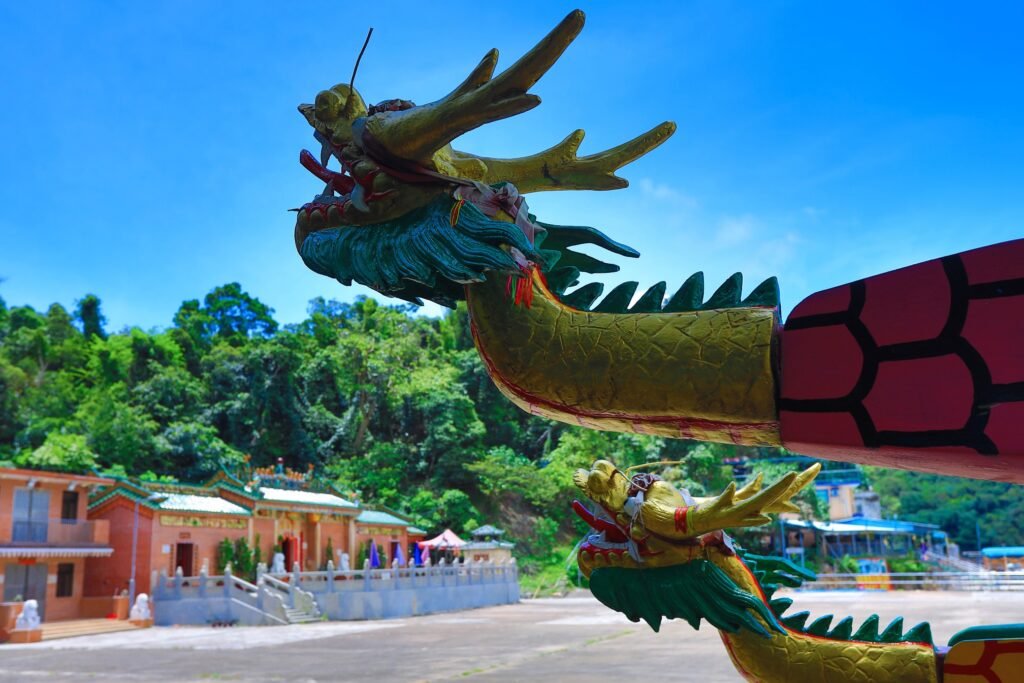
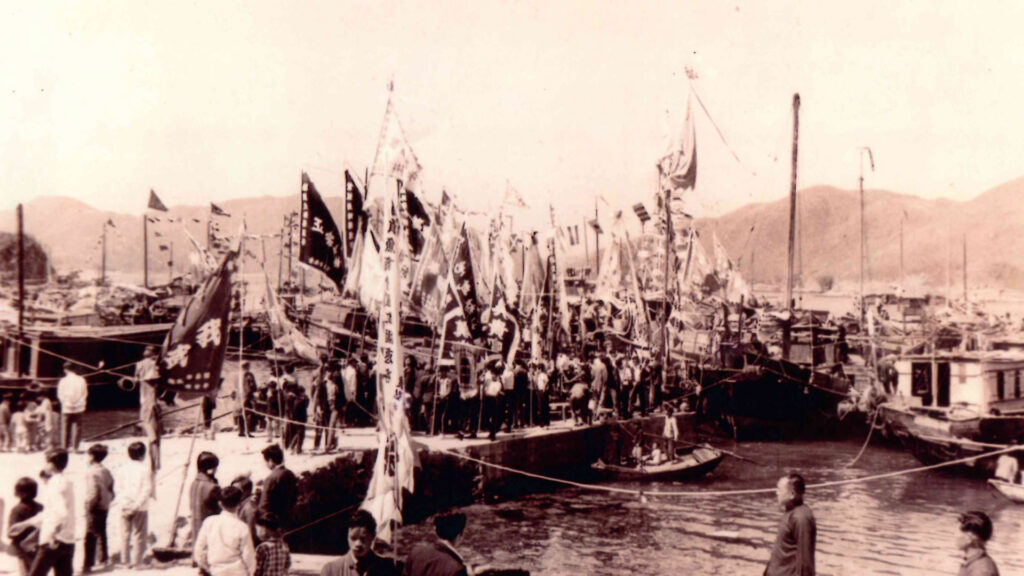
There are four villages on the island, comprising five communities in total: the boat dwellers community, the fishing community of Sha Kiu Village (also inhabited by boat dwellers), and three Hakka villages—Tung A, Pak A, and Pak Lap . In the past, fishermen would moor their fishing boats in the bay in front of the Tin Hau Temple , where there are now fish farms on rafts. The Tin Hau Temple serves as the spiritual center of the community, where villagers pray to Tin Hau (Goddess of the Sea) for safe voyages. To this day, villagers and worshippers still gather at the temple to offer prayers during the annual Tin Hau Festival. As times have changed, Leung Shuen Wan has evolved from a fishing village into a tourist and festival destination, yet it still retains its simple, traditional character.
糧船灣名字由來
The Origin of the Name "Leung Shuen Wan" (High Island)
糧船灣位於香港西貢東面的海灣地區,三面環山,一面向海,為天然避風港。據說因其作為商船補給糧水之港灣而得名,早於清代已有人居住。居民以捕魚及種植為生,形成典型的漁民及客家社群。島上共有四條鄉村,總共五個族群,分別為:水上人(漁民)族群、沙橋漁民村族群,以及東丫、北丫和白腊三條客家村。漁民昔日會把漁船停泊在天后廟前方的海灣中,現在是漁排。天后宮是村中的信仰中心,供奉天后以保佑出海平安。至今每逢天后誕,村民與信眾仍會前往祭祀。隨着時代轉變,糧船灣由漁村演變成旅遊和節慶景點,但仍保留古樸的傳統風貌。
Leung Shuen Wan is a bay area located in the eastern part of Sai Kung, Hong Kong. Surrounded by hills on three sides and opening to the sea on the other, it has long served as a natural typhoon shelter. It is said that the bay earned its name because it was a harbor where merchant ships replenished their supplies of grain and water, with records of human habitation dating back to the Qing Dynasty. Residents historically made a living through fishing and farming, forming typical fishing and Hakka communities.
There are four villages on the island, comprising five communities in total: the boat dwellers community, the fishing community of Sha Kiu Village (also inhabited by boat dwellers), and three Hakka villages—Tung A, Pak A, and Pak Lap . In the past, fishermen would moor their fishing boats in the bay in front of the Tin Hau Temple , where there are now fish farms on rafts. The Tin Hau Temple serves as the spiritual center of the community, where villagers pray to Tin Hau (Goddess of the Sea) for safe voyages. To this day, villagers and worshippers still gather at the temple to offer prayers during the annual Tin Hau Festival. As times have changed, Leung Shuen Wan has evolved from a fishing village into a tourist and festival destination, yet it still retains its simple, traditional character.
糧船灣歷史
Timeline History of
Leung Shuen Wan (High Island)
糧船灣信仰的傳承與故事
The Story of Worship in Leung Shuen Wan
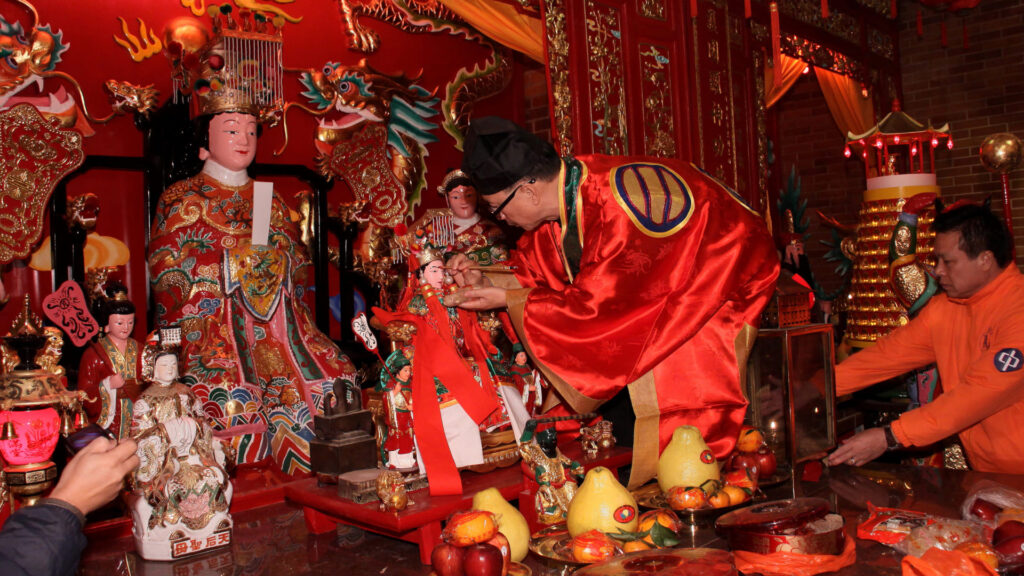
The worship of Tin Hau (Goddess of the Sea) originated in Putian, Fujian, and spread along the coast of Guangdong, as well as to Taiwan and Macau, with the development of maritime trade . Tin Hau, also known as Matsu, was originally named Lin Mo Niang. Residents of Leung Shuen Wan respectfully call her “Ma Neong” (pronounced in Cantonese) or “Ah Ma” (pronounced in Cantonese). Legend has it that Tin Hau was well-versed in astronomy, geography, medicine, and weather patterns, and could foresee disasters and resolve perils.
The fishermen of Leung Shuen Wan are devout followers of Tin Hau. Before setting out to sea, they always pray to Tin Hau for calm seas and a safe return. As the winds and waves at sea are unpredictable, this faith and reliance became an integral part of their lives.
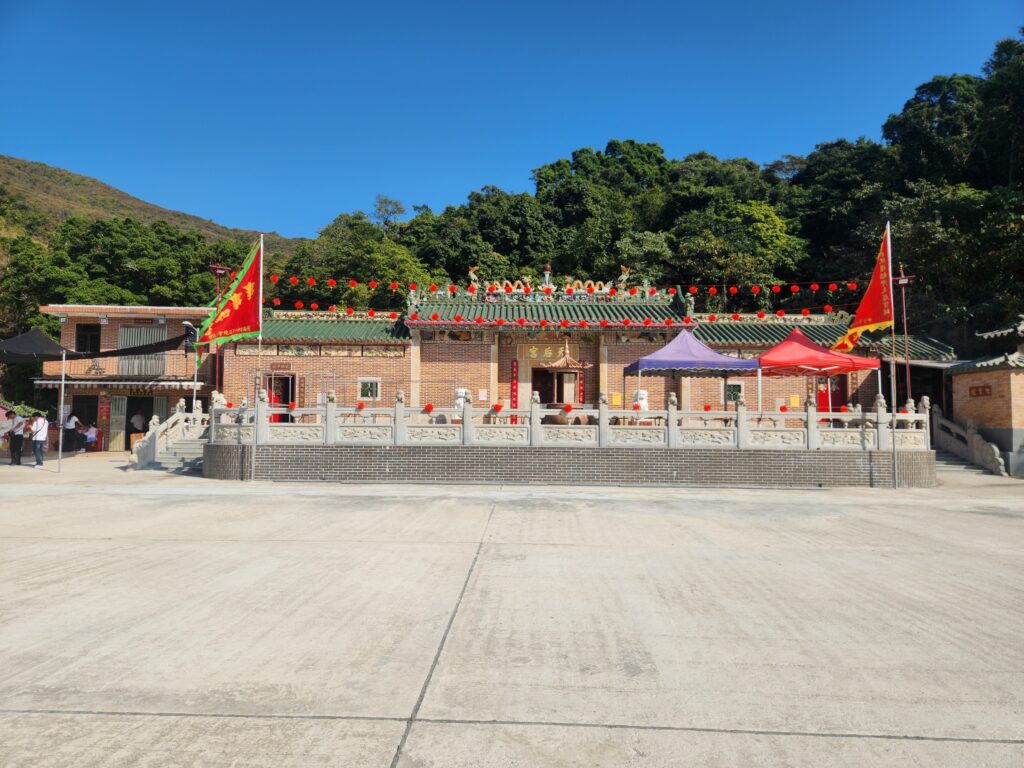
Although there are no precise records of when the Leung Shuen Wan Tin Hau Temple was first built, it is believed to be over 400 years old, with some suggesting its history may date back 500 years. The oldest existing artefact in the temple is an ancient bell in the sixth year of the Qianlong reign (1741 AD) of the Qing Dynasty. Having undergone numerous renovations, the temple continues to attract worshippers to this day.
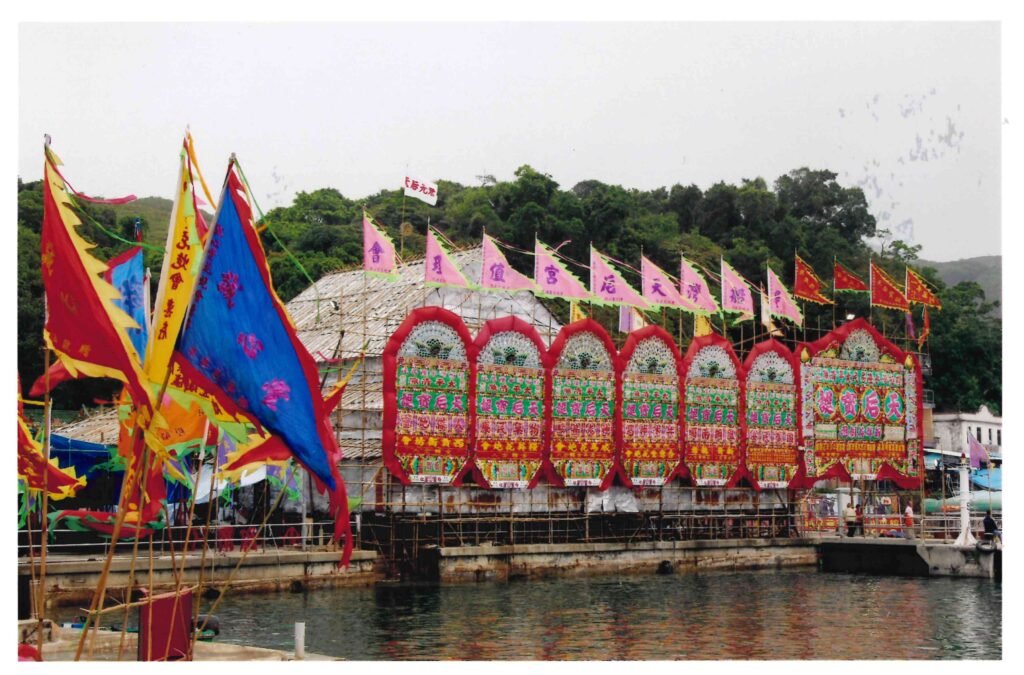
Every year on the 23rd day of the third lunar month, the Tin Hau Festival is celebrated here with grand festivities. The celebration of Tin Hau Festival on High Island is divided into two scales: a “big festival” in even-numbered years and a “small festival” in odd-numbered years. A small festival will only perform Taoist rituals at the 22nd night of the third lunar month, with “nahm mouh” master chanting sutras and burning the King of Ghosts; the celebration on the 23rd day of the third lunar month encompasses dragon dances, lion dances, Hakka unicorn dances, and a Fa Pao Ballot. The arrangements for the big festival and the small festival are similar, but the big festival is grander and includes Tai Ping Ching Chiu (Purification Ritual), a Tin Hau Sea Parade, and Cantonese opera performances, sustaining over a century of faith and community cohesion.
糧船灣天主教信仰
Catholic Faith in Leung Shuen Wan