關於糧船灣
About High Island

0k6a9728 2
糧船灣天后誕2014年 b165

糧船灣簡介
Introduction of Leung Shuen Wan (High Island)

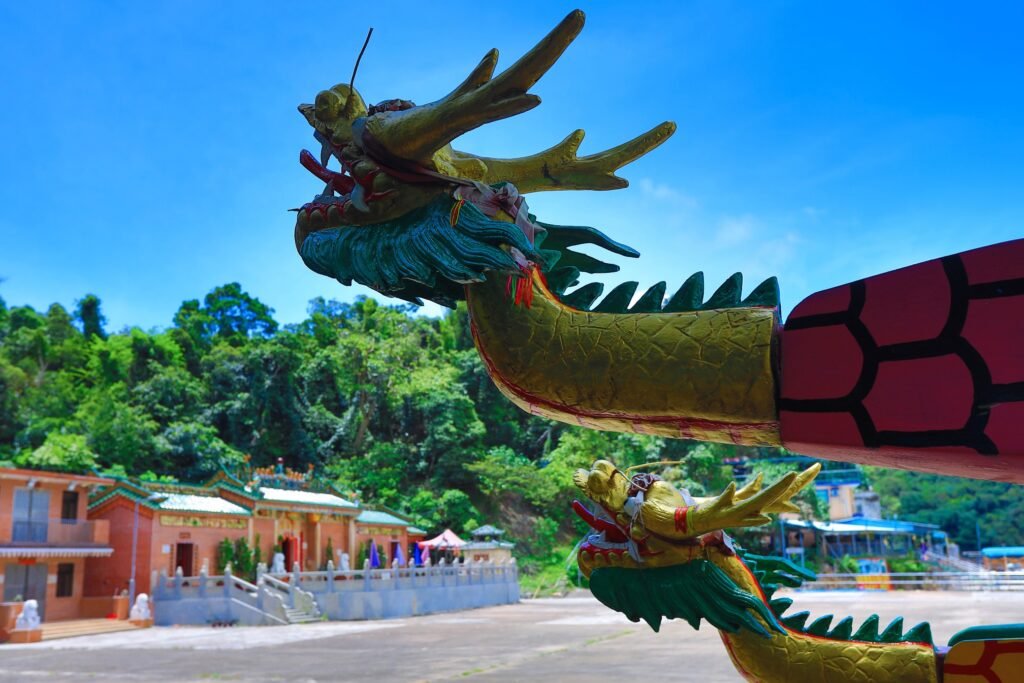
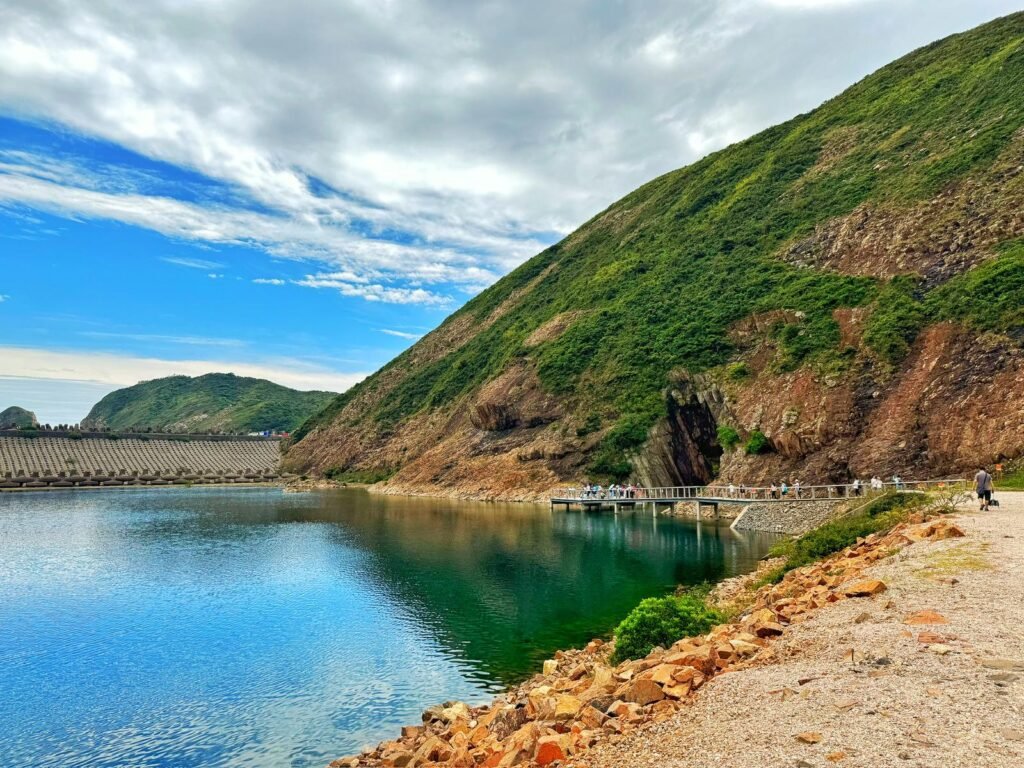
糧船灣位於香港西貢東面的海灣地區,三面環山,一面向海,為天然避風港。據說因其作為商船補給糧水之港灣而得名,早於清代已有人居住。居民以捕魚及種植為生,形成典型的漁民及客家社群。島上共有四條鄉村,總共五個族群,分別為:水上人(漁民)族群、沙橋漁民村族群,以及東丫、北丫和白腊三條客家村。漁民昔日會把漁船停泊在天后廟前方的海灣中,現在是漁排。天后宮是村中的信仰中心,供奉天后以保佑出海平安。至今每逢天后誕,村民與信眾仍會前往祭祀。隨着時代轉變,糧船灣由漁村演變成旅遊和節慶景點,但仍保留古樸的傳統風貌。
Leung Shuen Wan is a bay area located in the eastern part of Sai Kung, Hong Kong. Surrounded by hills on three sides and opening to the sea on the other, it has long served as a natural typhoon shelter. It is said that the bay earned its name because it was a harbor where merchant ships replenished their supplies of grain and water, with records of human habitation dating back to the Qing Dynasty. Residents historically made a living through fishing and farming, forming typical fishing and Hakka communities.
There are four villages on the island, comprising five communities in total: the boat dwellers community, the fishing community of Sha Kiu Village (also inhabited by boat dwellers), and three Hakka villages—Tung A, Pak A, and Pak Lap . In the past, fishermen would moor their fishing boats in the bay in front of the Tin Hau Temple , where there are now fish farms on rafts. The Tin Hau Temple serves as the spiritual center of the community, where villagers pray to Tin Hau (Goddess of the Sea) for safe voyages. To this day, villagers and worshippers still gather at the temple to offer prayers during the annual Tin Hau Festival. As times have changed, Leung Shuen Wan has evolved from a fishing village into a tourist and festival destination, yet it still retains its simple, traditional character.
糧船灣名字由來
The Origin of the Name "Leung Shuen Wan" (High Island)

糧船灣位於香港西貢東面的海灣地區,三面環山,一面向海,為天然避風港。據說因其作為商船補給糧水之港灣而得名,早於清代已有人居住。居民以捕魚及種植為生,形成典型的漁民及客家社群。島上共有四條鄉村,總共五個族群,分別為:水上人(漁民)族群、沙橋漁民村族群,以及東丫、北丫和白腊三條客家村。漁民昔日會把漁船停泊在天后廟前方的海灣中,現在是漁排。天后宮是村中的信仰中心,供奉天后以保佑出海平安。至今每逢天后誕,村民與信眾仍會前往祭祀。隨着時代轉變,糧船灣由漁村演變成旅遊和節慶景點,但仍保留古樸的傳統風貌。

Leung Shuen Wan is a bay area located in the eastern part of Sai Kung, Hong Kong. Surrounded by hills on three sides and opening to the sea on the other, it has long served as a natural typhoon shelter. It is said that the bay earned its name because it was a harbor where merchant ships replenished their supplies of grain and water, with records of human habitation dating back to the Qing Dynasty. Residents historically made a living through fishing and farming, forming typical fishing and Hakka communities.

There are four villages on the island, comprising five communities in total: the boat dwellers community, the fishing community of Sha Kiu Village (also inhabited by boat dwellers), and three Hakka villages—Tung A, Pak A, and Pak Lap . In the past, fishermen would moor their fishing boats in the bay in front of the Tin Hau Temple , where there are now fish farms on rafts. The Tin Hau Temple serves as the spiritual center of the community, where villagers pray to Tin Hau (Goddess of the Sea) for safe voyages. To this day, villagers and worshippers still gather at the temple to offer prayers during the annual Tin Hau Festival. As times have changed, Leung Shuen Wan has evolved from a fishing village into a tourist and festival destination, yet it still retains its simple, traditional character.

whatsapp image 2026 03 12 at 13.05.55
1970 糧船灣天后宮重修 013

糧船灣歷史
Timeline History of
Leung Shuen Wan (High Island)
前清時期
Before Qing Dynasty

糧船灣位於香港西貢東面海域,地勢三面環山,一面向海,是天然避風港。在明朝《粵大記》中,糧船灣被稱為龍船灣。此地早期為漁民及水上人停泊休憩的港灣。
Leung Shuen Wan is located in the eastern waters of Sai Kung, Hong Kong. Geographically, it is surrounded by hills on three sides and opens to the sea on the other, making it a natural typhoon shelter. In the Ming Dynasty chronicle “Yuet Daai Gei” (Cantonese Chronicle), Leung Shuen Wan was recorded as “Lung Shuen Wan” (Dragon Boat Bay). In its early days, the area served as a haven for fishermen and boat dwellers to moor their vessels and rest.

前清時期
Before Qing Dynasty
清朝時期
Qing Dynasty

清代該處設有龍船灣汛。有紀錄顯示已有居民於此定居,以捕魚及農耕為主。村落逐漸形成,已修建天后宮,以祈求出海平安。
During the Qing Dynasty, a coastal defense post called “Lung Shuen Wan” was established there .
Records indicate that residents had already settled in this area, primarily making a living through fishing and farming. Villages gradually formed, and the Tin Hau Temple was built, where people prayed for safe voyages .

清朝時期
Qing Dynasty
19世紀晚期至20世紀初
Late 19th – Early 20th Century

圖片1
圖片3


糧船灣漸漸成為西貢東部重要族群之一。居民多以漁民出海捕魚,並以漁產交易維生;客家人多以耕種維生。當地學童初於「糧船灣天后宮」接受教育,學生安排在每年農曆九至十一月上學。天后誕為村社最重要節慶活動。
香港在1941年底淪陷後,港九大隊決定把護航小隊擴大為海上小隊,開展海上游擊戰。以糧船灣為海上基地,天后廟作為據點。游擊隊員稱糧船灣為「軍港」,因該處是海上武裝船隊的港口。

Leung Shuen Wan gradually became one of the key communities in eastern Sai Kung. The fishermen among its residents made a living by going out to sea to catch fish and trading their catch, while the Hakka people primarily sustained themselves through farming. Local children initially received education at the Leung Shuen Wan Tin Hau Temple, with students attending school annually from the ninth to the eleventh month of the lunar calendar. The Tin Hau Festival is the most significant celebratory event for the village community.

19世紀晚期至20世紀初
Late 19th – Early 20th Century
1950–1970年代
1950s–1970s

圖片2 螢幕擷取畫面 (41) 螢幕擷取畫面 (42)
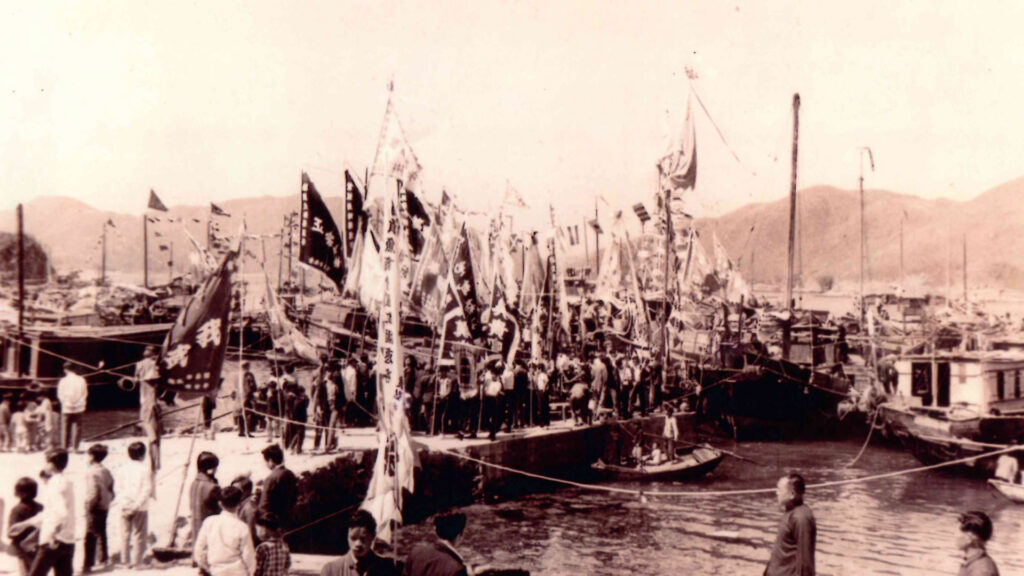
有居民開始移居歐洲及其他海外地區謀生,然而仍有逾千水上人在此聚居,從事漁業活動。當地學童於1947 年成立的「糧船灣公立學校」接受小學教育,但小童亦需協助家人「開頭」(出海捕魚),有時要缺席上課。昔日居民多以漁船聚居。自1970年代起,漁排的數量顯著增加,當時的密集程度甚至達到可以從一個漁排直接跳到另一個漁排的程度。每逢天后誕前,漁民們都會回到糧船灣,然後「洗艇」,暫停數天的生計,全程投入天后誕。糧船灣設有士多及餐廳,商業活動頻繁,熱鬧非常。曾有四家雜貨店,其功能就如現時的超級市場,為經過的貨船及漁船供應日常所需。其中的「廣和源」招牌展示「廣和源油糖米布疋雜貨油柴白鹽薯莨罟線山貨發客」,相信是全港字數最多的招牌。
Since the 1970s, the number of fish farms on rafts has increased significantly—at one point, they were so densely packed that people could jump directly from one fish raft to another. Every year before the Tin Hau Festival, fishermen return to Leung Shuen Wan to perform the “boat cleaning” ritual. They pause their livelihoods for several days to fully dedicate themselves to the Tin Hau Festival celebrations. The island is home to provision shops and restaurants, bustling with commercial activity and a lively atmosphere. There were four grocery stores over the years. They sold everyday supplies to passing cargo ships and fishing boats.

1950–1970年代
1950s–1970s
當代
Present Day

dji 0841 (1)
糧船灣天后誕2014年 b165
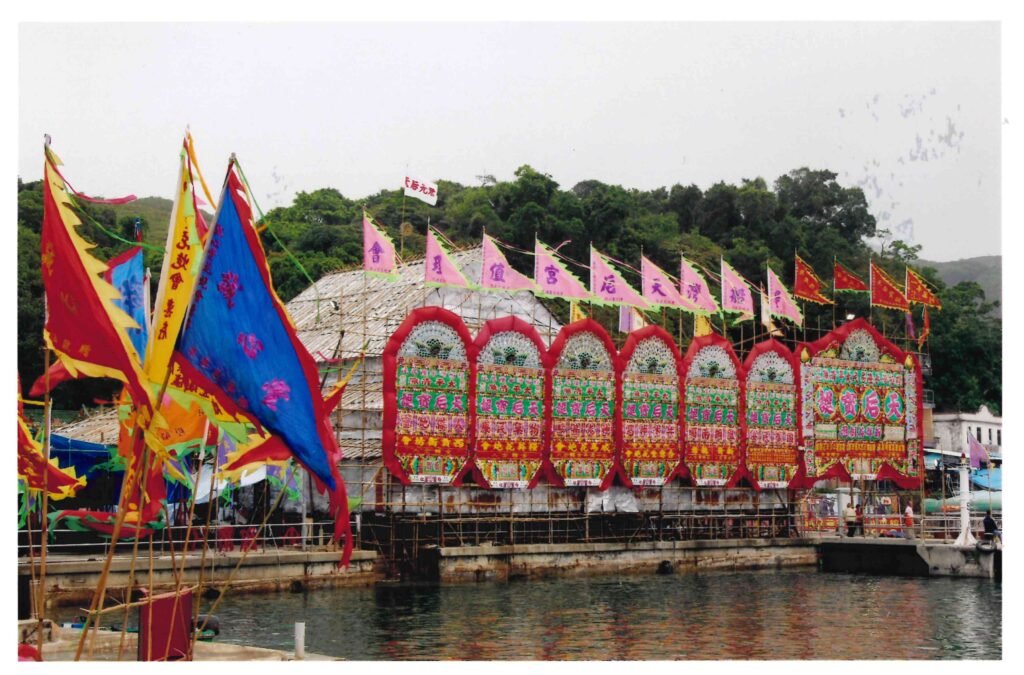
香港社會經濟轉型,漁業日漸式微。居民遷移至市區就業,導致鄉村人口流失與老化。然而,每逢天后誕,他們仍會返回舉行建醮酬神慶典。糧船灣現為旅遊及節慶地點,保留古老的天后宮及村屋漁排。每年天后誕仍吸引成千上萬信眾與遊客前往參與,是香港沿海漁村文化的重要象徵之一。
Leung Shuen Wan is now a tourist and festival destination, preserving the ancient Tin Hau Temple, village houses, and fish farms on rafts. The annual Tin Hau Festival still attracts tens of thousands of worshippers and visitors to participate, making it one of the important symbols of Hong Kong’s coastal fishing village culture.

當代
Present Day
20260125 144143
020113 0287

糧船灣信仰的傳承與故事
The Story of Worship in Leung Shuen Wan

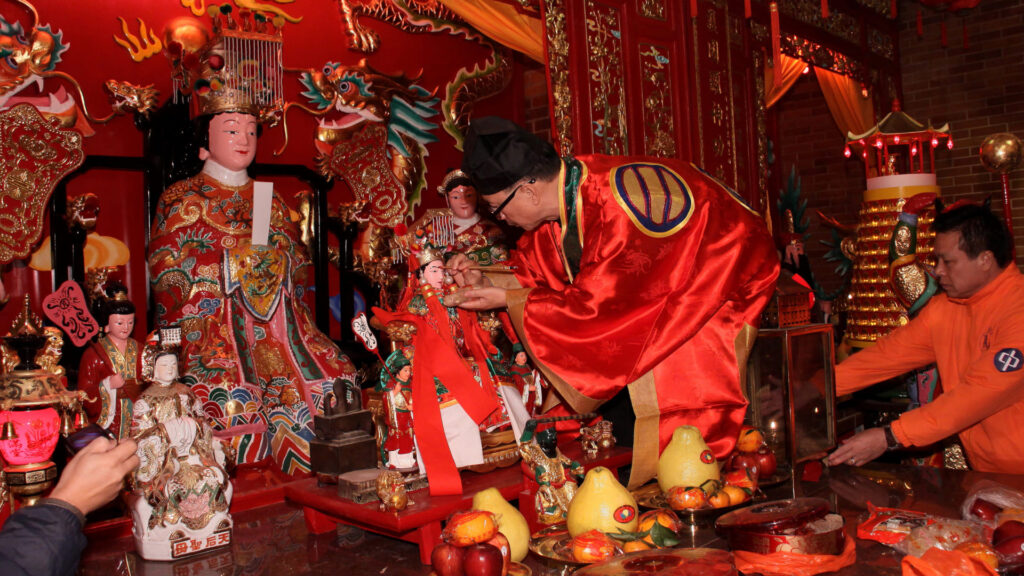
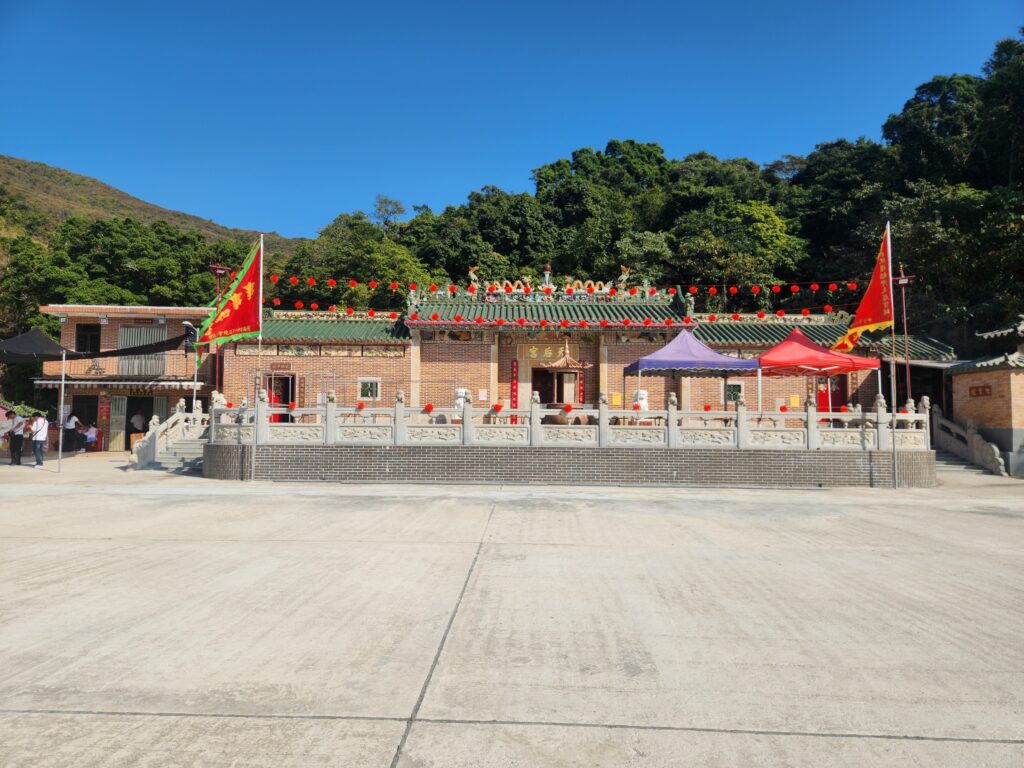
天后信仰起源於福建莆田,隨着航海貿易的發展傳入廣東沿海、臺灣與澳門等地。天后,又稱媽祖,原名林默娘,糧船灣居民尊稱祂作「媽(粵音:馬)娘」、「阿媽(粵音:馬)」。傳說天后通曉天文地理、醫學與天氣,能洞察災禍,化解危難。糧船灣的漁民亦是虔誠的天后信徒,他們在出海捕魚前,必會向天后娘娘祈求風調雨順、平安歸來。因為海上風浪無常,這份信仰與依靠成為他們生命的一部分。糧船灣天后宮興建年份雖無確切記載,但據信已有逾四百年歷史,甚至有說法認為其歷史可追溯至五百年前。廟內現存最古老的文物為鑄造於乾隆六年(西元1741年)的銅鐘。歷經多次修繕,至今香火不絕。每年農曆三月二十三日天后誕,居民在此期間舉行盛大的慶典。糧船灣的天后誕醮會分為大屆(雙數年)和小屆(單數年)。小屆只會在農曆三月廿二晚上進行道教法事,由喃嘸師傅誦經和化掉大士王(即鬼王); 三月廿三白天的賀誕活動則包括舞龍、舞獅、舞麒麟和抽花炮。大屆的安排和小屆相似,但更具規模,居民會舉行太平清醮、天后海上出巡與神功戲,延續過百年信仰與社群凝聚的力量。

The worship of Tin Hau (Goddess of the Sea) originated in Putian, Fujian, and spread along the coast of Guangdong, as well as to Taiwan and Macau, with the development of maritime trade . Tin Hau, also known as Matsu, was originally named Lin Mo Niang. Residents of Leung Shuen Wan respectfully call her “Ma Neong” (pronounced in Cantonese) or “Ah Ma” (pronounced in Cantonese). Legend has it that Tin Hau was well-versed in astronomy, geography, medicine, and weather patterns, and could foresee disasters and resolve perils.
The fishermen of Leung Shuen Wan are devout followers of Tin Hau. Before setting out to sea, they always pray to Tin Hau for calm seas and a safe return. As the winds and waves at sea are unpredictable, this faith and reliance became an integral part of their lives.
Although there are no precise records of when the Leung Shuen Wan Tin Hau Temple was first built, it is believed to be over 400 years old, with some suggesting its history may date back 500 years. The oldest existing artefact in the temple is an ancient bell in the sixth year of the Qianlong reign (1741 AD) of the Qing Dynasty. Having undergone numerous renovations, the temple continues to attract worshippers to this day.
Every year on the 23rd day of the third lunar month, the Tin Hau Festival is celebrated here with grand festivities. The celebration of Tin Hau Festival on High Island is divided into two scales: a “big festival” in even-numbered years and a “small festival” in odd-numbered years. A small festival will only perform Taoist rituals at the 22nd night of the third lunar month, with “nahm mouh” master chanting sutras and burning the King of Ghosts; the celebration on the 23rd day of the third lunar month encompasses dragon dances, lion dances, Hakka unicorn dances, and a Fa Pao Ballot. The arrangements for the big festival and the small festival are similar, but the big festival is grander and includes Tai Ping Ching Chiu (Purification Ritual), a Tin Hau Sea Parade, and Cantonese opera performances, sustaining over a century of faith and community cohesion.

糧船灣天主教信仰
Catholic Faith in Leung Shuen Wan
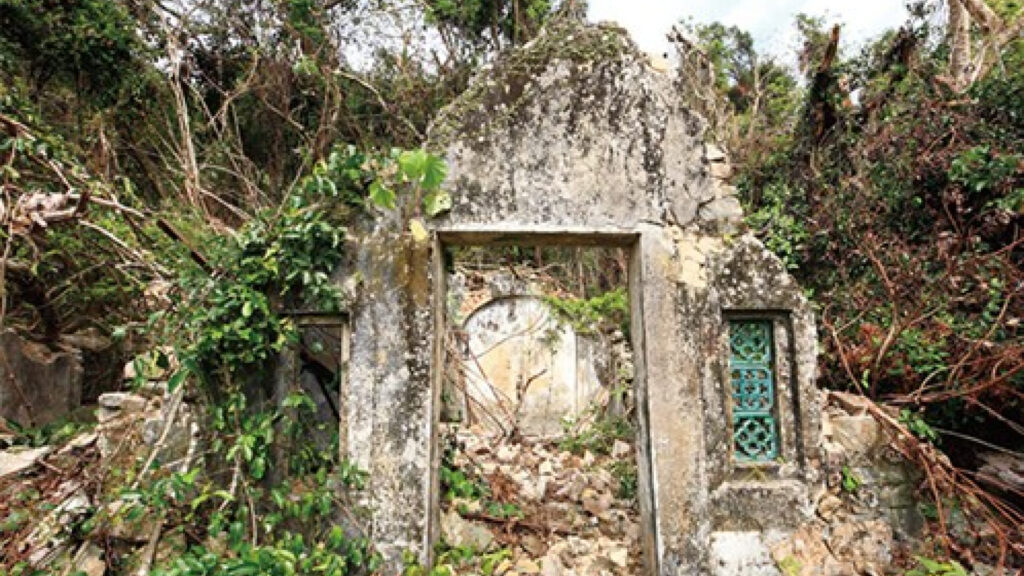
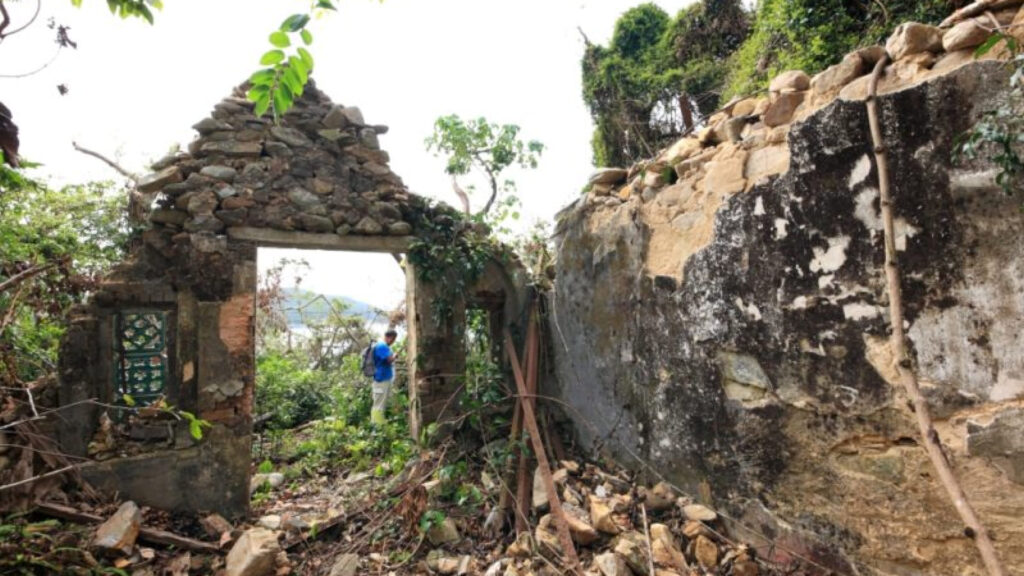
糧船灣的天主教信仰始於二十世紀初。1910年,傳教士在遠離傳統天后宮的北丫村建立了龍船灣天主堂。教堂選址於北丫,不僅因為該村人口較多,也希望能服務當地的客家人,神父更需學習客家話以便傳教。 然而,由於糧船灣居民崇拜天后,傳統信仰根深蒂固,天主教在此地的傳播並未大規模取代原有信仰。直至1930年代,全村僅有數戶家庭(約五至六戶,十餘人)領洗。儘管教友人數不多,小堂仍扮演著重要角色。除了宗教功能,它也曾兼作村中學堂,讓村童有機會讀書識字。戰後至1950、60年代,范賚亮神父等傳教士會定期乘船到訪,主持彌撒並與村民分享物資(如自製麵包),成為村民的集體回憶。 隨著1960年代起村民陸續遷往市區或海外,北丫村逐漸荒廢,龍船灣天主堂亦於1970年代末停用。時至今日,小堂建築已破爛不堪,屋頂倒塌,但從殘留的拱柱和琉璃瓦花窗中,仍可窺見其當年中西合璧的建築風格,見證著這段短暫而獨特的宗教交流歷史。 The Catholic presence in Leung Shuen Wan dates back to the early 20th century. In 1910, missionaries established the Lung Shuen Wan Chapel in Pak A Village, which was consecrated by Bishop Dominic S. G. The site was chosen not only because Pak A was one of the larger settlements but also to serve the local Hakka community, with priests learning the Hakka dialect to facilitate their mission. However, the deeply rooted worship of Tin Hau among Leung Shuen Wan residents meant that Catholicism did not extensively replace the traditional faith. By the 1930s, only a few households (approximately five to six families, around a dozen individuals) in the village had been baptized. Despite the small number of faithful, the chapel played a vital role. Besides its religious functions, it also served as a village school, providing local children with an opportunity to learn to read and write. In the post-war period and throughout the 1950s and 60s, missionaries like Fr. Valeriano Fraccaro PIME would regularly sail to the village to say Mass and share provisions (such as homemade bread) with the residents, creating lasting collective memories for the community. As villagers began to migrate to urban areas and overseas from the 1960s onwards, Pak A Village was gradually abandoned, and the Lung Shuen Wan Chapel fell into disuse by the late 1970s. Today, the chapel structure is dilapidated and has collapsed. However, remnants such as arched pillars and glazed tile windows still offer a glimpse of its once unique, Chinese-Western architectural style, bearing witness to this brief yet distinctive chapter of religious exchange.
圖片15
img 2551 800x534