糧船灣天后誕
Leung Shuen Wan (High Island) Tin Hau Festival

糧船灣天后誕
Leung Shuen Wan (High Island) Tin Hau Festival

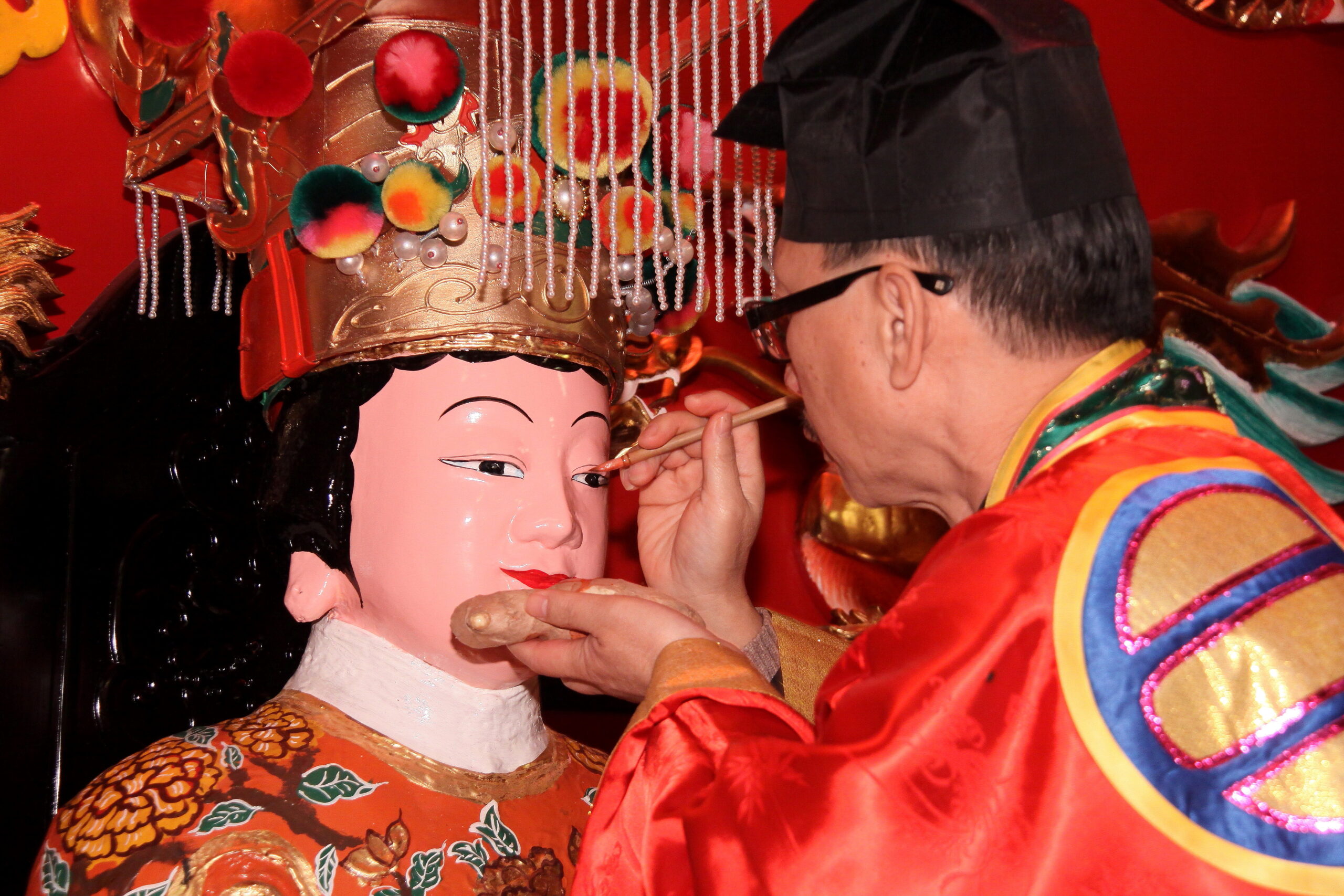
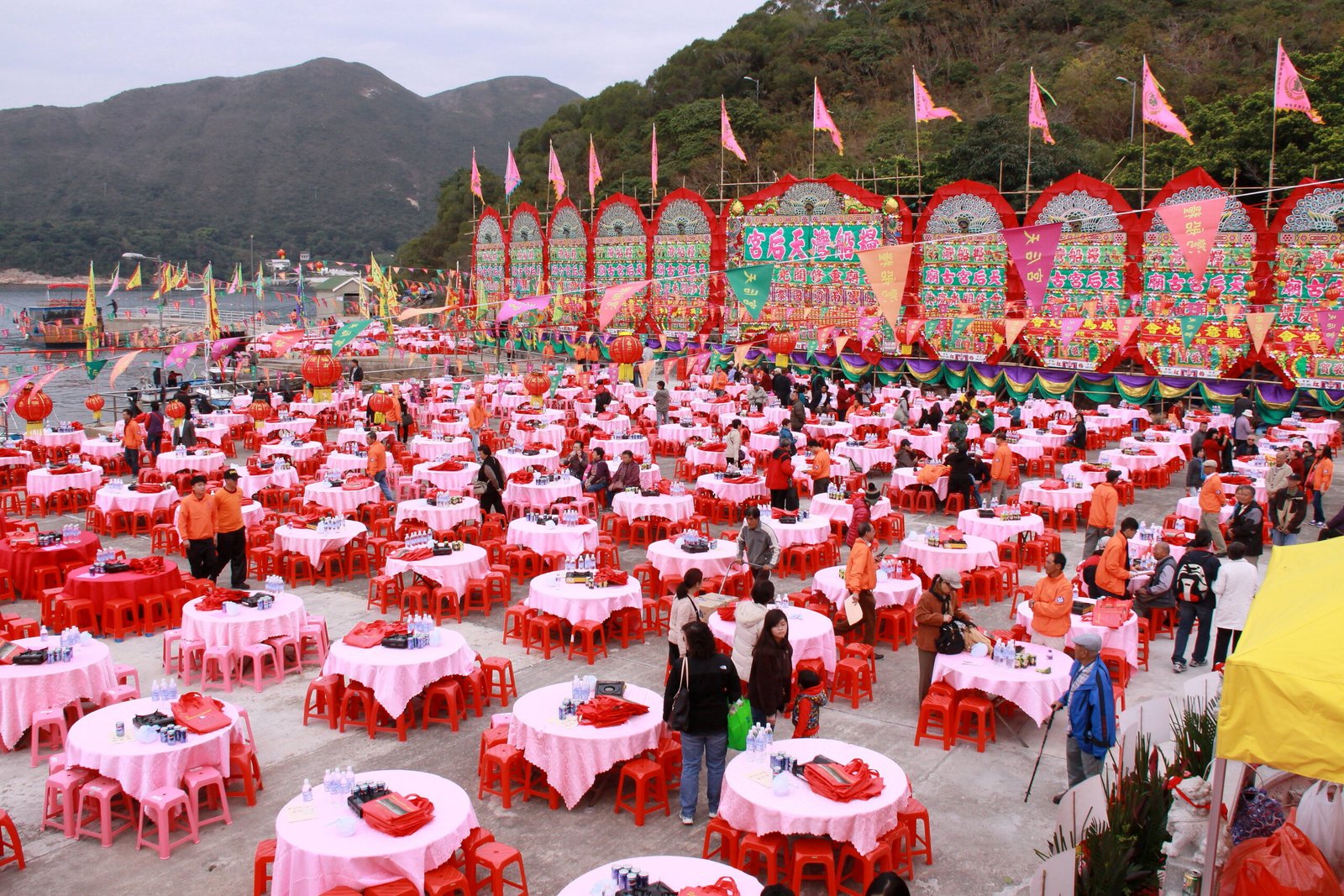
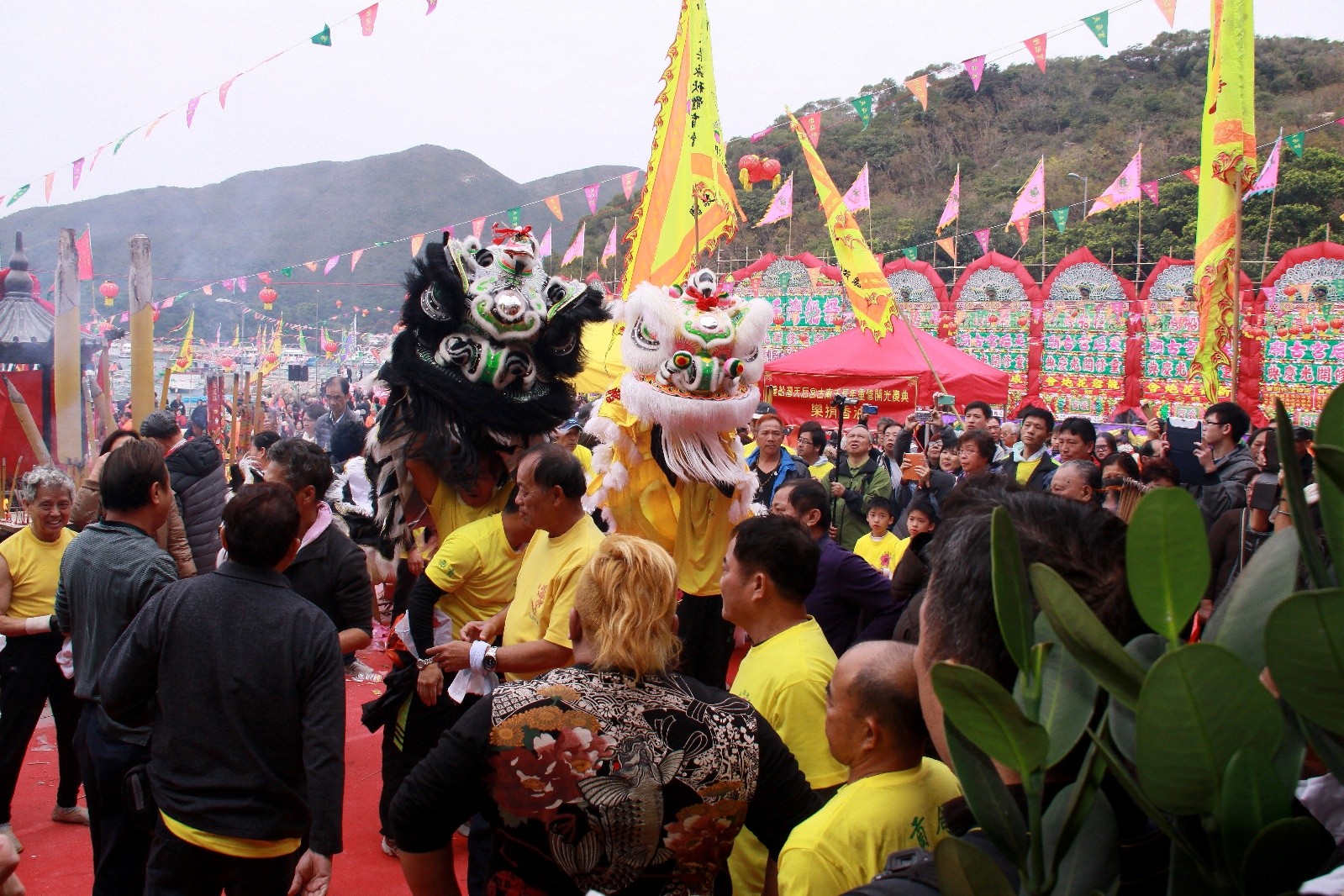
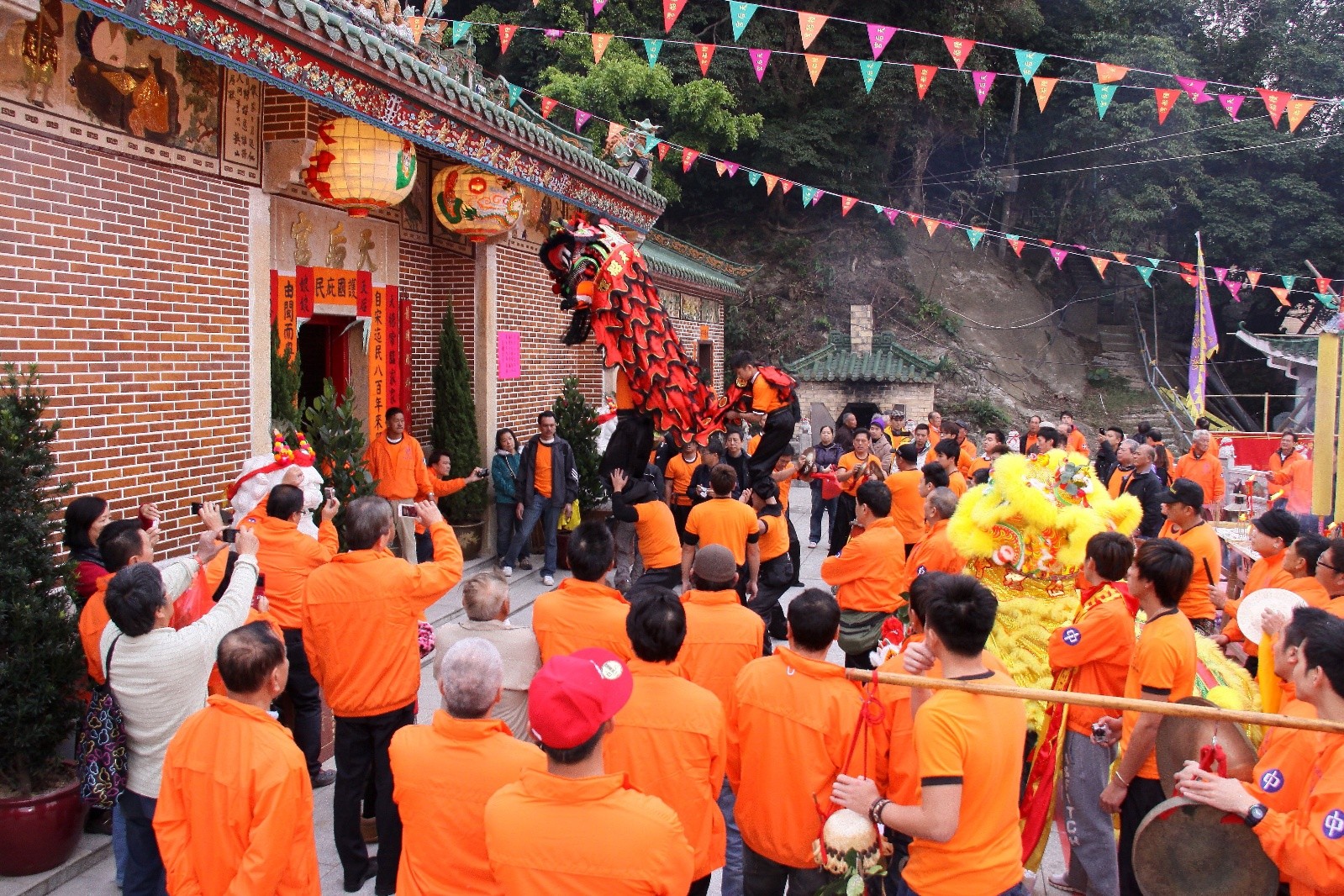
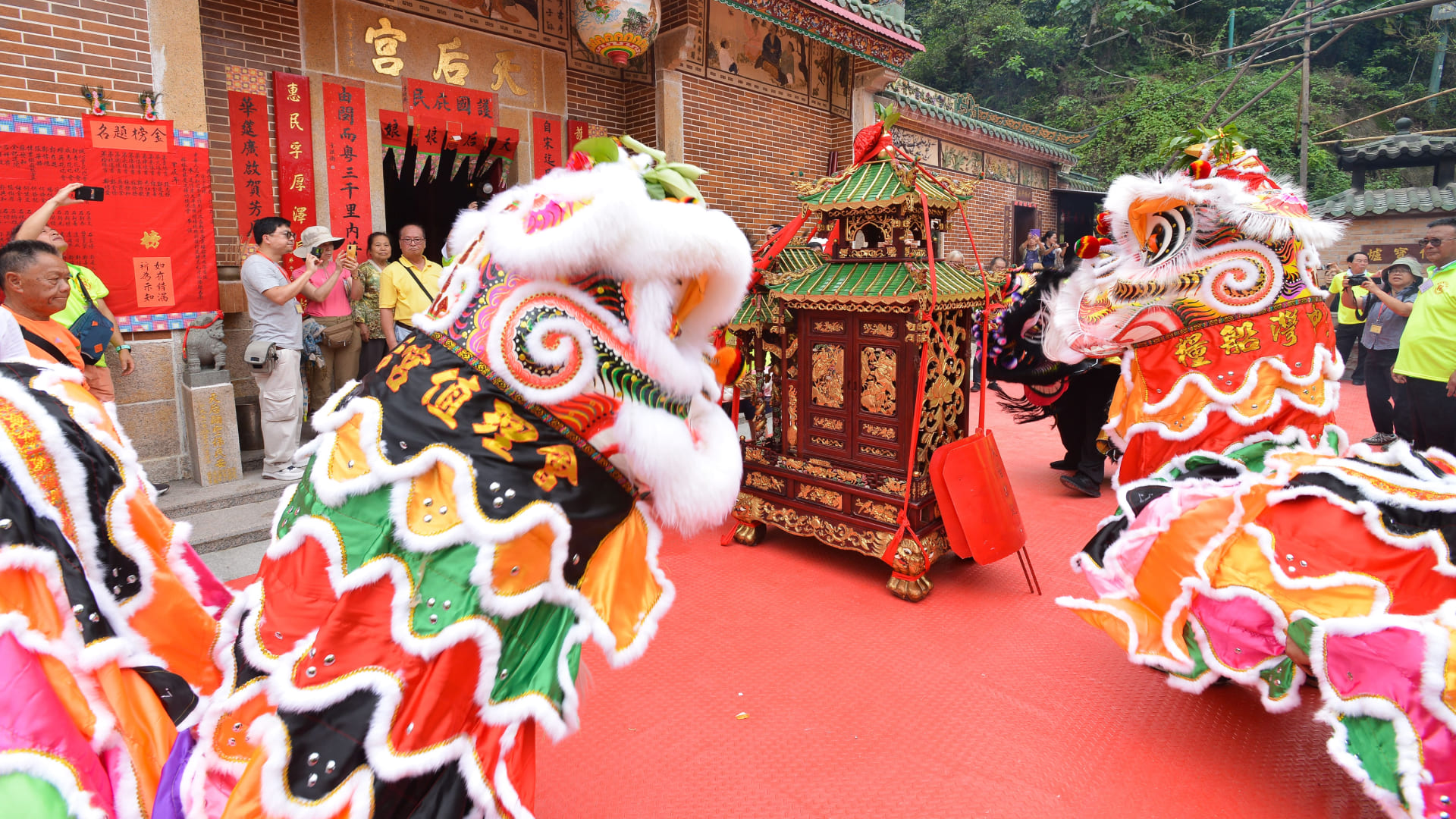
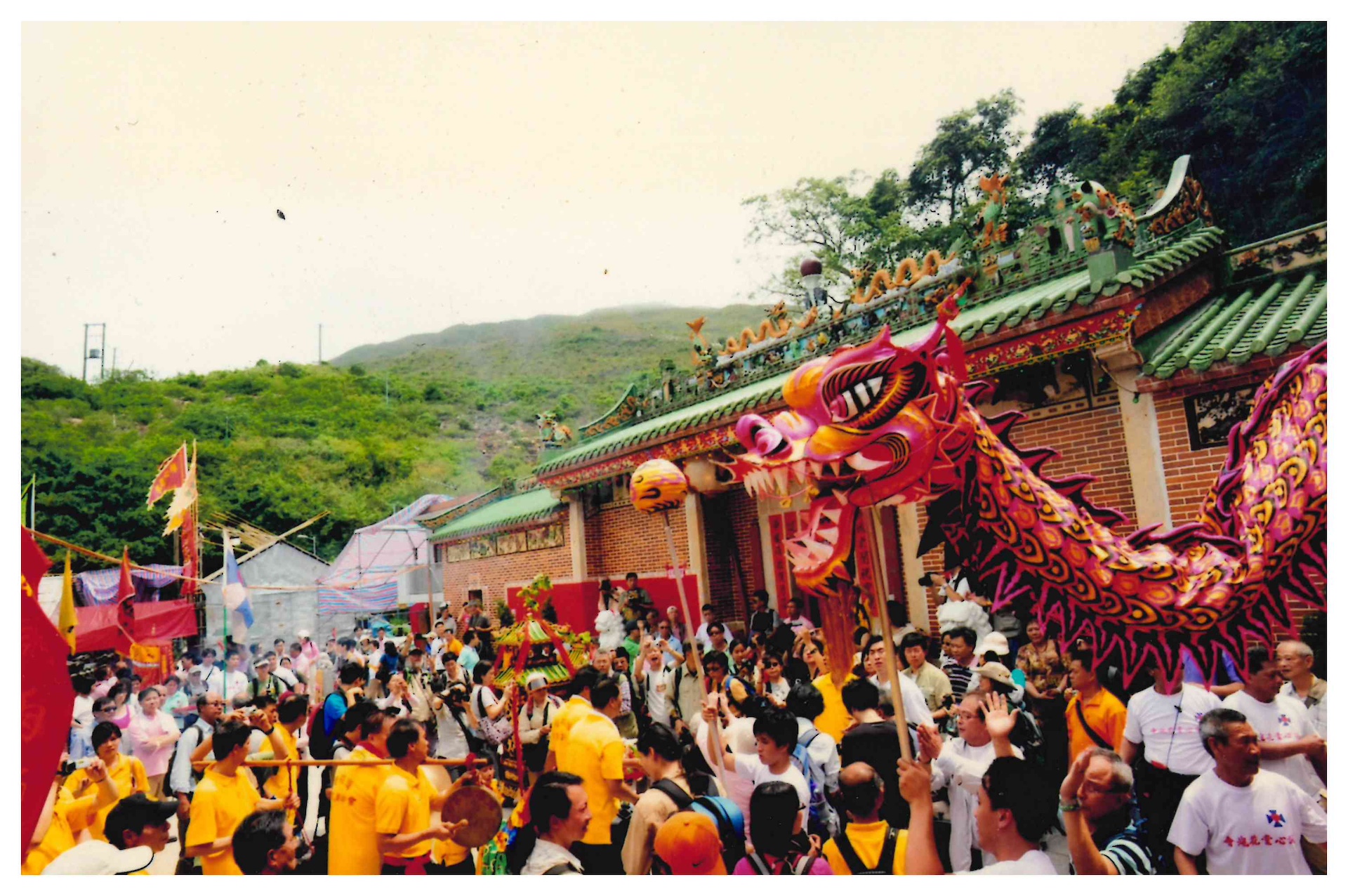
天后誕是糧船灣年度盛事,對「糧船灣人」而言,其重要性超越農曆新年及個人生日,備受期待與重視。正誕於農曆三月二十三日舉行,祈求水陸平安及酬謝神恩。有「小屆」及「大屆」之分。節日前夕,村民會潔淨神像、布置廟宇及搭建戲棚。正誕則進行舞獅、舞麒麟、神功戲、抽花炮會等慶祝活動,信眾帶備供品上香敬拜。整個節慶維持數日,氣氛熱鬧,吸引不少遊人前來觀賞並參與祭祀。

The Tin Hau Festival is an annual grand occasion in Leung Shuen Wan. For the “Leung Shuen Wan People,” its significance surpasses that of the Lunar New Year and individual birthdays, making it a highly anticipated and cherished event. The main festival falls on the 23rd day of the third lunar month, serving as an occasion to pray for safety on land and sea and to give thanks to the goddess for her blessings. The celebration is distinguished between a “Small Festival” and a “Big Festival.” On the eve of the festival, villagers clean the deity statues, decorate the temple, and erect a bamboo shed for Chinese opera performances. On the main festival day itself, celebratory activities such as lion dances, Hakka unicorn dances, ritual Cantonese opera performances, and a fa-pao drawing (lottery for festive prizes) take place, with devotees bringing offerings to burn incense and pay homage. The entire celebration lasts for several days, creating a lively atmosphere that attracts many visitors who come to watch and participate in the rituals.
20240430b 006

國家級非物質文化遺產
National Intangible Cultural Heritage


每年農曆三月二十三日,香港各個沿海漁村都會熱鬧地慶祝天后誕。香港天后誕乃香港非物質文化遺產代表作名錄項目,亦為國家級非物質文化遺產代表性項目名錄之一。糧船灣天后誕分為「小屆」與「大屆」。大屆的特色在於其較長的慶典時間,內容包括神功戲、太平清醮以及天后海上出巡(媽娘出遊)。大屆於雙數年份舉行,日期為農曆三月十九至三月二十四日(為期六日五夜),規模較為盛大。小屆則於單數年份舉行,日期為農曆三月二十二至二十三日,規模相對較小。值得注意的是,糧船灣天后誕的日期與西貢區內其他地區(坑口、西貢市)的天后誕有所不同。

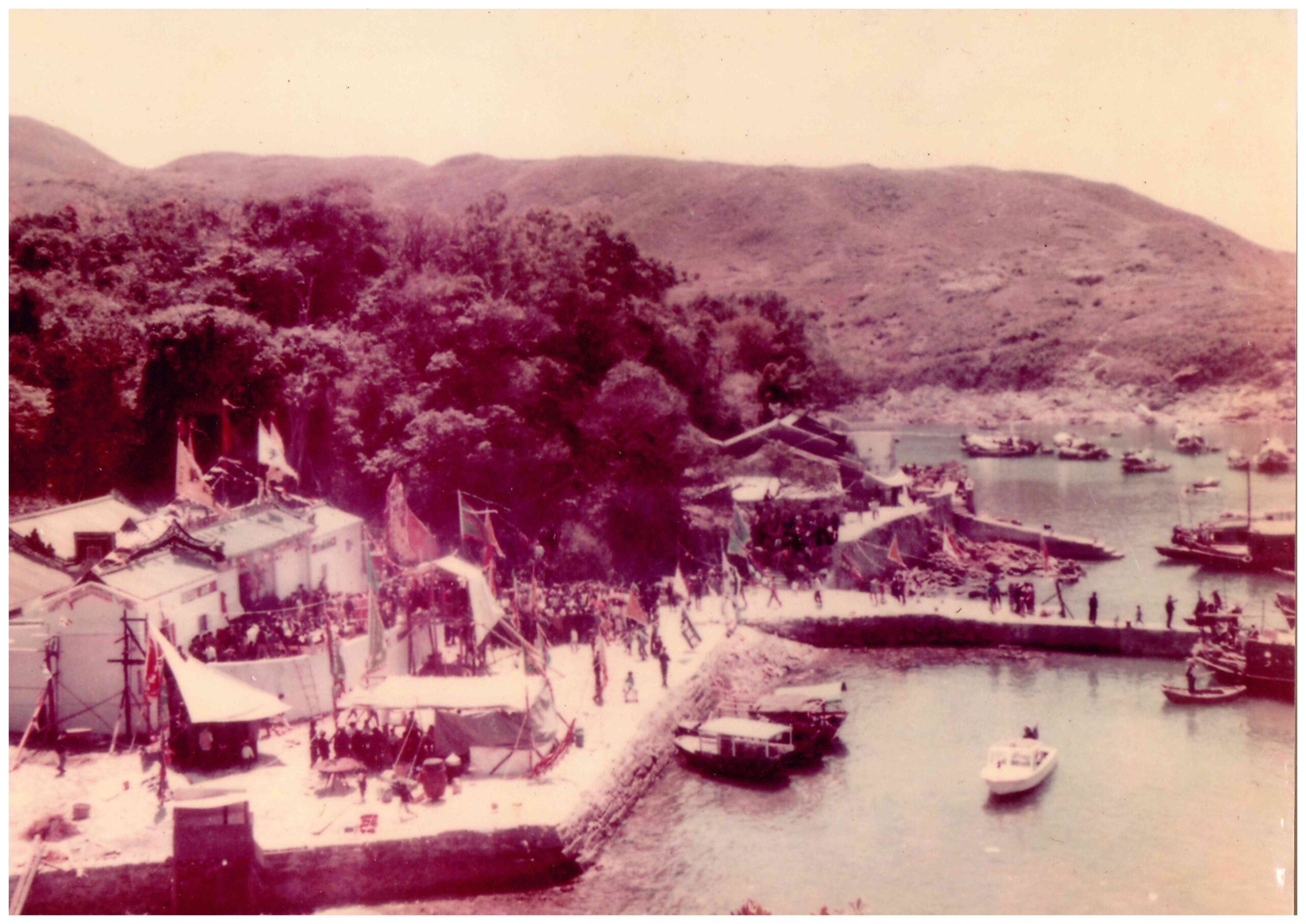
天后誕期間,糧船灣洋溢著節日氣氛,居民一同上香祭拜,祈求風調雨順、出海平安。鑼鼓喧天、舞獅與歡笑聲交織在一起,彩旗隨風飄揚,場面熱鬧非凡。慶典維持數天,展現出人們對天后娘娘的真摯感恩與深厚信仰。

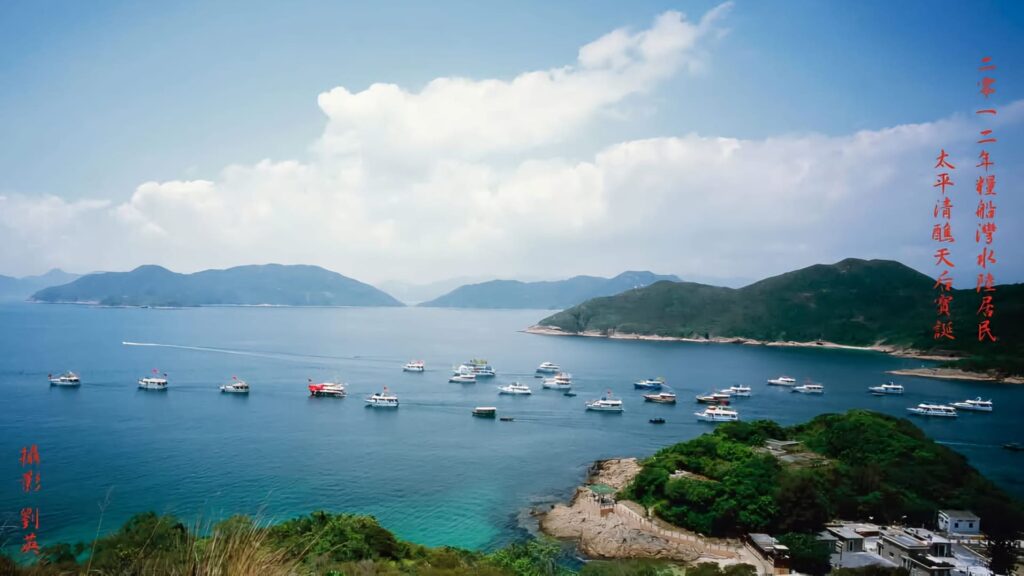
糧船灣天后誕 早期相片2008 12 b008

Tin Hau Festival is an annual grand occasion in Hong Kong’s coastal fishing villages, celebrated with vibrant festivities on the 23rd day of the third lunar month. The Tin Hau Festival in Hong Kong is inscribed on the Representative List of the Intangible Cultural Heritage of Hong Kong. It is also included in the national-level list of Representative Items of National Intangible Cultural Heritage. The Leung Shuen Wan Tin Hau Festival is distinguished between a “Small Festival” and a “Big Festival”. The Big Festival is characterized by its longer celebration period, featuring ritual Cantonese opera performances, a Tai Ping Ching Chiu (Purification Ritual), and the Tin Hau Sea Parade. The Big Festival is held in even-numbered years, from the 19th to the 24th day of the third lunar month (lasting six days and five nights) and is on a grander scale. The Small Festival, held in odd-numbered years, takes place from the 22nd to the 23rd day of the third lunar month and is relatively smaller in scale. It is noteworthy that the dates of the Leung Shuen Wan Tin Hau Festival differ from those celebrated in other areas within Sai Kung District, such as Hang Hau and Sai Kung Town. During the Tin Hau Festival, Leung Shuen Wan is filled with a festive atmosphere. Residents come together to offer incense and prayers, wishing for favourable weather and safety at sea. The air is filled with the sounds of gongs and drums, lion dances, and laughter, while colourful flags flutter in the wind, creating a lively and spectacular scene. The celebration lasts for several days, showcasing the people’s sincere gratitude and deep devotion to Tin Hau (Goddess of the Sea).

糧船灣天后宮歷史
History of the Leung Shuen Wan Tin Hau Temple

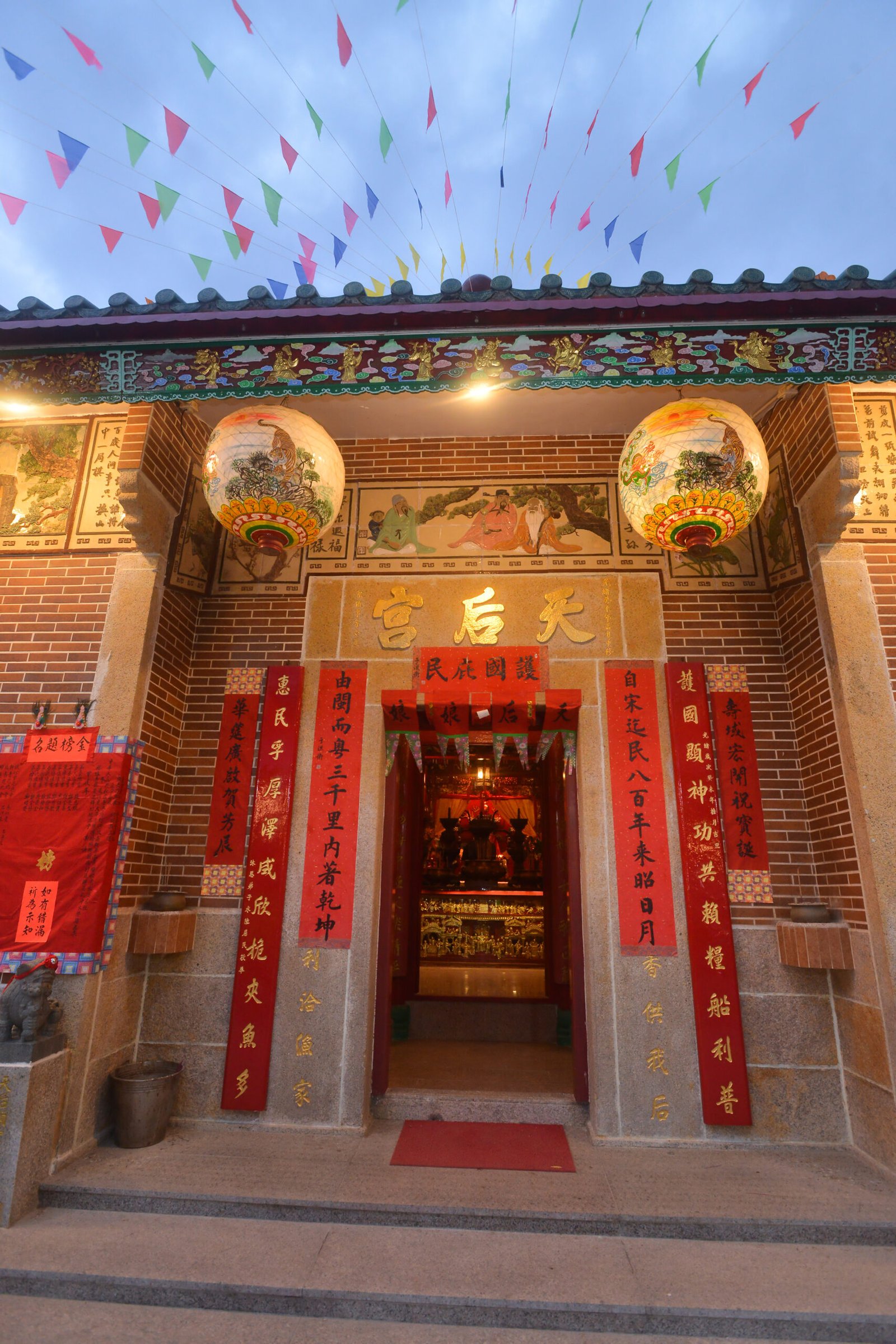
糧船灣的天后宮超過四百年歷史,為村民的信仰中心。
The Tin Hau Temple in Leung Shuen Wan, with a history of over 400 years, serves as the spiritual centre of the village.

每年天后誕,村民都會籌備慶典,準備祭品供奉,以酬謝神恩。
Every year for the Tin Hau Festival, villagers organise celebrations and prepare offerings to express their gratitude to the goddess.

糧船灣天后誕,其天后出巡及神功戲等傳統已數百年歷史,早期曾聘請粵劇「紅船」戲班演出。
The Leung Shuen Wan Tin Hau Festival features traditions with several hundred years of history, including the Tin Hau Sea Parade and ritual Cantonese opera performances. In the early days, “Red Boat” opera troupes were hired to perform.

即使漁業式微,節日仍由村民及舊居民持續舉辦,成為當地年度盛事。
Even though the fishing industry has declined, the festival continues to be organised by villagers and former residents, remaining an annual grand occasion for the community.

糧船灣天后宮---四寶
Leung Shuen Wan Tin Hau Temple — Four Treasures

廟內供奉天后娘娘及多位神明,並藏有四件珍貴古物——乾隆銅鐘、一組清光緒十一年(1885年)的精美木雕、天后誕天后娘娘坐著出海巡遊的龍轎,以及一座龍頭(據說廟內原有一鴨嘴龍頭,朽爛後改為現時的龍頭),見證著這座超過四百年歷史古廟的深厚文化底蘊。

The temple houses statues of Tin Hau and several other deities, and preserves four precious artefacts—the ancient bell, the Guangxu period altar carving, a dragon boat heat (there was originally a wooden carving of a duck-billed mythical creature in the temple, but it was replaced with a dragon’s head when it deteriorated), and a dragon sedan chair which Tin Hau statue put on it during sea parade on Tin Hau Festival—bearing witness to the profound cultural heritage of this historic temple, which has stood for over 400 years.

乾隆銅鐘

乾隆銅鐘 Ancient Bell


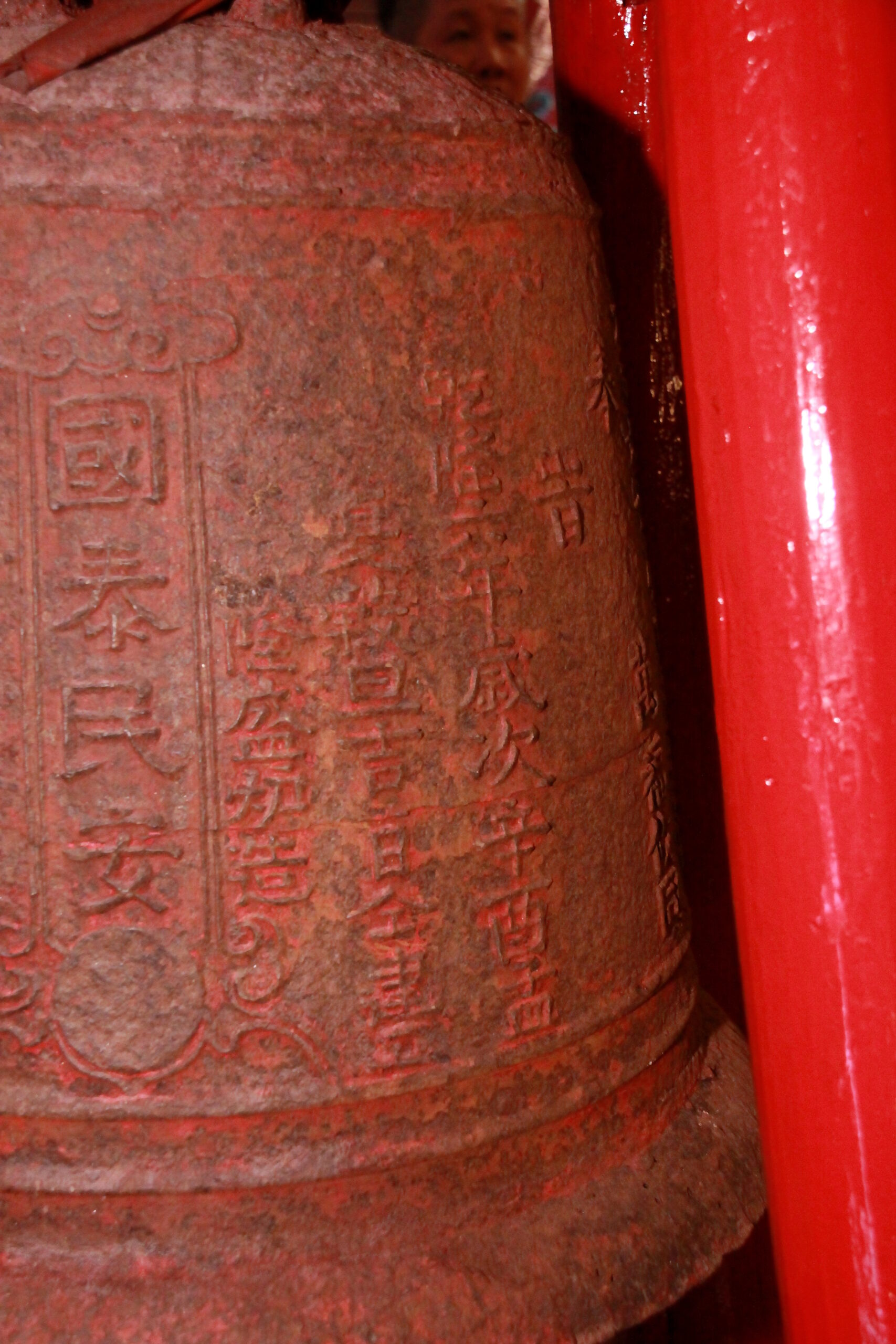
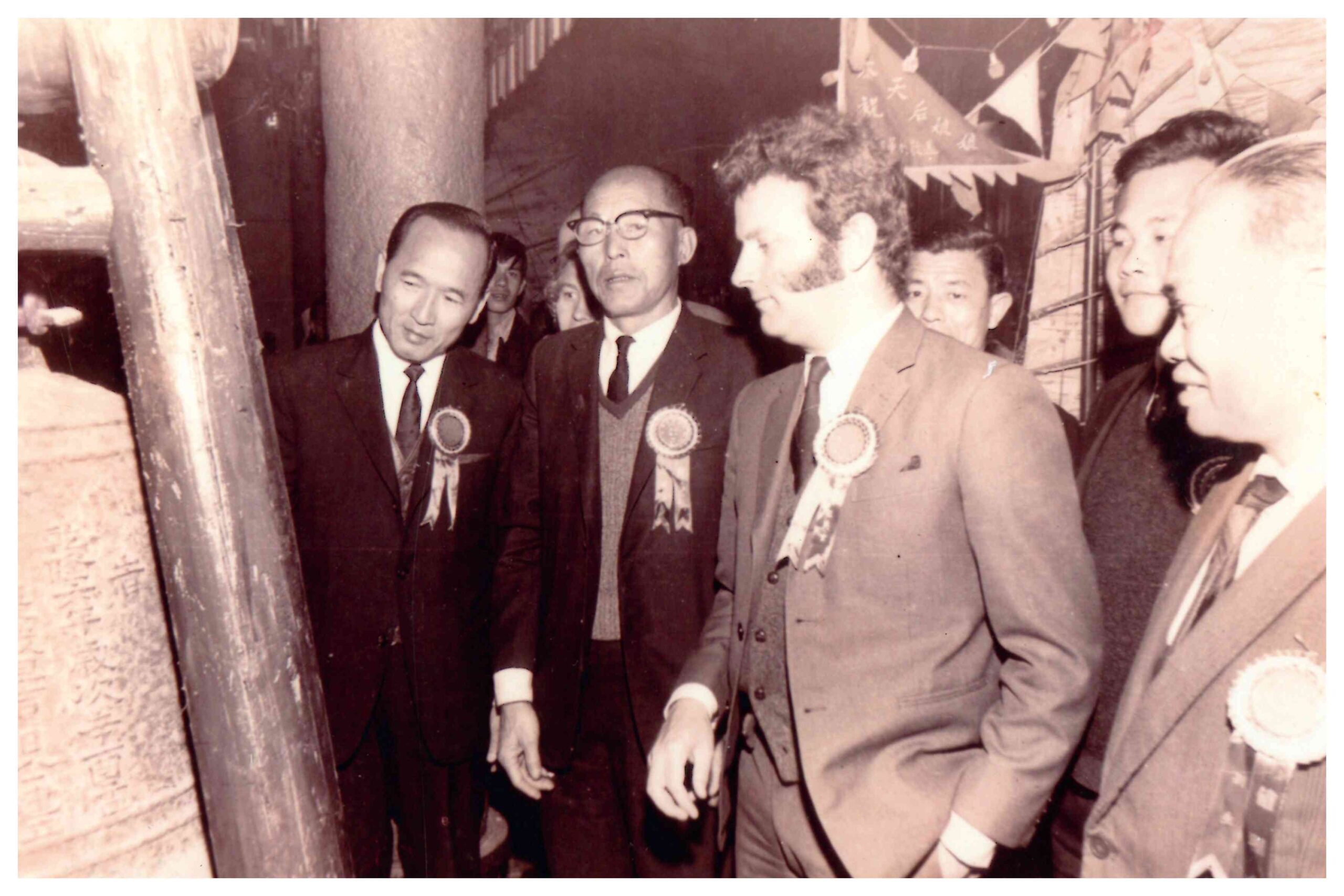
用生鐵鑄造的「古鐘」,重二百多斤,上面刻着「沐恩眾信弟子盧楚榮、周君本、王家棟仝發誠心處鑄鳴鐘一員,重貳百斤,敬在糧船灣天后娘娘殿前,永遠供奉,萬福攸同,旨乾隆六年歲此辛酉孟夏穀旦吉日仝建立隆盛爐造。」,前後亦分別鐫刻著「風調雨順」及「國泰民安」此八個大字。

The “Ancient Bell,” cast from pig iron and weighing over 200 catties, bears an inscription: “Dedicated by the grace-favored disciples and devotees Lu Chor-wing, Chau Kwan-bun, and Wong Ka-tung, who sincerely commissioned the casting of one bell, weighing 200 catties, to be presented before the shrine of Tin Hau (Goddess

of the Sea) in Leung Shuen Wan, for eternal veneration and shared blessings. Cast on an auspicious day in the early summer of the sixth year of the Qianlong reign (1741 AD) under the Qing Dynasty at the prosperous Lung Shing Foundry.” The bell is also inscribed on opposite sides with the eight

龍頭

龍頭 Dragon Boat Head


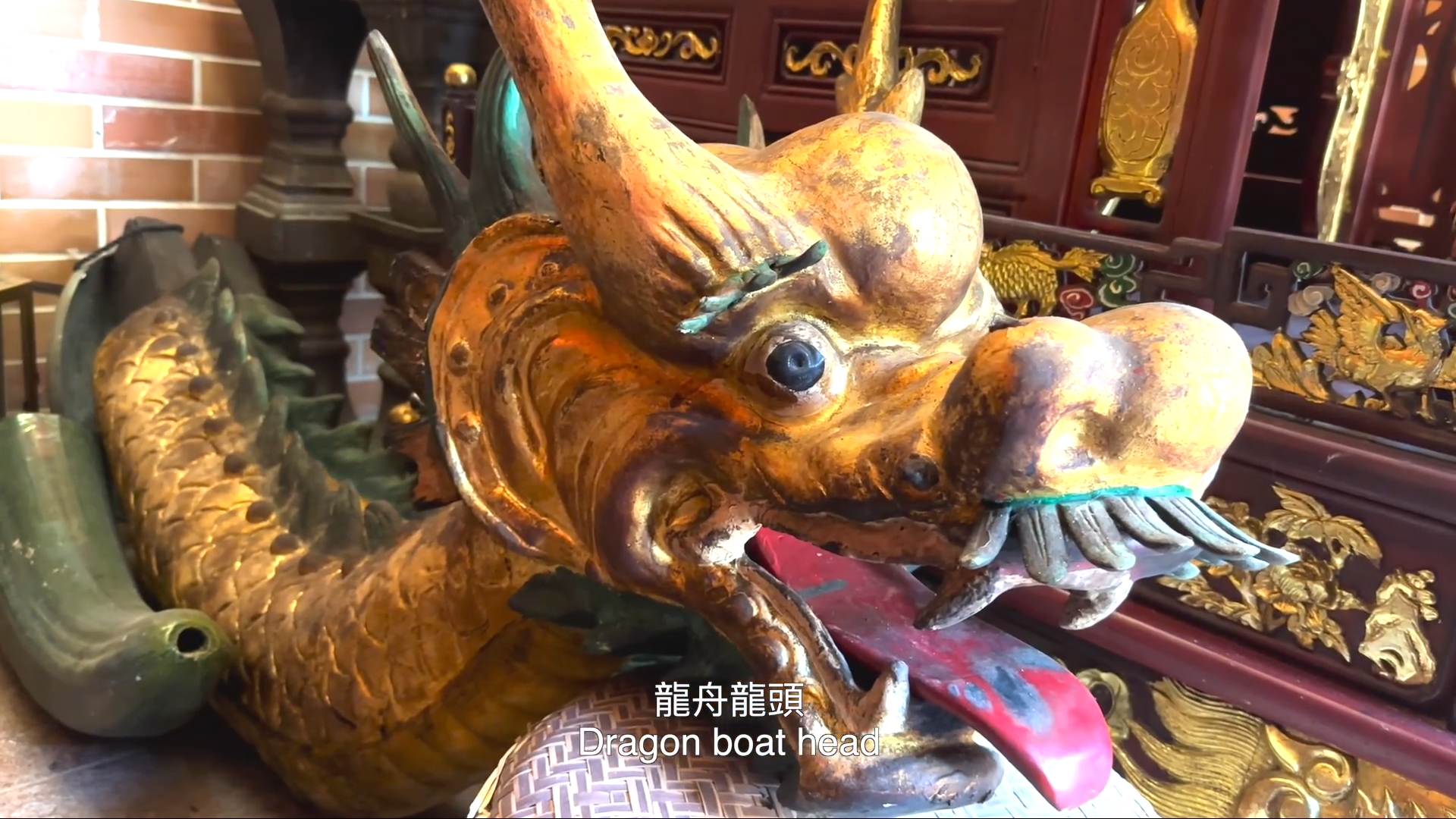
相傳每當端午節龍船競賽時,將這龍頭裝嵌在龍船頭上,龍角綁上彩帶和茅草出賽,便會百戰百勝,聞說這可能是早期龍船灣名稱的由來。

Legend has it that whenever this dragon head was mounted onto a dragon boat during the Dragon Boat Festival races, with its horns adorned with colourful pennants and cogongrass, the boat would be invincible in every race. It is said that this may be the origin of the name “Loong Chuen Wan” (Dragon Boat Bay).

糧船灣天后誕 早期相片 b004 龍轎 龍頭 2

龍轎 Dragon Sedan Chair


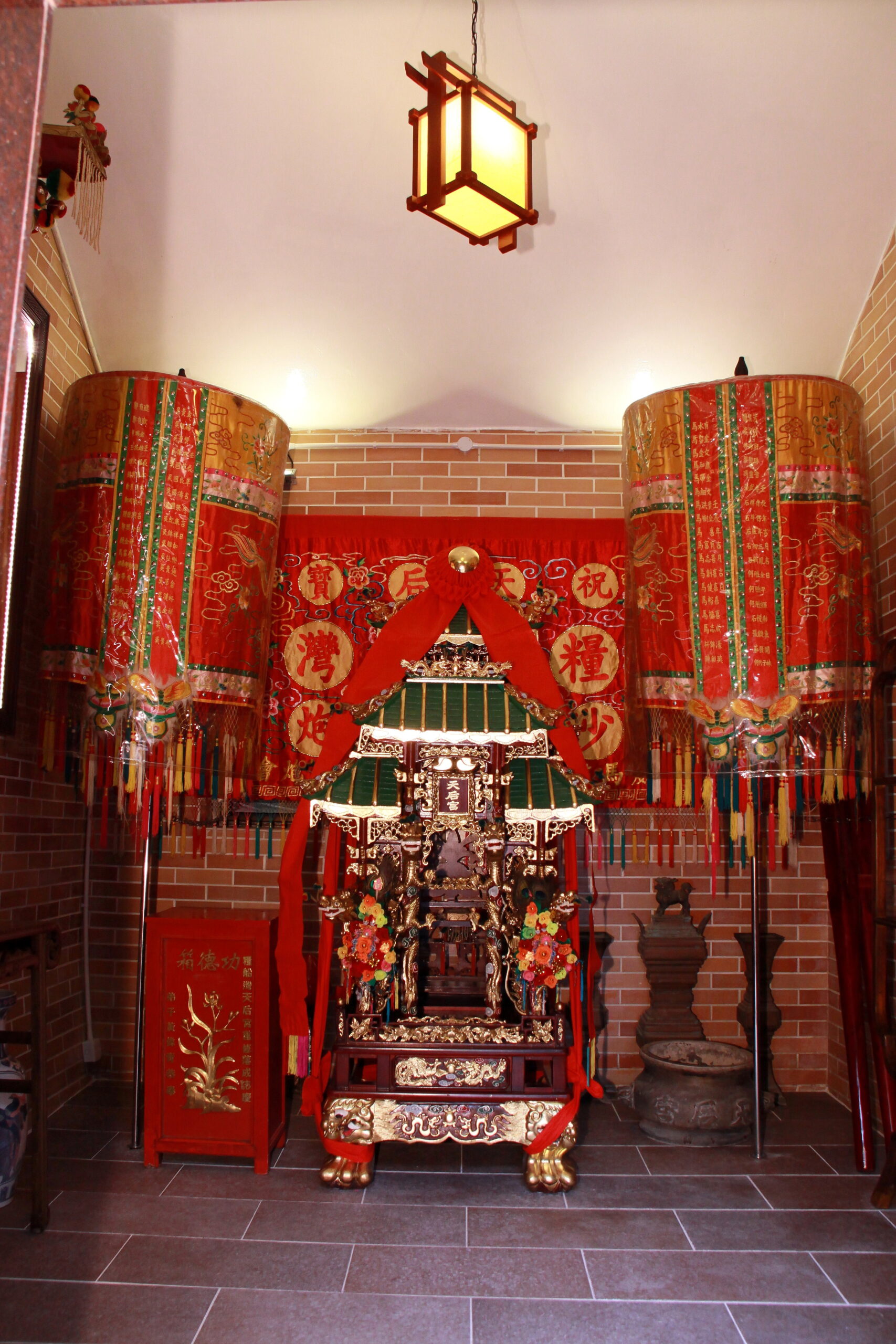
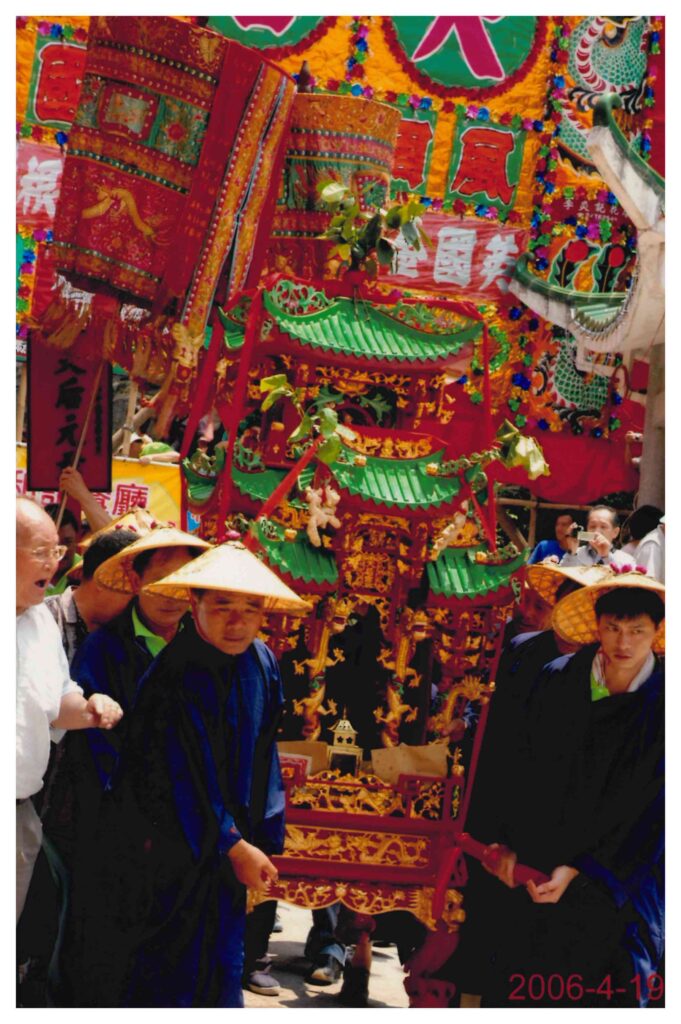
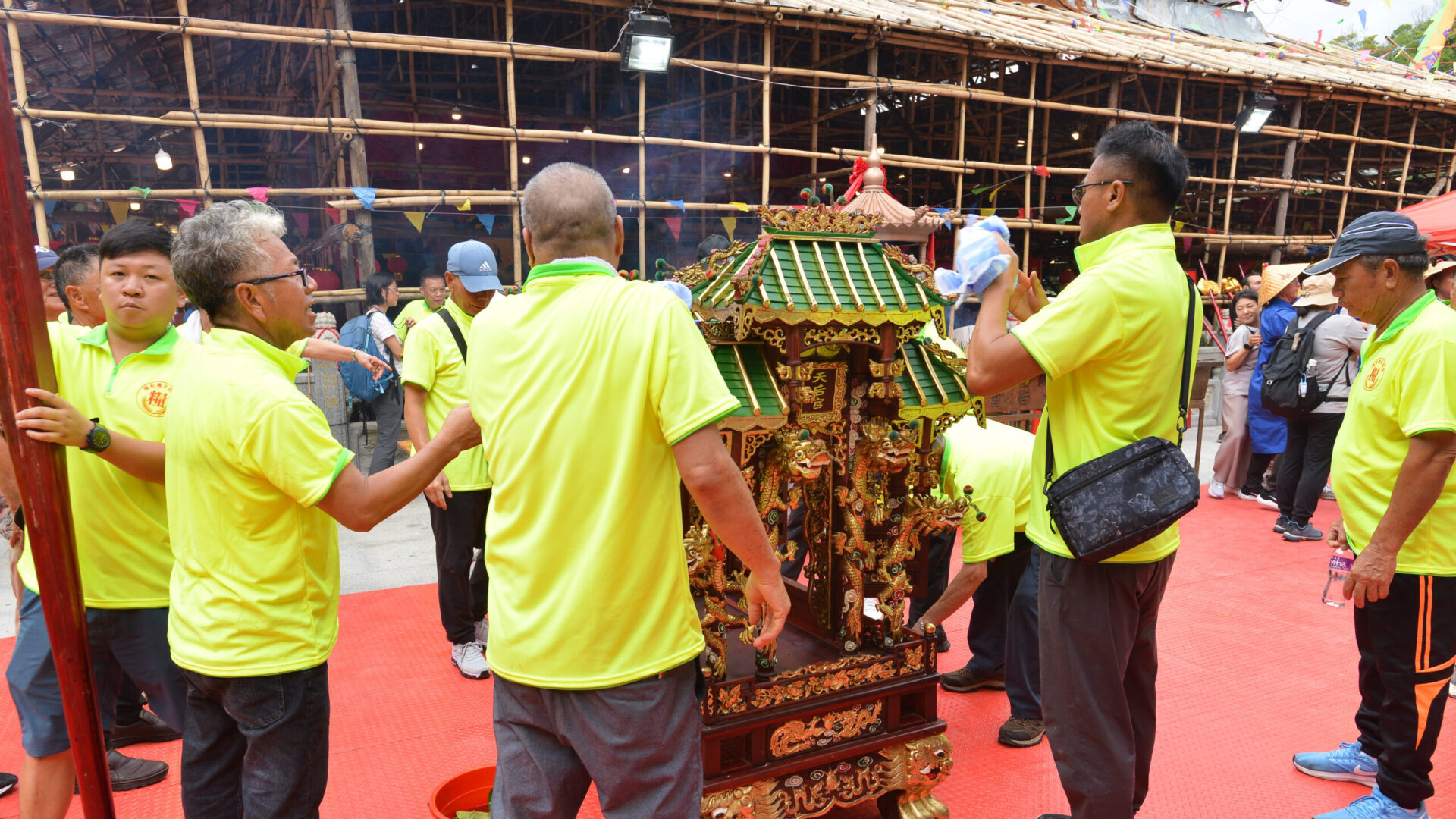
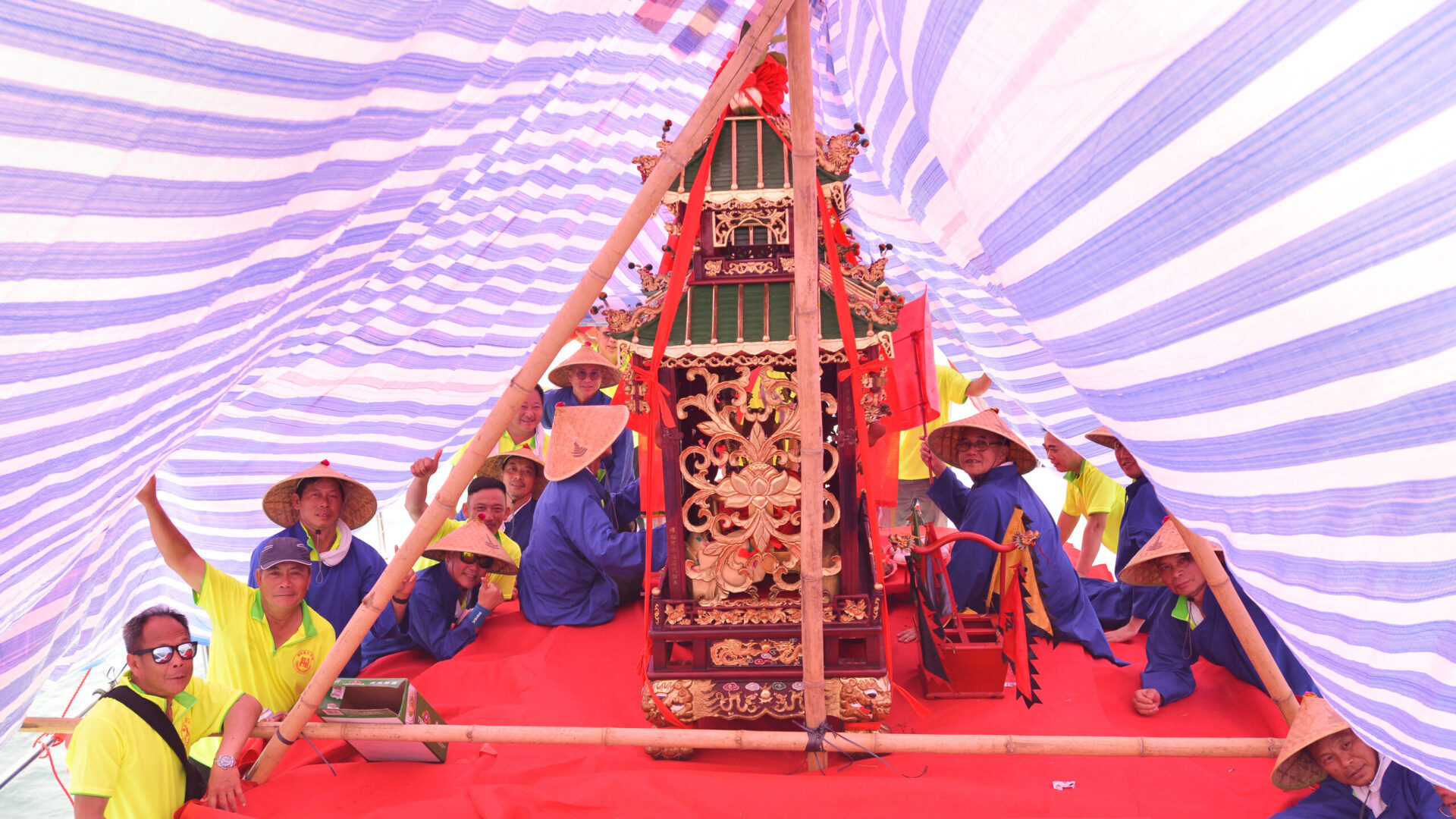
每逢天后誕,天后娘娘便會坐着龍橋出海巡遊。 1994年天后宮重修時,按照傳統需將廟內舊有的供奉祭祀用品火化,還給天后娘娘。當時的區域市政局博物館(現香港文化博物館)總館長獲悉後,尋得眾地區人士協助徵求捐贈,糧船灣值理會及村中父老以「聖杯」問准天后娘娘後,便擇吉日進行隆重的捐贈儀式,將該批百年歷史文物轉贈予博物館保存、修復翻新及定期展出,而館方則複製一套新的贈送給天后宮。

During the annual Tin Hau Festival, Tin Hau (Goddess of the Sea) is carried on a dragon sedan chair to patrol the sea. When the Tin Hau Temple underwent renovation in 1994, tradition required that the old ceremonial items and sacrificial offerings within the temple be cremated and returned to Tin Hau. Upon learning of this, the then Chief Curator of the Regional Council Museum (now the Hong Kong Heritage Museum) sought assistance from local figures to request a donation. After receiving approval from Tin Hau through the casting of moon blocks (shing pui) by the Leung Shuen Wan Committee and village elders, an auspicious date was chosen for a formal donation ceremony. This collection of century-old artifacts was transferred to the museum for preservation, restoration, and periodic exhibition, while the museum presented a newly crafted replica set to the Tin Hau Temple.

光緒十一年木雕

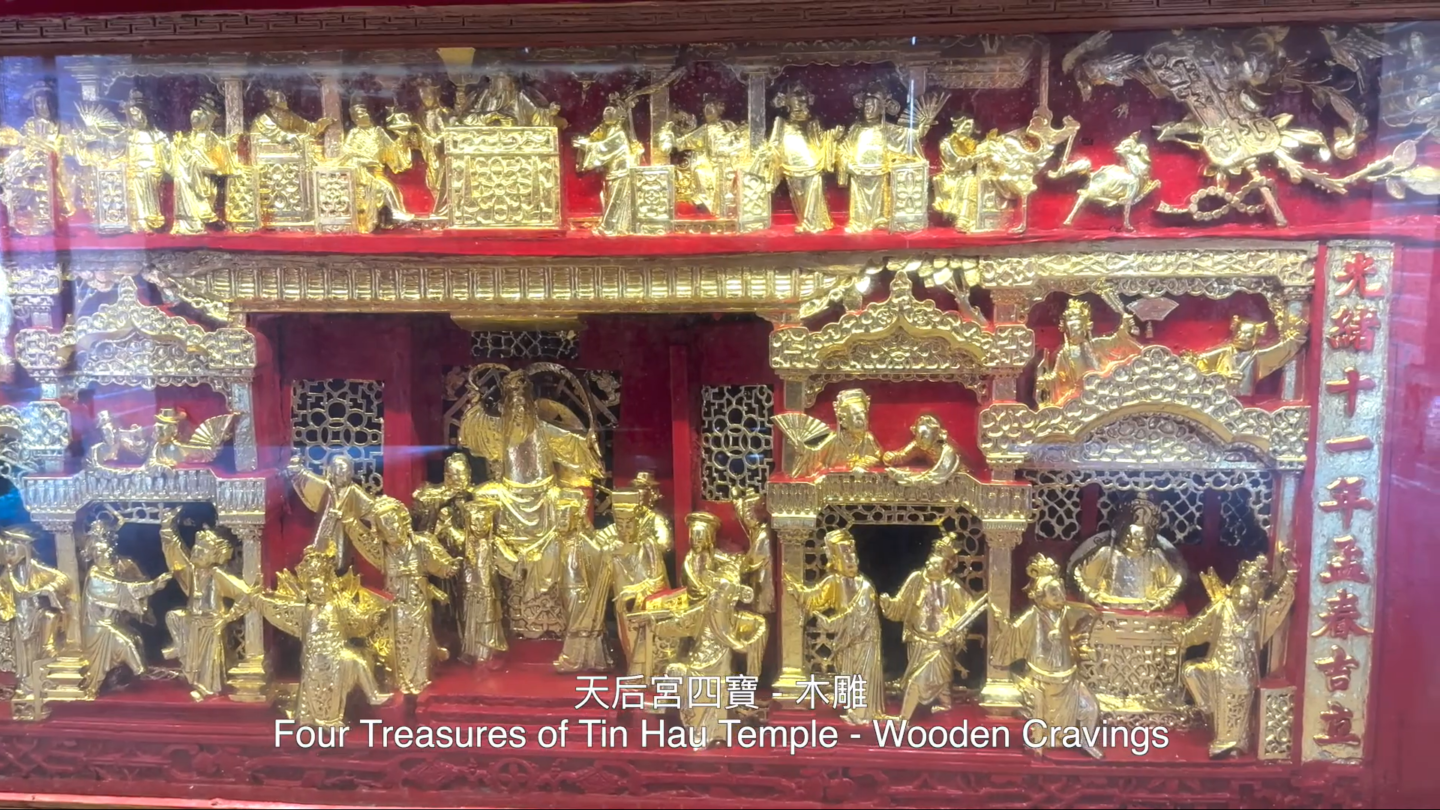
木雕 Wooden Cravings


光緒十一年木雕 神枱浮雕:[清光緒十一年(1885)]:香案下段的浮雕栩栩如生,講述「薛剛反唐」故事中薛剛與廬陵王在九煉山預備攻入長安的情況。

Wooden Cravings: 11th Year of the Guangxu Reign, Qing Dynasty (1885 AD) The relief carvings on the lower section of the incense altar are exceptionally lifelike, depicting a scene from the story of “Xue Gang’s Revolt” in which Xue Gang and the Prince of Luling prepare to attack Chang’an from Jiulian Mountain.

糧船灣天后宮重修歷史
Renovation History of the Leung Shuen Wan Tin Hau Temple

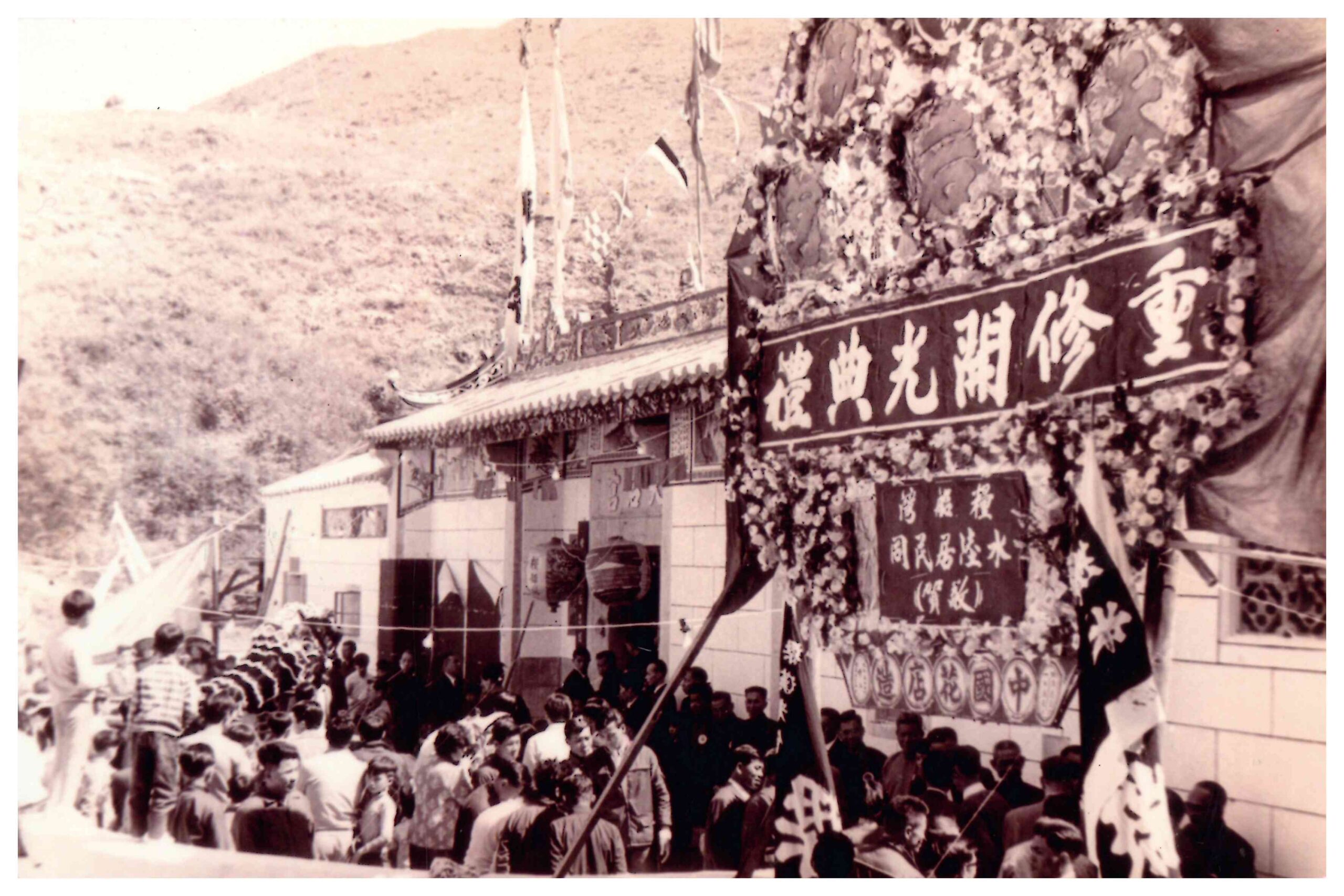
糧船灣天后宮是三級歷史建築,曾經歷多次重修,最早於光緒癸未年(1883),於1970年,1998年亦有重修。最近一次大規模的維修工程於2013年竣工,總計花費港幣五百萬元,此筆經費乃由廣大水陸居民及海外華僑熱心捐助而成。並加建塔香室讓善信祈福,更設立文物館,展示過往曾用於祭祀的物品。
The Leung Shuen Wan Tin Hau Temple is a Grade III Historic Building. It has undergone several renovations throughout its history, with the earliest recorded restoration taking place in the Gui Wei year of the Guangxu reign (1883), followed by further renovations in 1970 and 1998. The most recent large-scale renovation project was completed in 2013, at a total cost of HKD five million. This funding was generously donated by members of the local land and sea communities, as well as overseas Chinese. The renovation included the addition of a spiral incense chamber where devotees can pray for blessings. Furthermore, a heritage hall (museum) was established to display ceremonial items used in worship in the past.

糧船灣天后誕「大屆」

糧船灣天后誕「大屆」正式名稱:糧船灣水陸居民太平清醮 恭祝天后寶誕 建醮酬神慶典

早在農曆二月十五日,適逢大王誕,居民在廟前以抽籤方式,擇定各項工作的負責人,出巡船隊的「座駕船」,第一至三「拖頭」,亦包含太平清醮的十位緣首,稱「潛()緣首」。整個過程相當公平及神聖,由廟祝用已拜神的紅筷子先從簽筒抽出工作,然後從另一簽筒挾出人名紙,象徵是由天后娘娘揀選出來的。

“Big Festival” of the Leung Shuen Wan Tin Hau Festival:

Full name of the “Big Festival” of the Leung Shuen Wan Tin Hau Festival: Leung Shuen Wan Land and Water Community Tai Ping Ching Chiu in Celebration of Tin Hau’s Birthday: Jiao Festival to Honor the Deity

As early as the 15th day of the second lunar month, coinciding with the Tai Wong Yeh Festival, residents gather in front of the temple to draw lots to select the individuals responsible for various tasks. This includes selecting the lead vessel and the first to third “tow boats” for the sea parade fleet, as well as the ten Yuen Sau (ritual leaders) for the Tai Ping Ching Chiu, in a process known as “drawing of the Yuen Sau” . The entire process is considered highly fair and sacred. The temple keeper uses red chopsticks, which have been blessed before the deities, to first draw a task slip from one container, and then to pick a name slip from another container. This method symbolizes that the selections are personally made by Tin Hau herself .

甚麼是「緣首」?

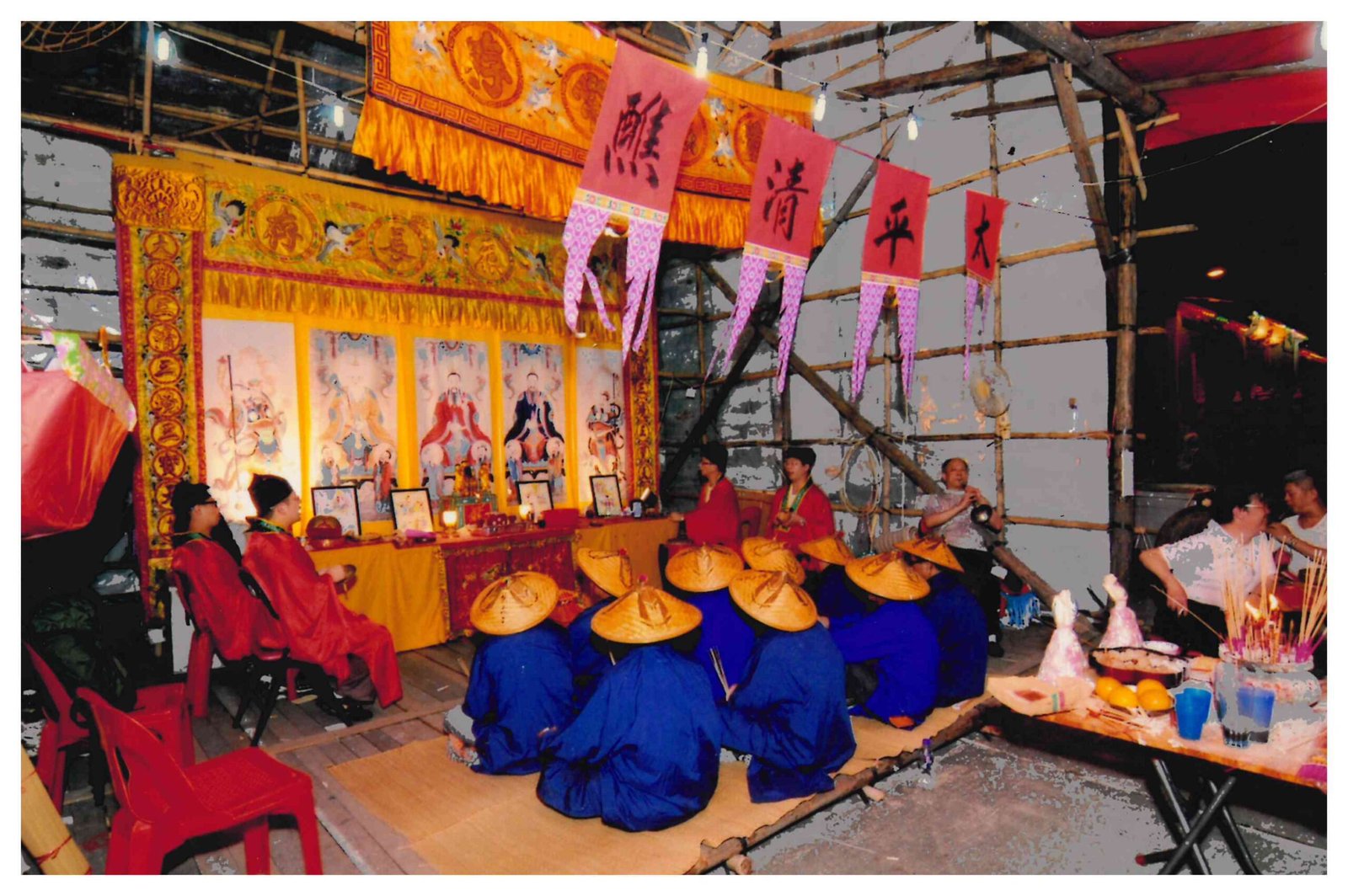
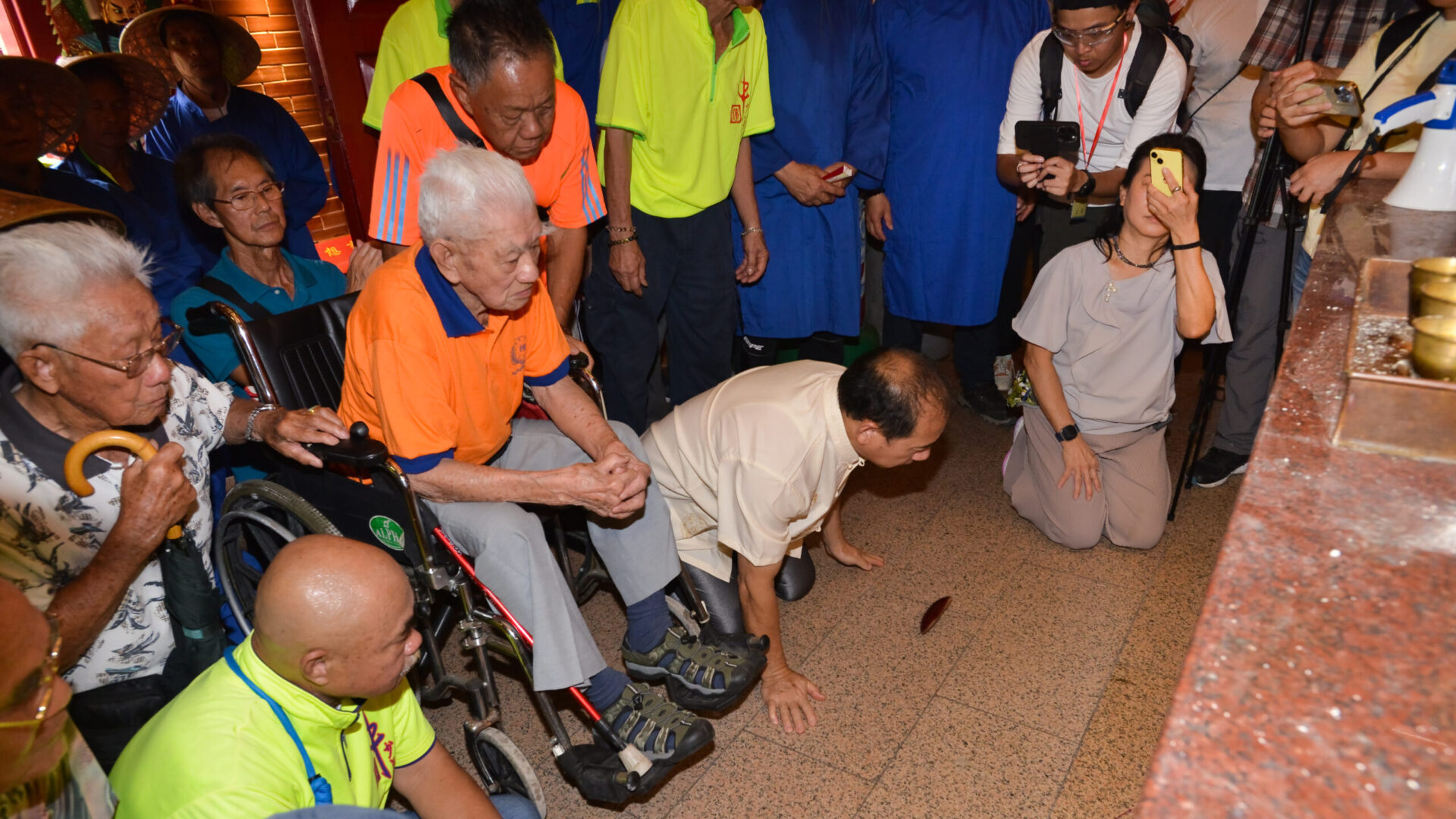
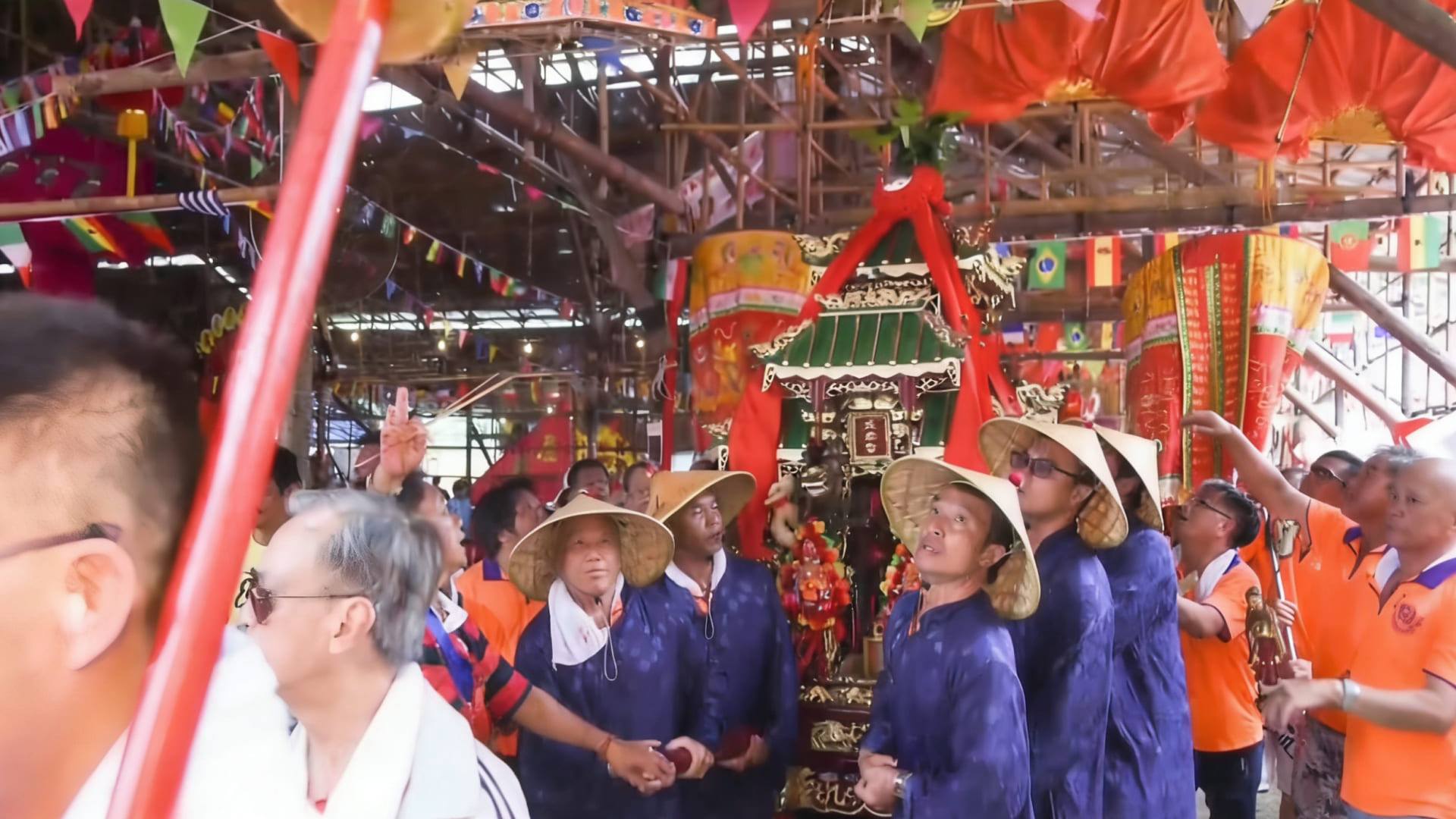
「緣首」身穿清朝士兵的服裝 ,藍身長衫、頭戴竹竺 、其責任十分重大,他們代表整個糧船灣的社區參與打醮(太平清醮),負責將水陸居民建醮的祈求傳達給神明。負責擲杯並會負責抬天后的轎子。儀式中各個決定都要通過擲聖杯來顯示天后的意願。例如出巡前後,緣首會在天后面前擲聖杯以決定出巡時間及回程時間 。

「緣首」亦要「行朝」:農曆三月十九日「晚朝」,二十及二十一日有「早朝」、「午朝」、「晚朝」,由喃嘸老師帶領,「緣首」將環繞天后廟後方的山坡,向山上的土地公及其他神明進行參拜。在三月二十二日, 天后出巡前的早上更要「行大朝」, 由天后宮,往東丫、沙橋、北丫走一圈。象徵在天后誕(正誕)前潔淨社區。

糧船灣天后誕2012年 b003

在天后誕前的數月,糧船灣村民便開始忙碌起來。天后誕由糧船灣天后宮值理會主辦。居民自發義務出力。他們會仔細清潔天后宮,重新設置香案與供品,使廟宇煥然一新;同時確保各項儀式順利進行。天后廟前也會搭建臨時戲棚,懸掛大紅花牌彩旗與燈籠,整個村莊洋溢著節日的氣氛。

農曆三月十九日,由下午喃嘸先生到達糧船灣一即開始,象徵六日五夜「糧船灣水陸居民太平清醮 恭祝天后寶誕 建醮酬神慶典」正式開始。同時開始四日三夜「太平清醮」,全島茹素,嚴禁殺生。

What are “Yuen Sau” (Ritual Leaders)?

The Yuen Sau (Ritual Leaders) wear costumes resembling those of Qing Dynasty soldiers: a blue long gown and a bamboo hat. Their responsibilities are of great importance, as they represent the entire Leung Shuen Wan community in participating in the Tai Ping Ching Chiu (Purification Ritual). They are responsible for conveying the prayers of the land and water communities during the Jiao Festival to the deities. They are tasked with casting the moon blocks (poe) and carrying the sedan chair of Tin Hau. Every decision during the rituals must be made by casting the moon blocks to reveal Tin Hau’s will. For example, before and after the sea patrol, the Yuen Sau cast moon blocks before Tin Hau to determine the departure and return times.

The Yuen Sau also perform the “Hang Chiu” (Procession Rituals): On the evening of the 19th day of the third lunar month, the “Evening Procession” begins. On the 20th and 21st days, there are “Morning Processions,” “Noon Processions,” and “Evening Processions.” Led by Taoist priests (nam mo masters), the Yuen Sau circle the hillslope behind the Tin Hau Temple to pay homage to the Earth God and other deities on the hill. On the morning of the 22nd day of the third lunar month, before the Tin Hau Sea Parade, the “Tai Hang Chiu” (Grand Procession) is performed, circling from the Tin Hau Temple to Tung A, Sha Kiu, and Pak A. This symbolizes the cleansing of the community before the Tin Hau Festival (the main festival day).

糧船灣天后誕 早期相片 b002

 In the months leading up to the Tin Hau Festival, the villagers of Leung Shuen Wan begin their busy preparations. The Tin Hau Festival is organised by the Leung Shuen Wan Tin Hau Temple Management Committee (Tin Hau Kung Association of Leung Shuen Wan). Villagers volunteer their efforts selflessly. They meticulously clean the Tin Hau Temple, re-set the incense tables and offerings, giving the temple a fresh new look, while simultaneously ensuring the smooth progression of all rituals. A temporary bamboo theatre is also erected in front of the Tin Hau Temple, decorated with large red floral plaques, colourful flags, and lanterns, filling the entire village with a festive atmosphere.

On the 19th day of the third lunar month, the arrival of the Taoist priests (nam mo masters) in Leung Shuen Wan in the afternoon marks the official commencement of the six-day, five-night celebration: “Leung Shuen Wan Land and Water Community Tai Ping Ching Chiu in Celebration of Tin Hau’s Birthday: Jiao Festival to Honor the Deity.” At the same time, the four-day, three-night “Tai Ping Ching Chiu (Purification Ritual)” begins, during which the entire island observes a vegetarian diet and the killing of living creatures is strictly prohibited.

小屆 vs 大屆

「小屆」也舉行打醮,學名「洪文清醮」。半天的打醮,是一種常見的「誕醮合一」模式,即在舉行天后誕前,先舉行打醮,規模較小,沒有神功戲上演。

  • 「小屆」主要活動包括:
  • 農曆3月22日晚上:
  • 打醮: 僧道誦經,祈求地區風調雨順、國泰民安化;大士王,素盆菜宴。晚上11時(子時)開始賀誕
  • 農曆3月23日(正誕)
  • 賀誕: 還炮,抽花炮,舞獅,舞麒麟。善信備香燭、鮮花與供品,表達敬意
 

「大屆」舉行「太平清醮」。大型的社區性宗教活動,為期四天,感謝神明在過去日子的庇佑,使地方太平,並以宗教儀式潔淨社區,讓社區有一個新的開始。

  • 「大屆」主要活動包括:
  • 粵劇神功戲: (五夜九本戲),農曆3月20日至24日。作為對神明的感謝與娛樂,酬謝神恩,戲為神功,神人共樂。有近年少見的「天光戲」。
  • 太平清醮:4日3夜,農曆3月19日至22日。全島茹素,嚴禁殺生。
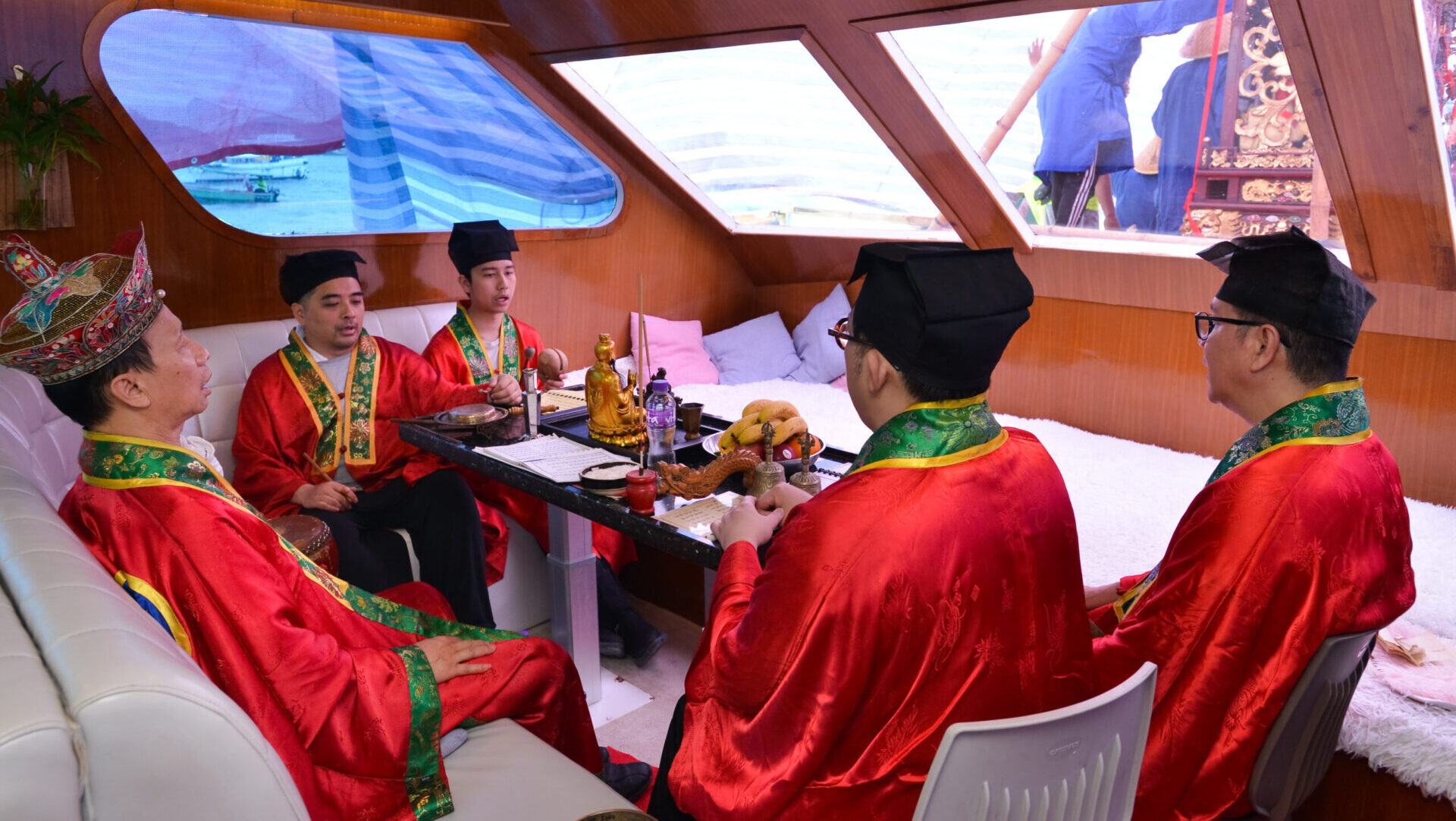
  • 天后海上出巡: 天后行身出巡海面至火頭墳洲對出海面,昔日漁民出海捕魚(開身)的路線。天后視察海面及亡靈誦經超度儀式,伴隨扇舞、鑼鼓、舞獅、陸上扒舟等民俗表演,以祈求社區風調雨順,人口平安。
Leung Shuen Wan Tin Hau Festival: Small Festival vs Big Festival

The “Small Festival” also features a Da Chiu (Taoist Ritual), formally known as the “Hung Man Ching Chiu” (a shorter, half-day Purification Ritual). This is a common “combined birthday and ritual” model, where a shorter, half-day purification ritual is held just before the Tin Hau Festival. Its scale is smaller, and no ritual Cantonese opera performances take place.

Small Festival Main Activities:

  • Evening of the 22nd day of the 3rd lunar month:
  • Da Chiu (Taoist Ritual): Taoist priests chant sutras to pray for favourable weather, peace and prosperity for the land and community; burning of the King of Ghosts (Tai Si Wong); vegetarian Poon Choi feast. Celebration of the festival begins at 11:00 pm (the Hour of the Rat).
  • 23rd day of the 3rd lunar month (Main Festival Day):
  • Celebration Activities: Return of the pao (festival prizes), Fa Pao Ballot (lottery for festive prizes), lion dances, Hakka unicorn dances. Devotees prepare incense, candles, fresh flowers, and offerings to pay their respects.

The “Big Festival” features the Tai Ping Ching Chiu (Purification Ritual). This is a large-scale community religious activity lasting four days, giving thanks to the deities for their blessings over the past years, ensuring peace in the region, and using religious ceremonies to purify the community, allowing it to make a new start.

Big Festival Main Activities:

  • Cantonese Opera (Ritual Opera): (Five nights, nine operas), from the 20th to the 24th day of the 3rd lunar month. Performed as thanksgiving and entertainment for the deities, honouring their blessings. The opera is offered as a religious ritual, allowing gods and people to rejoice together. Includes the rarely seen these days “all-night opera” (Tin Kwong Hei).
  • Tai Ping Ching Chiu (Purification Ritual): 4 days and 3 nights, from the 19th to the 22nd day of the 3rd lunar month. The entire island observes a vegetarian diet, and the killing of living creatures is strictly prohibited.
  • Tin Hau Sea Parade: The processional statue of Tin Hau patrols the sea as far as the waters off Fo Tau Fan Chau, following the route fishermen historically took when going out to sea (hoi san). Tin Hau inspects the sea, accompanied by chanting and soul-liberation rituals performed by Taoist priests for the wandering spirits. Folk performances such as fan dances, gongs and drums, lion dances, and “land rowing” (land-based boat dance) are held, praying for the community’s well-being and peace for its people.
  • The “Big Festival” features the Tai Ping Ching Chiu (Purification Ritual). This is a large-scale community religious activity lasting four days, giving thanks to the deities for their blessings over the past years, ensuring peace in the region, and using religious ceremonies to purify the community, allowing it to make a new start.

2026 糧船灣天后誕 High Island Tin Hau Festival

02 天后誕(tin hau festival) excel
img 4511 (1) 2

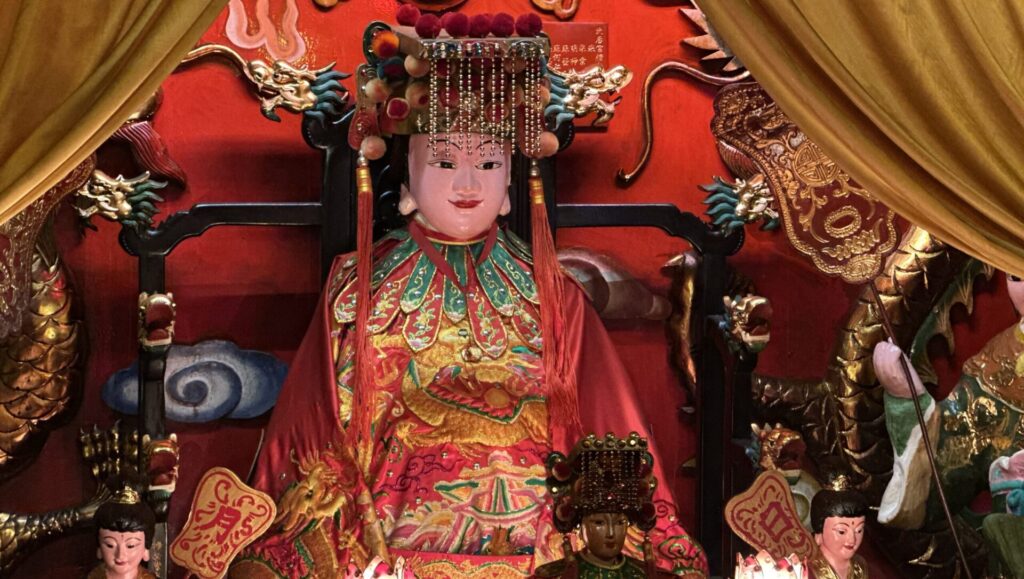
天后 Tin Hau

天后,原名林默娘,出生於福建湄洲島。相傳她自幼聰慧通靈,能預知風浪、救人於危難,因此被尊奉為海上守護神。成仙後,她的封號隨時代而異,如「通賢神女」、「天后聖母」、「媽祖」及「娘媽」等。天后的地位最初僅屬民間海神,直到宋徽宗年間,因顯靈救使臣於海難而受朝廷冊封,廟額題為「順濟」,此後歷代褒封達三十次,最終尊為「天后聖母」。她的傳奇源自史書記載、口頭傳說與聖跡畫卷,故事千年流傳,象徵救厄扶善的信念。天后信仰由湄洲起源,遍及中國沿海及海外華人社群,成為連結華人文化與精神的象徵。每逢神誕,官民齊祭,廟會與神功戲熱鬧非凡,展現信仰與藝術交融的魅力。

Tin Hau, originally named Lin Moniang, was born on Meizhou Island in Fujian. According to legend, she was intelligent and spiritually gifted from a young age, able to predict storms and rescue people from danger. As a result, she is revered as the patron deity of the sea. After her deification, her titles varied across dynasties, such as “Tongxian Shennü” (Miraculous Lady), “Tin Hau Shing Mo” (Holy Mother, Queen of Heaven), “Matsu” (Mother-Ancestor), and “Neong Ma” (Lady Mother). Tin Hau’s status began as a folk sea goddess. It was not until the reign of Emperor Huizong of the Song Dynasty, when she was credited with miraculously saving an imperial envoy from a shipwreck, that she received official recognition from the court. The emperor bestowed the temple plaque title “Shunji” (Blessed Aid). Thereafter, she received over thirty imperial accolades across subsequent dynasties, eventually being honoured as “Tin Hau Shing Mo” (Holy Mother, Queen of Heaven). Her legends originate from historical records, oral traditions, and paintings of her sacred deeds—stories that have been passed down for a millennium, symbolizing the belief in rescuing those in distress and supporting good deeds. The worship of Tin Hau originated in Meizhou and spread throughout the coastal regions of China and overseas Chinese communities, becoming a symbol connecting Chinese culture and spirit. Every year at her festival, both officials and the public offer sacrifices. Temple fairs and ritual Cantonese opera performances create a vibrant atmosphere, showcasing the captivating fusion of faith and art.

糧船灣天后海上出巡

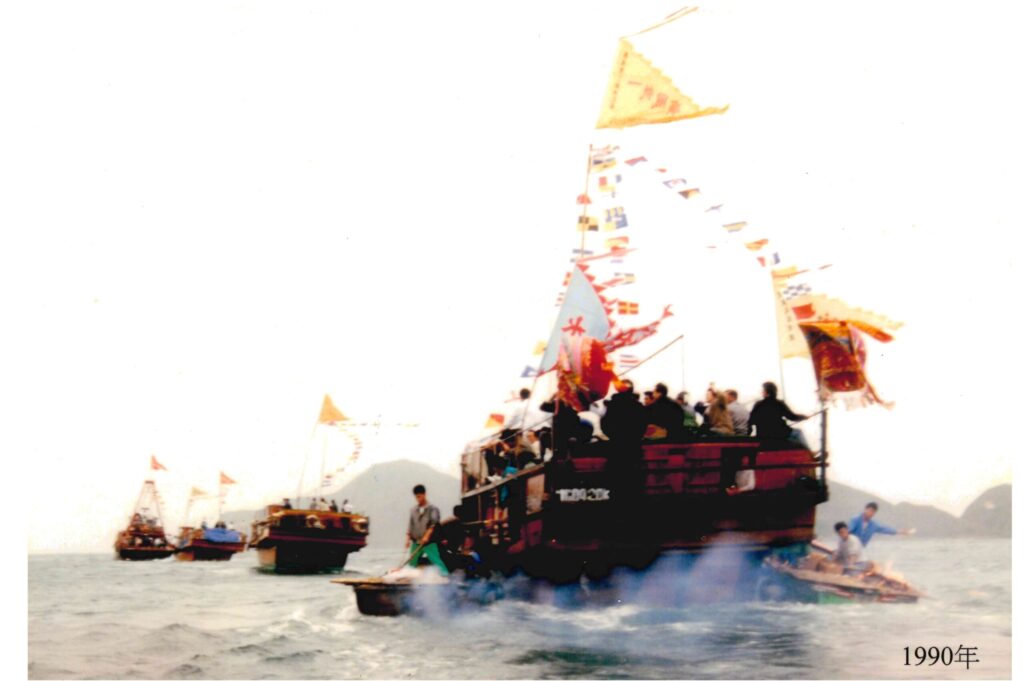
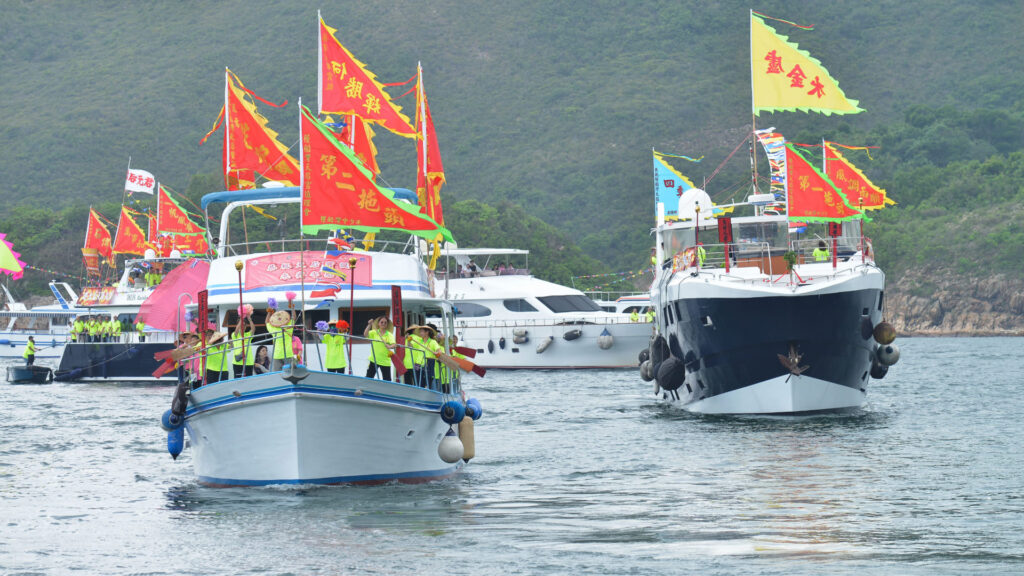
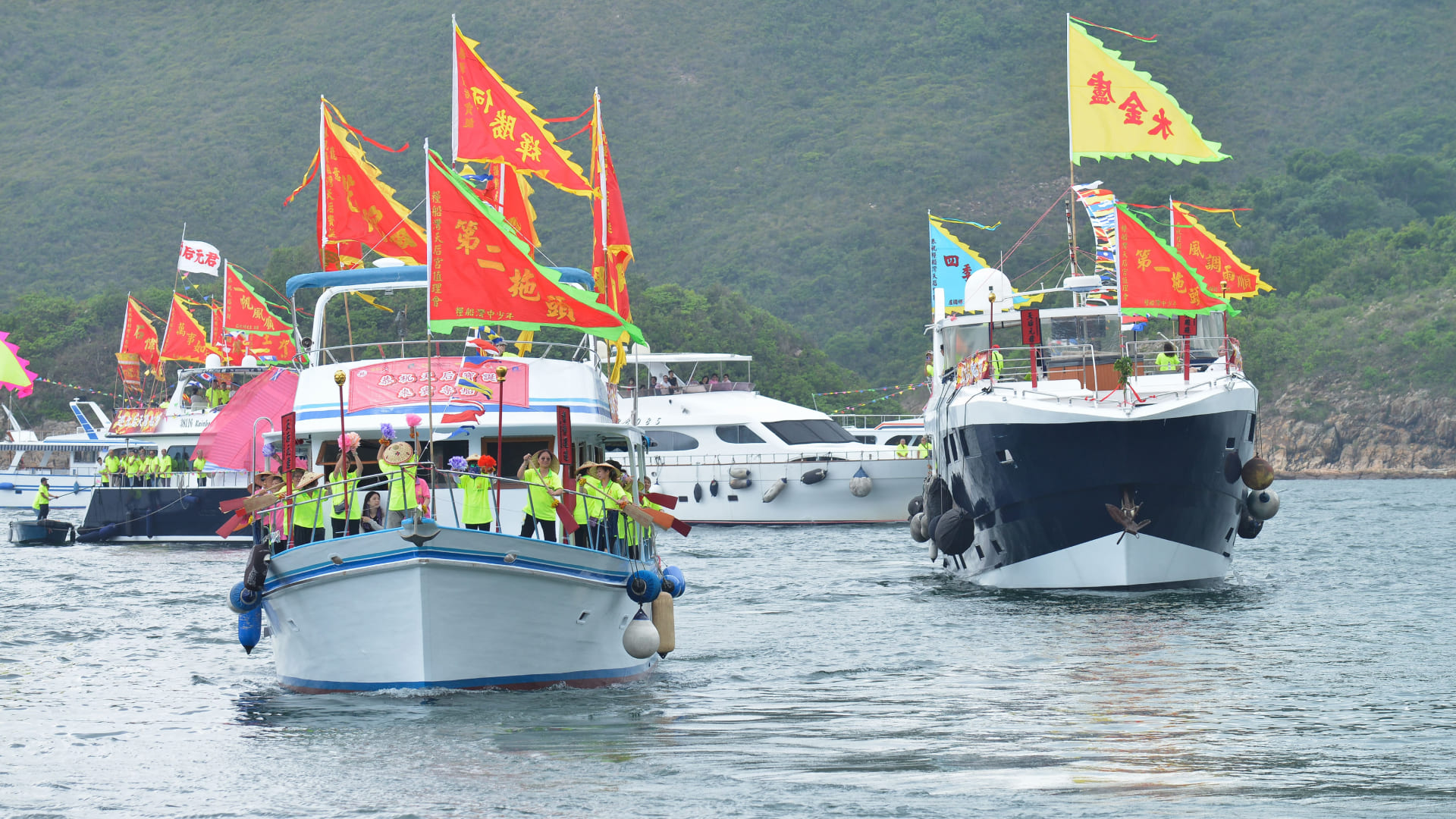
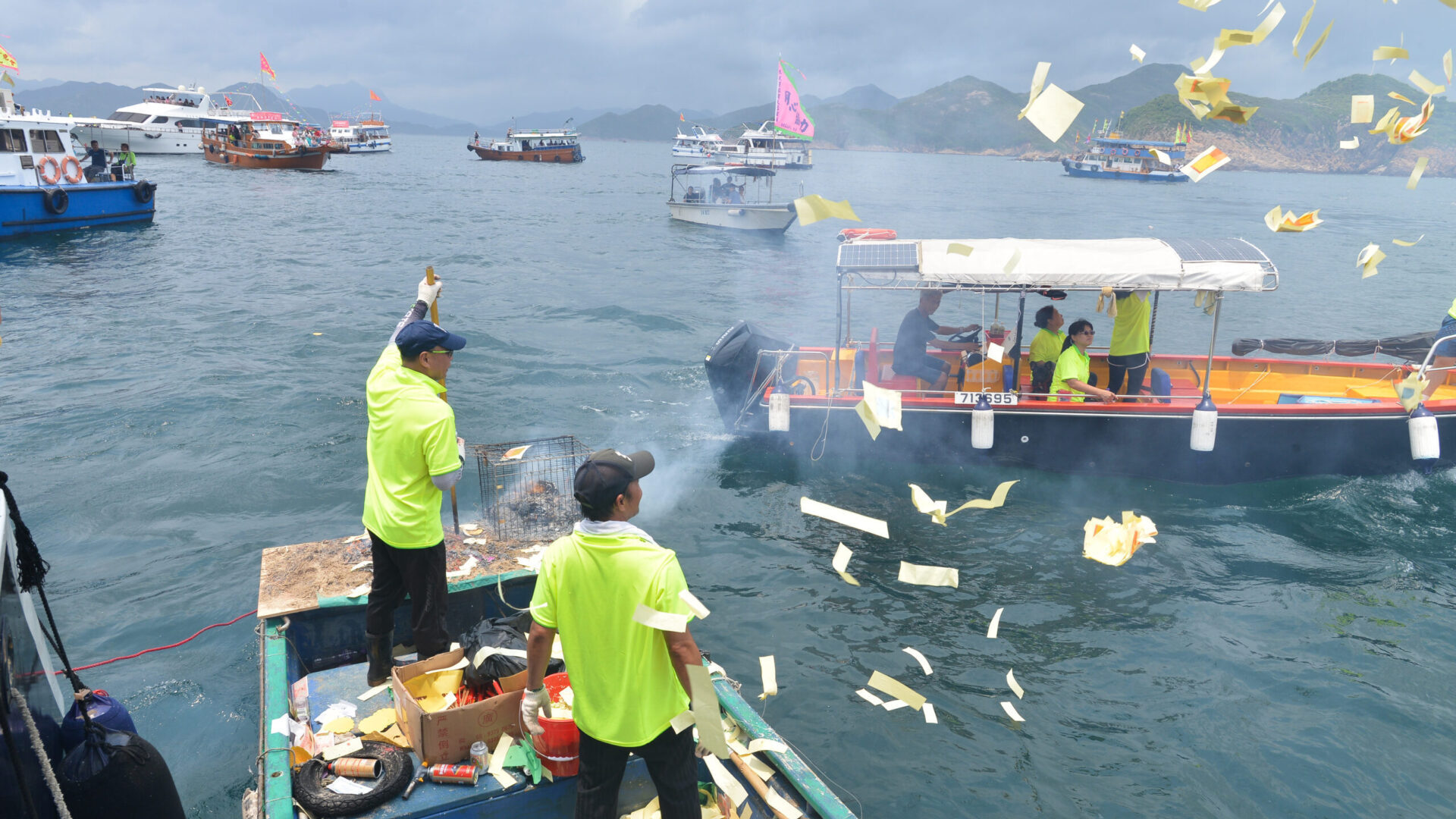
天后出巡是糧船灣天后誕慶典的重頭戲之一。當日,水陸居民會「請神出海」,天后行身坐上「座駕船」,在糧船灣海域一帶巡航,象徵天后巡視海域、庇佑漁民。參與船隻掛滿彩旗,鼓樂齊鳴,氣氛隆重。巡遊結束後,恭迎神像回廟安座,村民齊聚廟前酬神祈福。整個過程不僅展現出宗教傳統,也呈現出以海為家的地方特色。

  • 天后出巡在農曆三月二十二日(正誕之前一天)上午舉行。
  • 由糧船灣居民組成的船隊參與。
  • 太平清醮的一部分,天后座駕船上的師傅會為亡靈誦經超度,祈求「社區平安。
  • 龐大船隊:由半百艘船組成盛大船隊,伴隨天后聖駕出海巡遊。
  • 神聖禁忌:船到之處,閒雜人等需肅靜迴避,其他船隻(包括水警)均禁止在天后船隻前方駛過,以示最高敬意。
  • 鄰近沿海地區的居民與善信也會駕船或乘艇前來觀禮。
  • 居民即使搬離糧船灣,也會回鄉參加或幫忙準備儀式。
糧船灣天后誕 早期相片 b001

Leung Shuen Wan Tin Hau Sea Parade

The Tin Hau Sea Parade is one of the highlights of the Leung Shuen Wan Tin Hau Festival celebration. On this day, the land and water communities “invite the deity to patrol the sea.” The processional statue of Tin Hau is placed aboard the lead vessel (ceremonial boat) to cruise the waters around Leung Shuen Wan, symbolising Tin Hau inspecting the sea and blessing the fishermen. The participating vessels are decorated with colourful flags, accompanied by the sounds of drums and music, creating a solemn and grand atmosphere. After the parade concludes, the statue is respectfully welcomed back to the temple and reinstalled. Villagers gather in front of the temple to offer thanks and pray for blessings. The entire event not only showcases religious traditions but also embodies the unique local character of a community that calls the sea its home.

  • The Tin Hau Sea Parade is held on the morning of the 22nd day of the third lunar month (the day before the main festival).
  • The fleet consists of vessels crewed by residents of Leung Shuen Wan.
  • As part of the Tai Ping Ching Chiu (Purification Ritual), Taoist priests aboard Tin Hau’s lead vessel chant sutras for the salvation of wandering souls, praying for the “peace and safety of the community”.
  • A grand fleet: A magnificent procession of over fifty vessels accompanies the sacred statue of Tin Hau on her sea patrol.
  • Sacred taboos: Wherever the vessels pass, all bystanders must observe silence and keep clear. Other vessels (including Marine Police launches) are prohibited from crossing in front of Tin Hau’s boat as a sign of utmost respect.
  • Residents and devotees from nearby coastal areas also sail or take boats to witness the ceremony.
  • Even residents who have moved away from Leung Shuen Wan return to their hometown to participate in or help prepare for the rituals.
糧船灣天后誕
糧船灣天后誕

船隻與儀仗隊形

  • 主船隊有四艘船:天后娘娘坐在「坐駕船」,前方分別有「第一拖頭」、「第二拖頭」、「第三拖頭」。
  • 其他數十艘船隻跟隨,掛滿旗幟。,上寫「風調雨順」、「國泰民安」等祝詞。
  • 船上有舞獅及漁家舞,並燃放鞭炮營造節慶氣氛。

儀式場景

  • 巡遊期間,整個海面遍佈掛旗船隻,鼓聲與鞭炮聲不絕。
  • 龐大船隊:由半百艘船組成盛大船隊,過千人参與,伴隨天后元君出海巡遊。
  • 居民們在岸邊及船上進行舞獅、舞麒麟、扇子舞及漁家舞表演,並在陸上舉辦扒龍舟活動,現場歡呼聲此起彼落,氣氛熱烈。
  • 天后娘娘回廟後,戲班再上演神功戲,演戲酬神;居民在廟前戲棚用膳。
  • 全程洋溢祈福與感恩氛圍,展示漁村傳統延續。
  • 巡遊期間,整個海面遍佈掛旗船隻,鼓聲與鞭炮聲不絕。
  • 龐大船隊:由半百艘船組成盛大船隊,過千人参與,伴隨天后元君出海巡遊。
  • 居民們在岸邊及船上進行舞獅、舞麒麟、扇子舞及漁家舞表演,並在陸上舉辦扒龍舟活動,現場歡呼聲此起彼落,氣氛熱烈。
  • 天后娘娘回廟後,戲班再上演神功戲,演戲酬神;居民在廟前戲棚用膳。
  • 全程洋溢祈福與感恩氛圍,展示漁村傳統延續。

Boats and Procession Formation

  • The main fleet consists of four vessels: Tin Hau (Goddess of the Sea) is seated in the “lead vessel (ceremonial boat)”, preceded by the “First Tugboat”, “Second Tugboat”, and “Third Tugboat” respectivey.
  • Dozens of other vessels follow, decorated with flags inscribed with auspicious phrases such as “Fung Tiu Shun Yu” (favourable weather) and “Kwok Tai Man On” (peace and prosperity) .
  • Onboard, there are lion dances and fishing folk dances, and firecrackers are set off to create a festive atmosphere .

Ceremonial Atmosphere

  • During the parade, the entire sea surface is dotted with flag-decorated vessels, accompanied by the ceaseless sounds of drums and firecrackers.
  • A grand fleet: A magnificent procession of over fifty vessels, with more than a thousand participants, accompanies Tin Hau (Goddess of the Sea) on her sea patrol.
  • Residents perform lion dances, Hakka unicorn dances, fan dances, and fishing folk dances both on the shore and aboard the vessels. Dragon boat rowing is also held on land, with cheers rising one after another, creating a lively and enthusiastic atmosphere.
  • After Tin Hau returns to the temple, the opera troupe performs ritual Cantonese opera as an offering to the goddess; the residents dine in the temporary theatre shed in front of the temple. 
  • The entire event is imbued with an atmosphere of prayer and gratitude, showcasing the continuity of the fishing village’s traditions.

流程簡介 Timeline

出海巡遊前,需擲聖杯請示天后娘娘出巡時間,獲得聖意批准後方能啟程。

啟程: 出海巡遊前,需擲聖杯請示天后娘娘出巡時間,獲得聖意批准後方能啟程。

請神與準備:工作人員會為神輿簪花掛紅,並掛上薑和碌柚葉等辟邪驅穢之物。

潔淨之道:

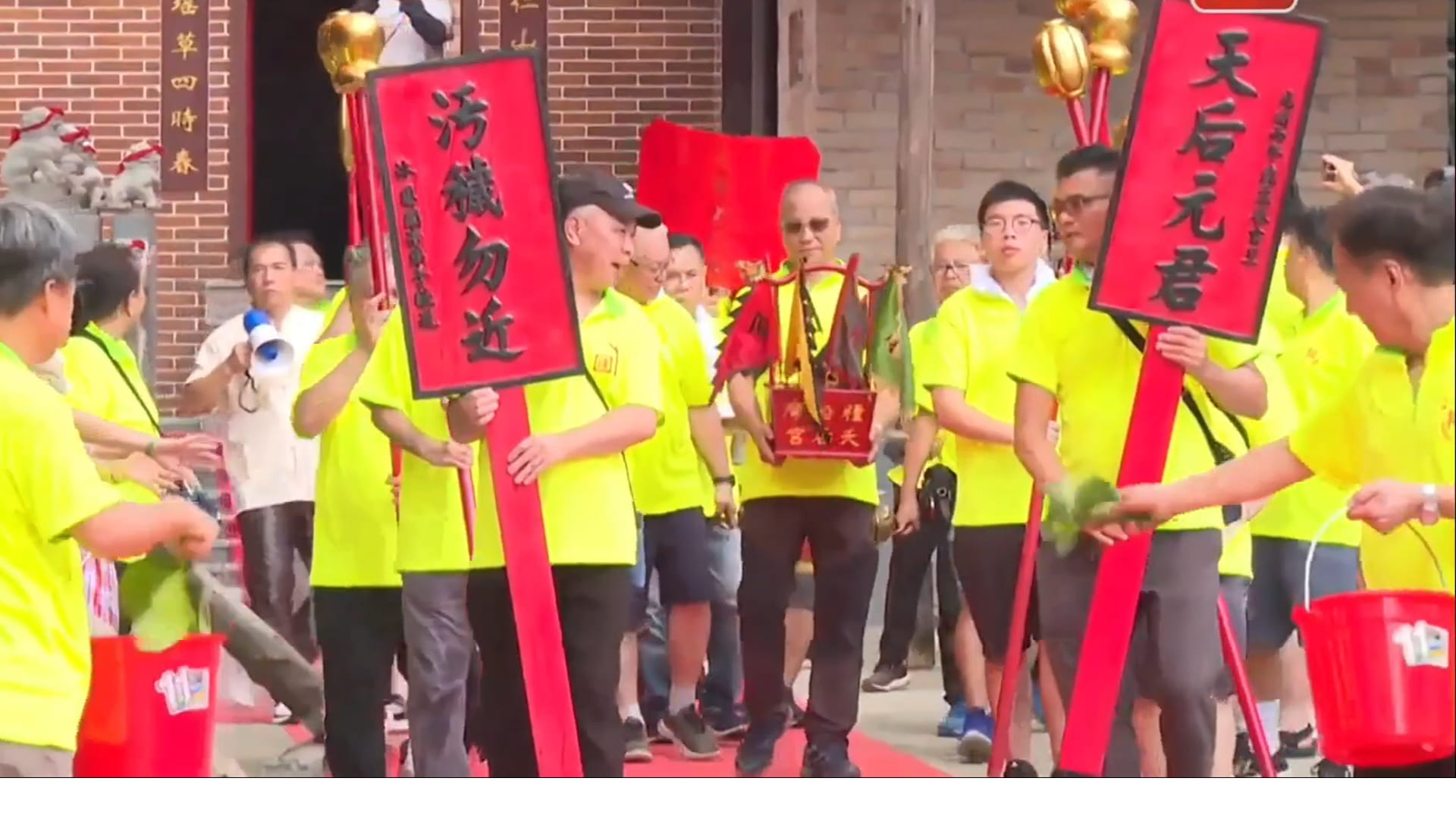
  • 天后娘娘所經之路,均會鋪上紅地毯並進行清潔,禁止他人隨意踏足。
  • 戲班先上演賀壽、加官、送子,亦有醒獅、麒麟助興。
  • 「緣首」將天后的「行身」請出廟外,安放在神輿上。
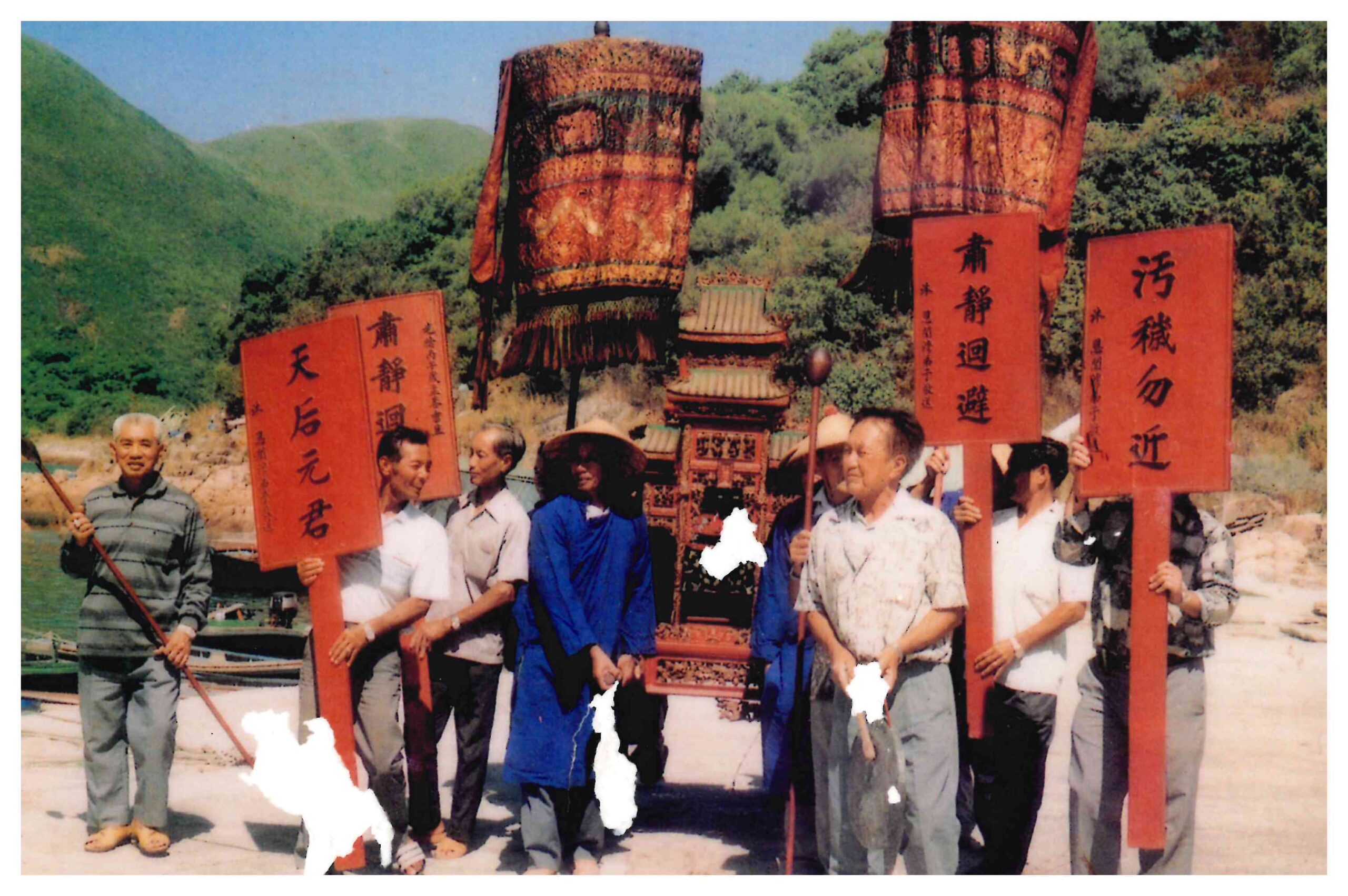
  • 兩旁有人撐起羅傘,喃嘸先生跟隨其後,一邊誦經,同時有人敲鑼擊鼓,拿著「天后元君」、「污穢勿近」、「肅靜迴避」等「巡牌」。

巡遊路線:船隊會護送天后前往伙頭墳洲和火石洲之間的海域,此為昔日糧船灣漁民出海捕魚的路線。

意義:超度孤魂及視察海面

  • 「坐駕船」的船頭會豎立「大士王」,用以監察前來接受施捨的孤魂野鬼。
  • 天后座駕船上的師傅會為亡靈誦經超度,祈求「陰安陽樂」,社區平安。
  • 在海域中撒下冥鏹、飯菜,並放下紙船供海上孤魂乘坐。

回程:在海上擲聖杯,需擲聖杯請示天后娘娘回程時間。

  • 天后娘娘回到糧船灣,戲班再上演賀壽、加官、送子,醒獅表演、漁家舞表演。

Inviting the Deity and Preparations:

  • Staff members decorate the sacred sedan chair with flowers and red ribbons, and hang items such as ginger and pomelo leaves to ward off evil spirits and cleanse impurities.
  • The Path of Purification: The entire route that Tin Hau (Goddess of the Sea) will pass is covered with red carpets and cleansed. Others are strictly prohibited from stepping on these areas.
  • The opera troupe first performs birthday blessing plays, promotion-themed pieces, and child-bestowing operas, accompanied by lively lion and unicorn dances to add to the festivity.
  • The ten “Yuen Sau (Ritual Leaders)” reverently invite the processional statue of Tin Hau out of the temple and place it onto the sacred sedan chair.
  • On both sides, people hold up ceremonial umbrellas, with Taoist priests (nam mo masters) following behind, chanting sutras. At the same time, some beat gongs and drums while carrying patrol placards inscribed with phrases such as “Tin Hau Yun Kwan” (Goddess of the Sea), “Impurities Keep Away”, and “Silence and Respect”.
  • Procession Route: The fleet escorts Tin Hau to the waters between Fo Tau Fan Chau and Fo Shek Chau, which follows the route that fishermen from Leung Shuen Wan historically took when going out to sea.

Significance: Liberating wandering souls and inspecting the sea

  • The bow of the “lead vessel (ceremonial boat)” displays an effigy of the “King of Ghosts” (Tai Si Wong), which oversees the wandering spirits coming to receive offerings.
  • Taoist priests (nam mo masters) aboard Tin Hau’s vessel chant sutras to liberate the souls of the departed, praying for “peace for both the spirits and the living” and the well-being of the community.
  • Spirit money, rice, and vegetables are scattered into the sea, and paper boats are released for the wandering souls at sea to ride.
  • Return Journey: Moon blocks (poe) are cast at sea to seek Tin Hau’s instructions regarding the return time.
  • Upon Tin Hau’s return to Leung Shuen Wan, the opera troupe performs birthday blessing plays, promotion-themed pieces, and child-bestowing operas, accompanied by lion dance performances and fishing folk dances.