
糧船灣社群
High Island Community
簡介
Introduction
糧船灣過去以水上人(漁民)及客家人為主要居民。客家人居於岸上,務農維生。水上人多以船為家,靠近岸邊進行捕魚與交易。村內家庭以親族聯繫緊密,互助為主。漁民的日常包括出海捕魚、曬魚乾、修補漁網等。水上人亦有獨特的語言口音(水話)與生活習慣。隨着漁業式微,大多居民遷離,但每逢天后誕仍會回來參與祭典,維繫社群情感與傳統。
In the past, the main residents of Leung Shuen Wan were the boat dwellers (fishermen) and the Hakka people. The Hakka lived onshore and made a living through farming. The boat dwellers largely lived on their vessels, fishing and trading near the shore. Families in the villages were bound by close kinship ties and a strong tradition of mutual aid. The daily lives of fishermen included going out to sea to catch fish, drying fish in the sun, and mending fishing nets. The boat dwellers also had a distinct linguistic accent (known as “Shui Wah” or boat dwellers’ speech) and their own unique customs .
As the fishing industry declined, most residents moved away. However, every year during the Tin Hau Festival, they return to participate in the celebrations, maintaining their community bonds and preserving their traditions.
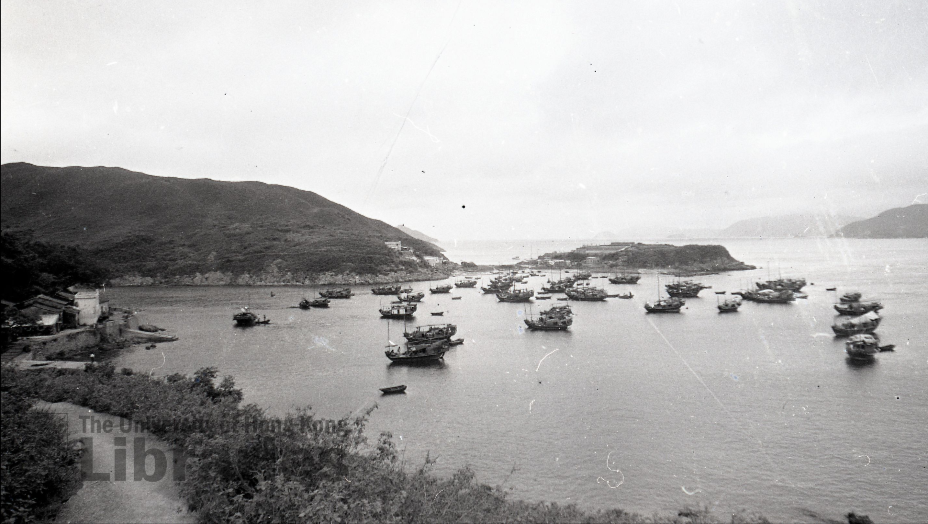
70年代,糧船灣的漁民以捕魚為主,養殖漁業只是其副業。多數漁民仍居於作業的船上。1973年糧船灣上仍滿佈作業的漁船。漁民人數過千。
In the 1970s, fishermen in Leung Shuen Wan were primarily engaged in fishing, with fish farming only serving as a supplementary activity. Most fishermen still lived on their working boats. In 1973, the waters of Leung Shuen Wan were still densely occupied by fishing vessels. The number of fishermen exceeded one thousand.
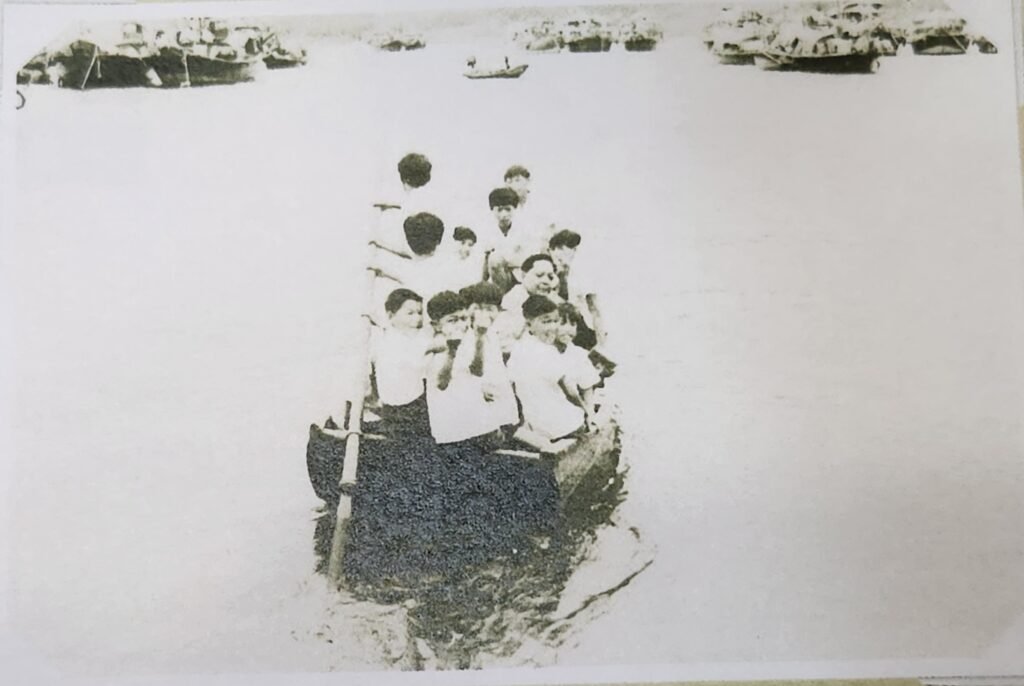
1973年學生以船艇往來於住家艇學校之間。艇中的長者為積極鼓勵漁民子弟入學的葉特武校長。
In 1973, students travelled by sampan between their residential boats and the school. The elder seated in the boat was Principal Ip Tak-mo, who actively encouraged the children of fishermen to attend school.
早期居民背景
Early Residents
在昔日的糧船灣在漁船上的水上人,以及名為沙橋的漁民村,加上北丫、東丫和白腊三條客家村,形成「五大族群」。全盛時期漁民數目過千,過百艘漁船在本灣停靠,漁獲可賣至內地。漁船便是水上人的家。水上人以船為家,日出而作,撒網捕魚;日落時分,將魚曬在甲板上,再與沿岸商販做交易。由於長年以海為伴,他們與陸上居民往來不多,逐漸形成了獨特的水上社群。這些家庭之間血脈相連、情誼深厚,彼此在風浪中相扶相助,以海為生,也以海為根。糧船灣水上人姓氏包括:何、盧、郭、鄭、馬、張……
In the early days of Leung Shuen Wan, the boat dwellers living on their fishing vessels, together with the fishing village of Sha Kiu and the three Hakka villages of Pak A, Tung A, and Pak Lap, formed the “five communities”. At its peak, there were over a thousand fishermen, with more than a hundred fishing boats moored in the bay, and their catch was sold as far as mainland China. Fishing boats were the homes of the boat dwellers. Living on their vessels, they rose at dawn to cast their nets; at sunset, they would dry their catch on the decks and trade with coastal merchants. Having lived their entire lives at sea, they had limited interaction with land-based residents, gradually forming a distinct maritime community. These families were bound by blood and deep kinship, supporting one another through the perils of the sea. They lived by the sea and were rooted in it. The surnames of the boat dwellers in Leung Shuen Wan include Ho, Lo, Kwok, Cheng, Ma, Cheung…
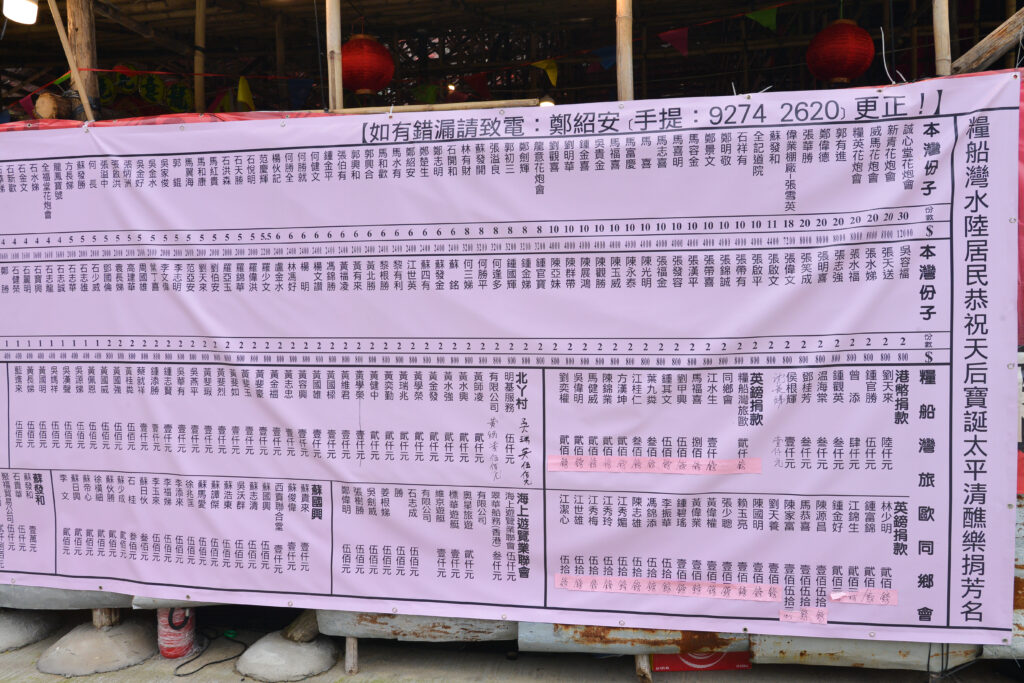
在天后誕的捐款名單中,可見到「本灣份子」的名單,這些人士即為糧船灣的居民,其中以水上人為主。
In the donation list for the Tin Hau Festival, the names of “local members (bun wan fan chi)” can be found. These individuals are residents of Leung Shuen Wan, the majority of whom are boat dwellers.
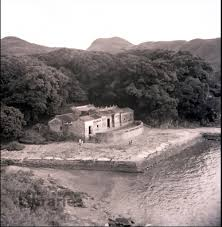
生活習慣與水上人語言
Daily Life & Language of the Boat People
每天清晨,漁民們迎著微光出海撒網,船槳拍打著海面,節奏彷彿與浪花同息。到了午後,他們滿載魚獲歸來,在甲板上清理漁網、晾曬魚乾,空氣中瀰漫著魚的味道。水上家庭以木船為家,雖然空間狹小,卻井然有序,生活所需多由自己打理,形成一種自給自足的節奏。這些水上人講的語言,是廣東話的一個分支,被稱作「水話/漁民話」,音調特別、詞彙獨特,聽來帶著海風的韻味。他們常用的詞語亦充滿生活氣息,如「開頭」代表出海捕魚,「埋街」意指上岸,簡短的話語中流露出海上生活的智慧與律動。昔要「埋街」打井水。學童於「糧船灣公立學校」上學,只有高年班和低年班兩班,上學途中可能要去「開身」。糧船灣水上人和其他地方水上人通婚,如西貢市、布袋澳、滘西、筲箕灣、白沙灣等。
Every morning at dawn, fishermen set out to sea, casting their nets as their oars rhythmically stroke the water in harmony with the waves. By afternoon, they return with their catch, cleaning their nets and drying fish on the decks, filling the air with the scent of the sea. Boat-dwelling families lived on their wooden vessels. Though space was cramped, it was orderly, and they managed most of their daily necessities themselves, establishing a rhythm of self-sufficiency.
The language spoken by these boat dwellers is a branch of Cantonese, known as “Shui Wah” (Boat Dwellers’ Speech) or “Fisherfolk Dialect”. Its unique tones and vocabulary carry the rhythm of life at sea. Common expressions are imbued with their way of life: “hoi tau” (setting out to sea to fish) and “maai gaai” (going ashore) are simple phrases that reveal the wisdom and cadence of their maritime existence. In the past, they would go ashore to fetch well water. Children attended the Leung Shuen Wan Public School, which had only two classes—upper and lower grades. On their way to school, they might have to help with “hoi san” (going out to sea). The boat dwellers of Leung Shuen Wan intermarried with those from other fishing communities, including Sai Kung Town, Po Toi O, Kau Sai, Shau Kei Wan, and Pak Sha Wan.
節日與信仰生活
Festivals and Religious Life
- 天后信仰是糧船灣社群的宗教核心。
- 每家每戶的漁船上都有天后娘娘神像, 祈求出海平安、風調雨順、魚蝦大信。
- 每年天后誕是本灣最重要的節慶,水陸居民無論身在何方都會回來參加。
- 天后誕是糧船灣年度盛事。
- 每逢天后誕前,漁民們都會回到糧船灣,然後進行「洗艇」,暫停數天的生計,全程投入參與天后誕。
- 平日亦有祭海、拜天后、祈求風調雨順。
- 此類儀式加強村民對天后的尊敬與社群凝聚力。
- Tin Hau worship is the religious core of the Leung Shuen Wan community.
o Every fishing boat in each household has a statue of Tin Hau (Goddess of the Sea), as they pray for safety at sea, favourable weather, and a bountiful catch. - The annual Tin Hau Festival is the most important celebration for the local community. Land and water residents, no matter where they are, will return to participate.
- The Tin Hau Festival is the grand annual event in Leung Shuen Wan.
- Every year before the Tin Hau Festival, fishermen return to Leung Shuen Wan to perform the “boat cleaning” ritual. They pause their livelihoods for several days to fully dedicate themselves to the Tin Hau Festival celebrations.
- On ordinary days, rituals such as sea prayers and worshipping Tin Hau are also performed to pray for favourable weather.
- These kinds of rituals strengthen the villagers’ reverence for Tin Hau and enhance community cohesion.
昔日糧船灣天后誕
In the early days of the Leung Shuen Wan Tin Hau Festival
- 未填海前,戲棚搭在海上。
- 最早時期聘請省港澳粵劇「紅船班」。
- 曾在糧船灣演出的粵劇老倌:麥炳榮、羽佳、龍貫天、蓋鳴暉、李龍、阮兆輝、梁兆明、吳仟峰、梁漢威、藍天佑、謝雪心、鳳凰女、尹飛燕、吳美英、王超群、陳咏儀、鄭雅琪…
- 每逢天后誕前夕,必有連場大雨,此現象被居民趣稱為「洗地」,寓意潔淨大地,恭迎天后誕。
- 以爆竹進行搶花炮
- 出后出巡時以漁船為多
- 不同地方的漁民也會來糧船灣賀誕,如南丫島、香港仔、筲箕灣、爛泥灣(萬宜灣)、沙角尾
- Before land reclamation, the bamboo theatre was erected over the sea.
- In the earliest period, Cantonese opera “Red Junk Troupes” from Guangdong, Hong Kong, and Macau were hired to perform.
- Notable Cantonese opera artists who have performed in Leung Shuen Wan include: Mak Bing-wing, Yu Kai, Lung Koon-tin, Koi Ming-fai, Li Lung, Yuen Siu-fai, Leung Siu-ming, Ng Tsin-fung, Leung Hon-wai, Lam Tin-yau, Tse Suet-sum, Fung Wong-lui, Wan Fai-yin, Ng Mei-ying, Wong Chiu-kwan, Chan Wing-yee, Cheng Nga-ki…
- Every year on the eve of the Tin Hau Festival, there is invariably a heavy downpour. The locals humorously call this phenomenon “washing the ground” (sai dei), symbolising the cleansing of the earth in welcome of the Tin Hau Festival.
- In the past, the Fa Pao (festive prize) was contested for using firecrackers.
- During the Tin Hau Sea Parade, fishing boats were predominantly used.
- Fishermen from different places would also come to Leung Shuen Wan to celebrate the festival, such as those from Lamma Island, Aberdeen, Shau Kei Wan, Lan Nai Wan (Man Yee Wan), and Sha Kok Mei.
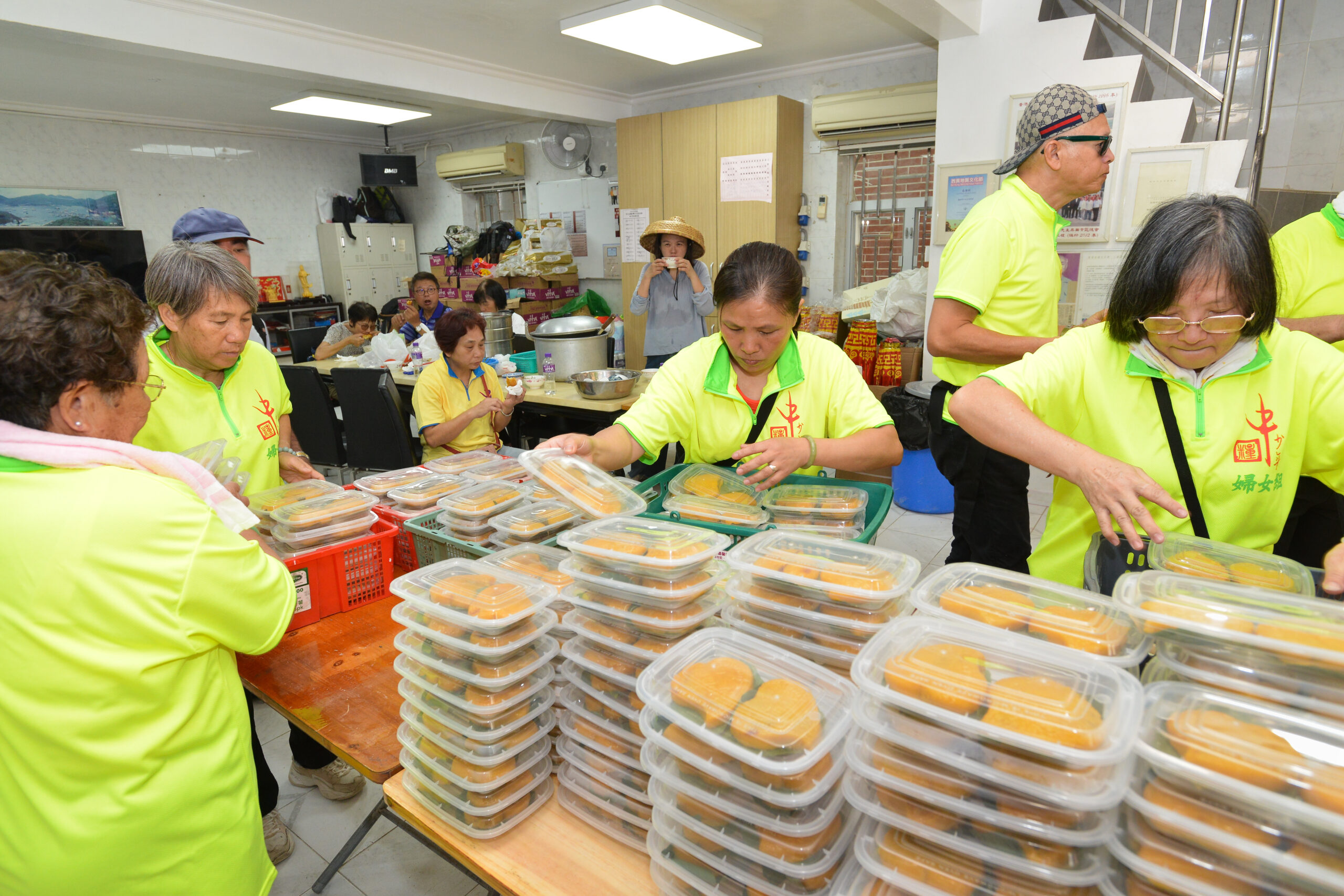
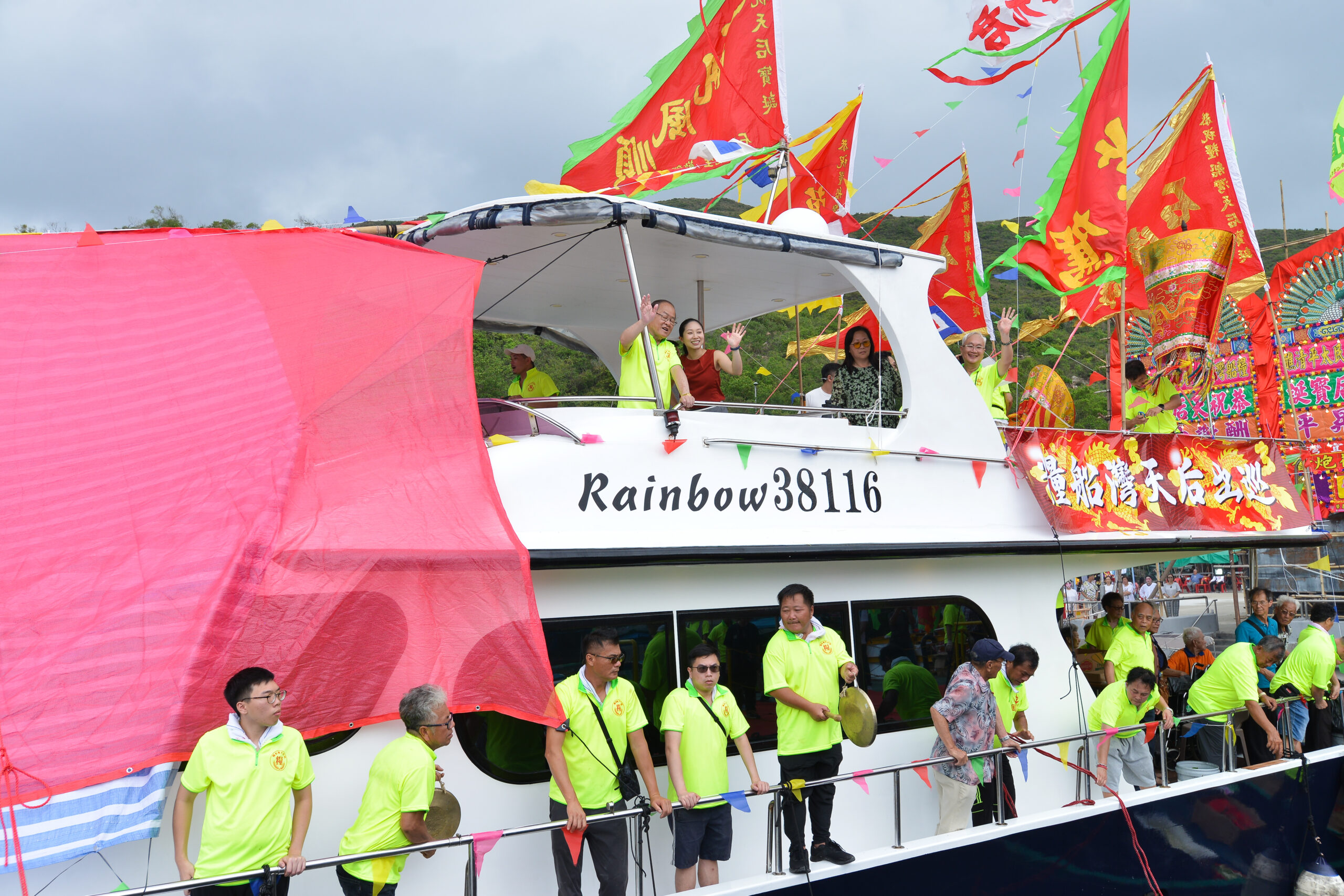
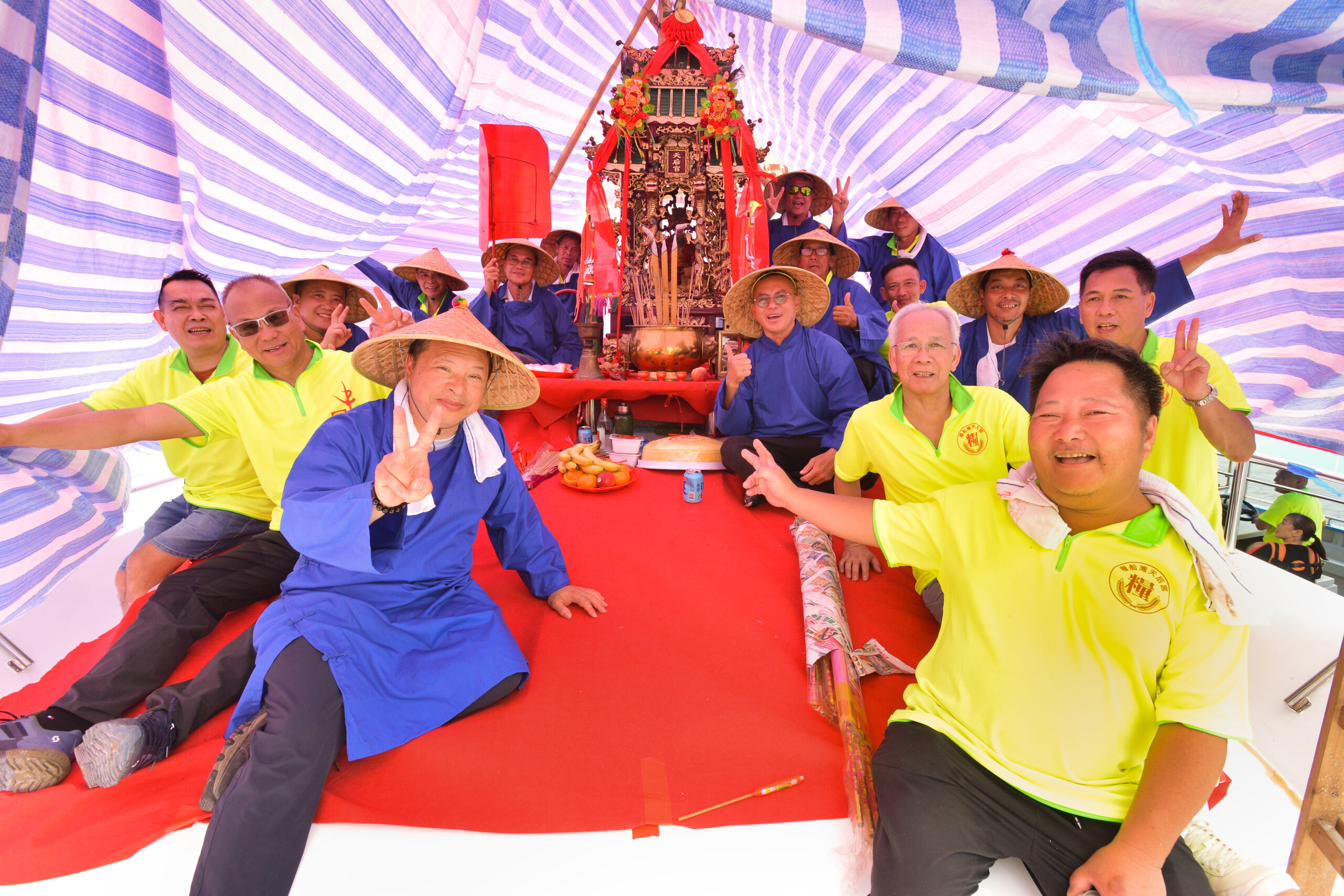
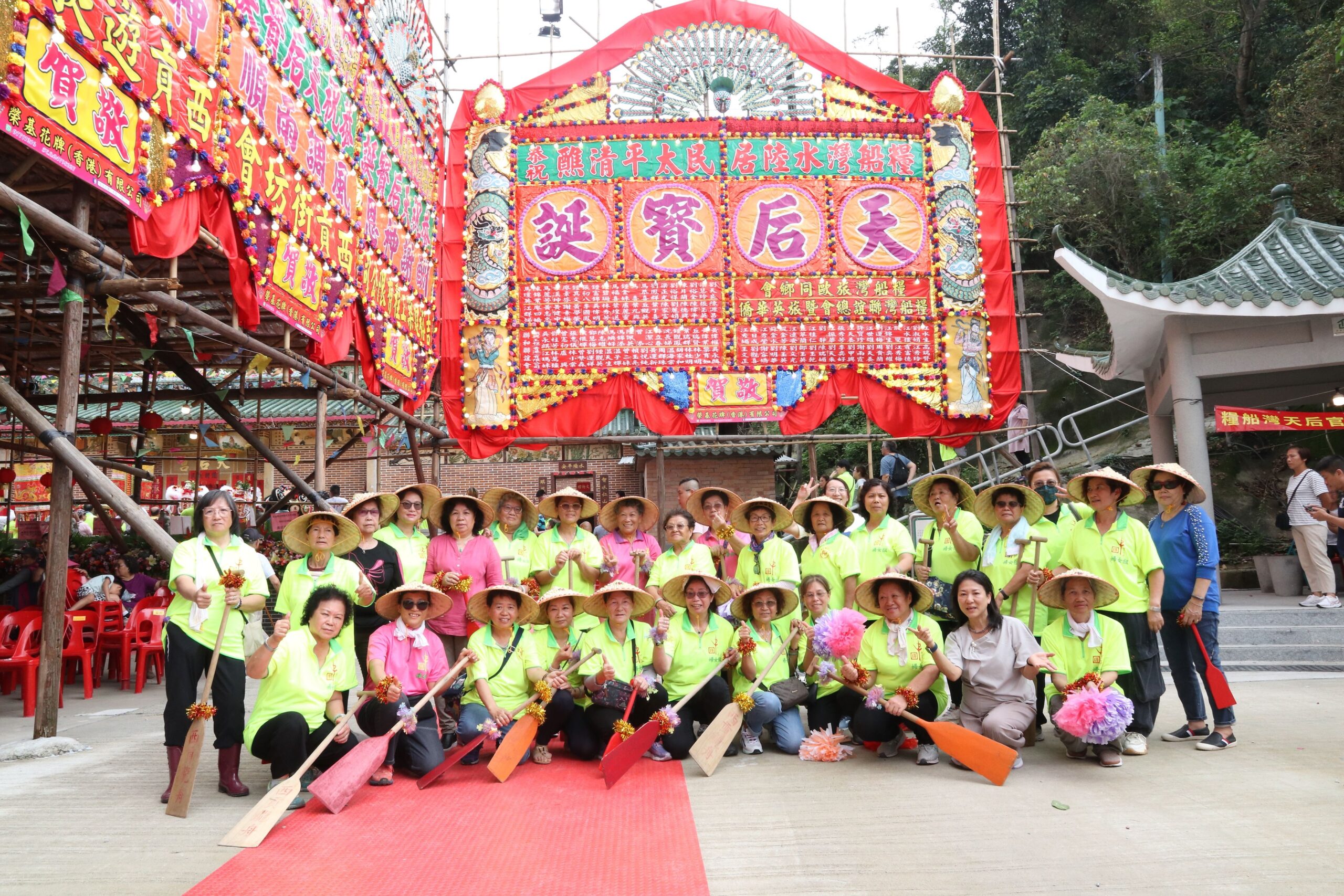
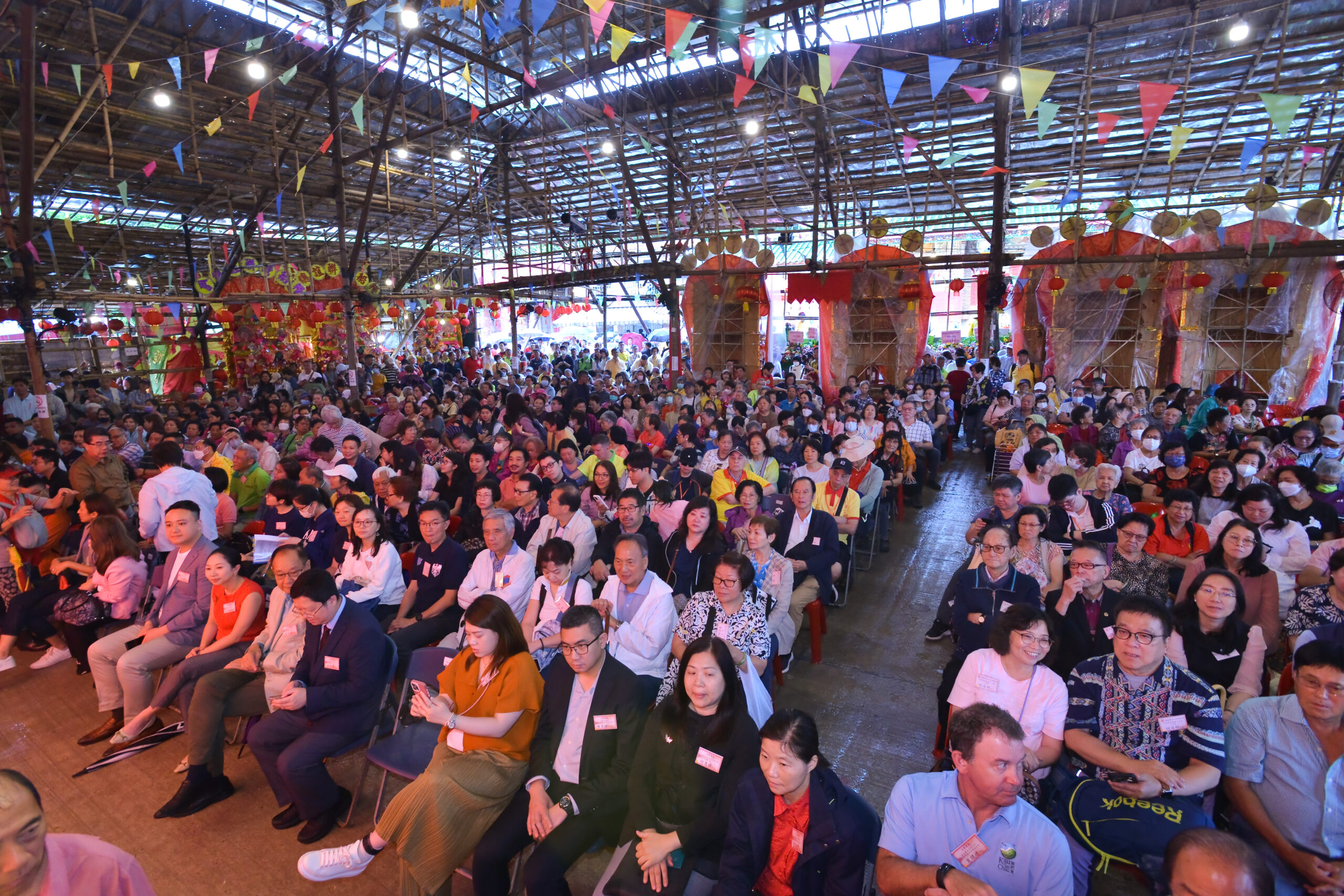
文化內涵:社區群體意識、族群文化的建立:
天后誕不只是宗教活動,更是凝聚社區的慶典。
社會學中功能主義理論,顯性功能:為神做功德,酬謝神恩,慶祝寶誕。隱性功能:建立社群的凝聚力。
糧船灣居民皆重視天后誕,甚至比過年還重視。聚居在此的年代,如上世紀,所有人都會放下手上一切的工作,慷慨解囊,捐出香油善款。
在「大屆」,四天全島居民齋戒,不捕魚,投入籌備。如準備盆菜、準備齋宴、任緣首、準備天后出巡時的船隻。團結合作,盡己之力。
世俗活動,交流機會,團結社區:坐在戲棚「睇大戲」,搶/抽花炮、分豬肉、分紅雞蛋、吃盆菜宴、競投。神功戲是傳統鄉村的重要娛樂。
在無手機、電視的年代,娛樂表演就是神功戲,「埋街睇大戲」。
時移世易大多居民搬離,甚至移居海外,神功戲也不再是唯一的娛樂。但每逢天后誕,散居他方的居民都重回故土,聚首一堂。能讓鄉民重新聚首,重拾身份,為神作功德。
Cultural Significance: The Establishment of Community Identity and Ethnic Culture
Cultural Significance: The Establishment of Community Identity and Ethnic Culture
The Tin Hau Festival is not merely a religious event; it is a celebration that unites the community.
According to functionalist theory in sociology, the manifest functions include performing meritorious deeds for the deities, expressing gratitude for divine blessings, and celebrating the goddess’s birthday. The latent functions lie in building community cohesion.
Residents of Leung Shuen Wan greatly value the Tin Hau Festival, even more than the Lunar New Year. During the era when they lived together in this area, such as in the last century, everyone would set aside all their work, generously contributing donations and incense money.
During the “Big Festival,” all island residents observe a vegetarian diet for four days, refraining from fishing and dedicating themselves to preparations. These include preparing Poon Choi, organising the vegetarian feast, serving as Yuen Sau (Ritual Leaders), and arranging vessels for the Tin Hau Sea Parade. They work together in unity, each contributing their utmost.
Secular Activities, Opportunities for Interaction, and Community Solidarity:
Gathering in the bamboo theatre to “watch Cantonese opera,” competing in or drawing lots for the Fa Pao (festive prize), distributing pork, sharing red-dyed eggs, enjoying Poon Choi feasts, and participating in auctions. Ritual Cantonese opera performances were a vital form of entertainment in traditional villages.
In an era without mobile phones or television, these ritual opera performances were the primary entertainment, known as “going ashore to watch the big operas.”
Times have changed, and most residents have moved away, some even emigrating overseas. Ritual opera is no longer their sole form of entertainment. However, every year during the Tin Hau Festival, villagers dispersed far and wide
return to their homeland, gathering together once more. This allows fellow villagers to reunite, reconnect with their identity, and perform meritorious deeds for the deities.
近況與變遷
Recent Developments and Changes
- 隨着香港漁業衰退,許多村民於20世紀後期遷往城市工作。
- 現時常住人口減少,但漁排及村屋仍保留。
- 每逢天后誕,居民與遊客回來參與慶祝,使該地成為保留漁村文化的重要地點。
- 糧船灣已由漁業聚落轉型為具文化觀光及教育價值的地點。
- With the decline of Hong Kong’s fishing industry, many villagers moved to urban areas for work in the late 20th century.
- Although the permanent resident population has decreased, the fish farms on rafts and village houses have been preserved.
- Every year during the Tin Hau Festival, both residents and visitors return to participate in the celebrations, making this place an important site for preserving fishing village culture.
- Leung Shuen Wan has transformed from a fishing settlement into a location of cultural tourism and educational value.
水上人水話的特色與文化意義
The Unique Language of the Tanka Boat People
水話,又稱「漁民話」,是中國南方水上人——蜑家人(Tanka)所使用的語言,主要分佈於廣東、香港、澳門及廣西等沿海地區。這種語言源自古代嶺南方言,與廣東話同屬粵語系,但音韻、詞彙及語調上皆自成一格。由於水上人長期以船為家、海為生,他們的語言深受航海生活影響,常有與捕魚、潮汐及天氣相關的特殊詞語。例如「開頭」意指啟航、「埋頭」意指捕魚歸來、「埋街」意指上岸。水話帶有明顯的海邊方言韻味,節奏隨口語生活而走。更有「鹹水歌」、「嘆歌」。由於過去水上人社群封閉,他們的語言成為身份與文化的標誌。即使今日水上人後代上岸後,水話的口音已經逐漸消失,但水話仍被視為珍貴的非物質文化遺產,承載著一段與海共生的歷史記憶與族群認同。
Shui Wah (Boat Dwellers’ Speech)
Shui Wah, also known as “Fisherfolk Dialect”, is the language spoken by the boat dwellers (Tanka people) in southern China, primarily distributed along the coastal regions of Guangdong, Hong Kong, Macau, and Guangxi. This language originates from ancient Lingnan dialects and belongs to the Yue Chinese branch, sharing the same linguistic family as Cantonese. However, its phonology, vocabulary, and tones have developed distinct characteristics.
Due to the boat dwellers’ long history of living on vessels and making a living from the sea, their language has been deeply influenced by maritime life, featuring specialised vocabulary related to fishing, tides, and weather. For example, “hoi tau” means setting sail, “maai tau” means returning from fishing, and “maai gaai” means going ashore . Shui Wah carries a distinct coastal dialect flavour, with rhythms that follow the cadence of spoken daily life. It also includes unique folk song traditions such as “Haam Seui Go” (Saltwater Songs) and “Taam Go” (Lament Songs).
In the past, due to the relative isolation of the boat dweller community, their language became a marker of identity and culture. Even though most descendants of boat dwellers have settled on land and the Shui Wah accent is gradually disappearing, the language is still regarded as a valuable intangible cultural heritage, carrying the historical memory and ethnic identity of a people who lived in harmony with the sea.